
NEW DELHI — Silver’s seven-week rally met a wall on Raksha Bandhan. Spot silver across Indian cities shed ₹18,000 per kilogram in a single session — dropping from ₹2,60,000 on Thursday to ₹2,42,000 on Friday morning — as festival-season profit-booking unwound positions that had built steadily since the first week of July.
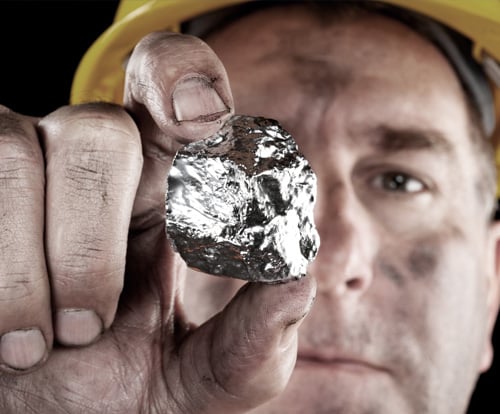
At ₹242 per gram, the metal is still up nearly 20% in August alone and 74% year on year. The question for anyone buying jewelry or bullion today is whether that ₹18,000 correction marks a local ceiling or a brief pause in a structural rally the Silver Institute says is backed by a 67-million-ounce supply deficit in 2026.
MCX August futures settled near ₹2.41 lakh per kilogram as of Friday morning, closely tracking the spot sell-off, as listed by the exchange. On international markets, COMEX silver slipped 0.37% to approximately $69 per troy ounce overnight — extending a mild pullback from Thursday’s highs and keeping the metal’s monthly gain just under 20%, the strongest single-month performance since early 2025.
| City | Per Gram | Per Kg | Change |
|---|---|---|---|
| Delhi | ₹242 | ₹2,42,000 | −₹18,000 |
| Mumbai | ₹242 | ₹2,42,000 | −₹18,000 |
| Hyderabad | ₹242 | ₹2,42,000 | −₹18,000 |
| Chennai | ₹242 | ₹2,42,000 | −₹18,000 |
| Bengaluru | ₹242 | ₹2,42,000 | −₹18,000 |
| Kolkata | ₹242 | ₹2,42,000 | −₹18,000 |
| Jaipur | ₹242 | ₹2,42,000 | −₹18,000 |
| Pune | ₹242 | ₹2,42,000 | −₹18,000 |
| Source: India Bullion and Jewellers Association (IBJA) / MCX. Prices as of August 28, 2026 morning session. | |||
The correction does not change the underlying supply picture. The Silver Institute estimated a global silver supply deficit of approximately 67 million ounces in 2026, driven by manufacturing demand that has outpaced mine production for three consecutive years. Solar panel installations, electric vehicle components, and high-frequency circuit boards for AI data centres have collectively pushed industrial consumption to levels primary silver mines cannot match at current output rates. The India Bullion and Jewellers Association, which sets benchmark rates for the country’s dealer network, has not issued a formal comment on today’s movement.
Safe-haven demand has also contributed to silver’s year-long run. Ongoing tensions around the Strait of Hormuz — where Iran has signaled potential restrictions on commercial shipping lanes, as detailed in Eastern Herald’s coverage of Tehran’s diplomatic signaling — have kept commodity traders defensive on energy and precious-metals exposure. That geopolitical floor has not disappeared today; Friday’s sell-off appears technical rather than structural, driven by profit-booking ahead of a long festival weekend rather than any shift in fundamentals.

For festival buyers today, the ₹18,000 drop represents a window. Raksha Bandhan silverware and gifting traditionally see elevated demand through the weekend, and the dealer network is reporting steady footfall at adjusted prices. Whether that buyer interest is sufficient to pull spot back toward ₹2,50,000 before Monday’s open is an open question. The festival effect has historically compressed demand into a narrow window before prices recover, but this year’s starting level — nearly three-quarters higher than a year ago — introduces uncertainty that previous Raksha Bandhan cycles did not carry.
The month’s gains — roughly $11 per ounce in international terms, or nearly ₹40,000 per kilogram in rupee terms — have drawn buying interest from both retail jewelers and institutional commodity desks. Gold prices in Delhi are also lower Friday for the same reasons: festival-day profit-booking across the precious metals complex. But silver’s structural argument — anchored in industrial demand from sectors growing faster than the broader economy — is less dependent on safe-haven sentiment than gold is. That distinction matters when positioning beyond today’s single session.
The Silver Institute’s 2026 deficit forecast implies that any recovery in mine supply would require years to close the gap, even at elevated price levels. New primary silver mines require between seven and twelve years from discovery to production at scale. Recycling and scrap supply absorbs some demand at higher price levels, but analysts tracking above-ground stockpiles privately note that drawdowns are running ahead of official estimates. The methodology behind those estimates — and the credibility of dissenting views — is not publicly adjudicated in real time.
What the market cannot tell buyers today is whether ₹2,42,000 is a floor or a waystation. That depends on data that does not exist yet: Friday’s U.S. jobs report, next week’s Fed commentary, and whether domestic buying demand on Raksha Bandhan carries into the weekend or exhausts itself before Monday morning.