NASHVILLE — The first word Tennessee says to the world has always been a terminal. From the arrivals hall of Nashville International Airport, some 25 million travelers a year collect their bags and step into the Tennessee light. Governor Bill Lee wants that terminal to carry a new name. What stands between the proposal and the nameplate is a rule that says the dead must wait two years to be honored in concrete and signage.
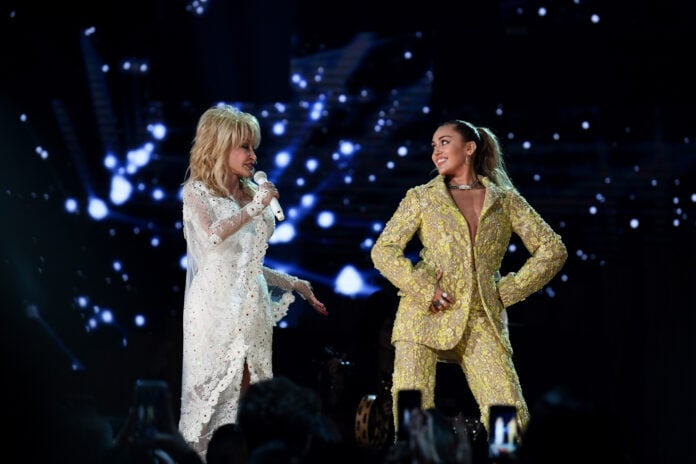
Lee announced the renaming proposal on Friday, three days after Parton died at 80 at her home outside Nashville. The country music icon — who wrote “Jolene” and “9 to 5,” distributed more than 200 million books to children through her Imagination Library, and built Dollywood into one of Tennessee’s most-visited destinations — died Tuesday from cancer, her nephew Bryan Seaver confirmed. She had spent more than six decades insisting she was “just a simple girl from the mountains” while building one of the most durable commercial and philanthropic operations in American entertainment.
“At a place where Tennessee welcomes the world,” Lee said Friday, “it is fitting that Nashville International Airport would bear the name of our state’s favorite daughter and greet travelers with the enduring legacy of Dolly’s music, generosity, faith, and kindness.”
The Metro Nashville Airport Authority will take up the proposal at its September 17 meeting, according to CBS News, which first reported Lee’s statement. Between now and that date lies the policy obstacle: current naming rules at the Authority require that honorees be deceased for at least two years before airport facilities can be renamed in their memory. The provision exists to let public sentiment prove itself — to distinguish enduring legacy from the initial wave of grief that follows any famous death.
The problem for that logic in this case is that the petition began before Parton was gone. Over 157,000 signatures had accumulated while she was still alive, sustained by the straightforward argument that no living Tennessean better embodied the state’s identity to the outside world. In the hours after her death was confirmed Tuesday night, tens of thousands of additional signatories joined. By Friday, the total had climbed further still.
Tennessee state Representative Todd Warner had already backed the renaming publicly before Parton’s death. Singer Sheryl Crow, who knew Parton and shared stages with her across four decades, added her voice to the calls in the days that followed. Neither of those endorsements carries a formal vote. The Airport Authority meeting does.
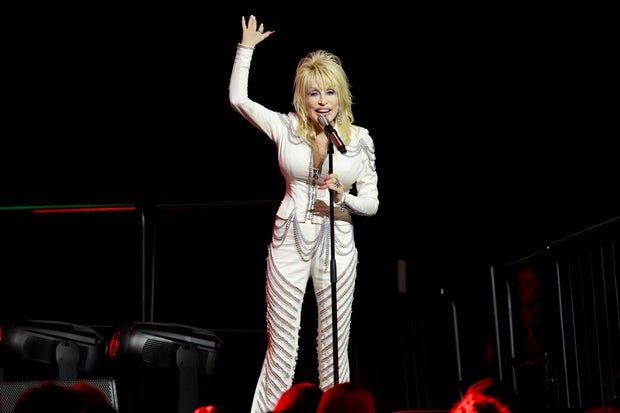
What is not yet publicly resolved is whether the Authority can waive the two-year requirement — or whether it would need to amend the naming policy itself, a distinction that carries meaningfully different procedural weight. The governor’s office said Lee had spoken with representatives for the Parton estate before making the announcement, though no formal statement from her family has been released in support or opposition to the airport proposal.
Lee was not the only Tennessee official to reach for a lasting gesture this week. State Senator Jessie Seal introduced legislation to designate September 25 as “9 to 5” Day, connecting the date to the 1980 film and the anthem that outlasted the decade it came from. The two moves — a holiday and a renaming — operate on different scales. A holiday is something a state declares and then goes about its business. A renamed airport means every airline ticket issued from Nashville carries the honoree’s name in its routing code, every highway sign on approach carries it, every international traveler who has never heard a Parton record passes through her legacy before they reach baggage claim.
Parton’s reach was genuinely global. The Imagination Library, which she founded in 1995 in her home county of Sevier with the initial goal of giving a free book a month to every child under five, has since expanded to more than 30 countries and distributed more than 200 million books. It began as a local effort. It became the single largest private book-gifting program in the world. Dollywood drew 4.2 million visitors in 2024. “Jolene,” which she recorded in a single session in 1973, has been recorded by more than 600 artists and became, in the days after her death, the most-streamed song of 2026.
Whether Parton herself would have embraced having her name on an airport is genuinely unknown. She was publicly skeptical of monuments to herself, declining the Presidential Medal of Freedom twice because she did not want to turn it into a political event. She was, on the evidence of a long career’s worth of interviews, most comfortable being thanked in the form of a book sent to a child who had not yet asked for one.
The Dolly Parton who wrote ‘Jolene’ and built an empire from poverty did not live to see this proposal. Her sister Stella told CBS News that she would have tried the experimental drugs if there was any chance they helped someone else learn from them. Both details say the same thing about the same person: she was always looking past herself.
The September 17 Airport Authority meeting will produce some answer. Until then, the arrivals hall carries the name it has always carried, and the argument over what Tennessee owes its most famous daughter — and how quickly it owes it — remains an open question. The petition has 157,000 names on it. The policy has two years in it. Something will give.