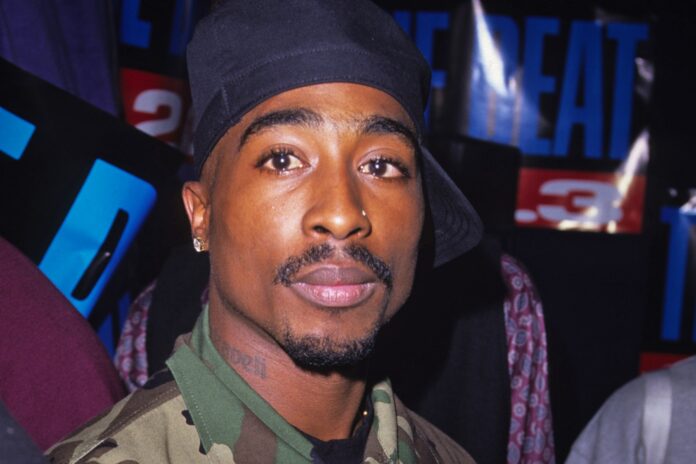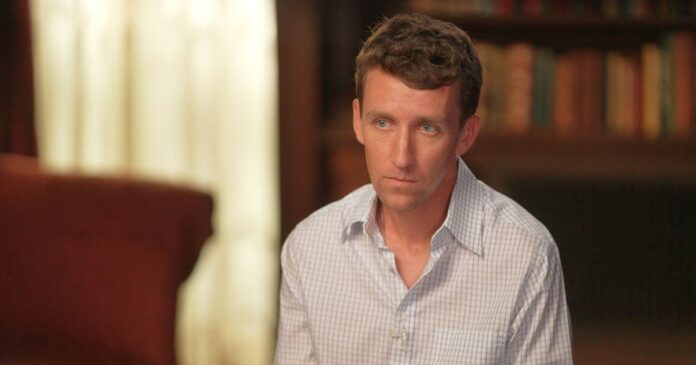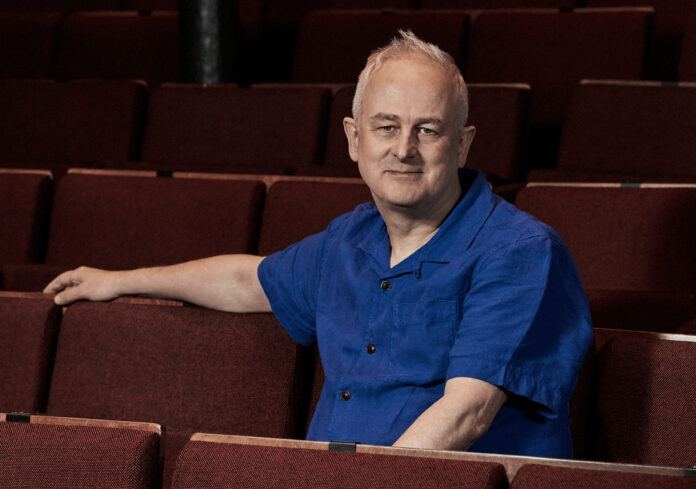

LAS VEGAS — Sekyiwa Shakur sat in a Las Vegas courtroom on Sunday and watched as the moment her brother’s killing was finally answered for. As each juror confirmed the verdict, she wept.
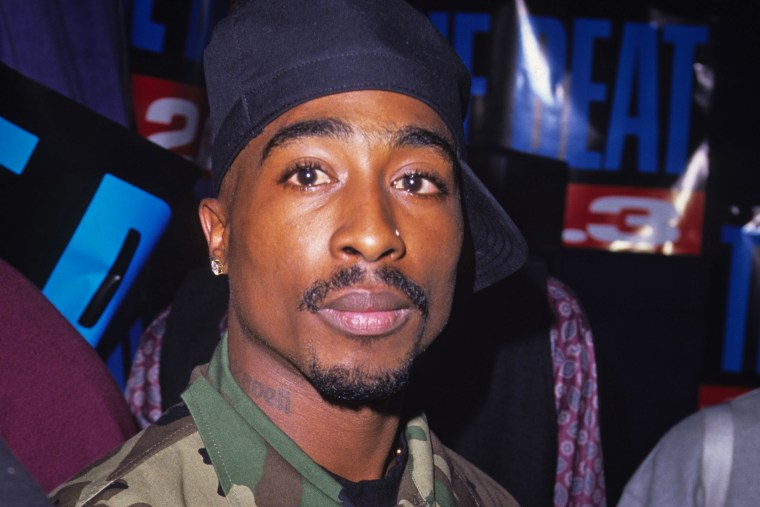
Duane “Keffe D” Davis, 63, was convicted of first-degree murder with use of a deadly weapon in the September 1996 drive-by shooting that killed Tupac Shakur, one of the most celebrated and most mourned figures in the history of American music. The jury returned its verdict on August 31, 2026, after a trial that lasted nearly two weeks and drew on evidence that included a 2008 confession, a 2019 memoir, and a piece of grainy VHS tape from the night it all began.
The case had been open for thirty years. That Sunday, it closed, at least partly.
Davis was not accused of pulling the trigger. Prosecutors argued he was the orchestrator, the “shotcaller” for the South Side Compton Crips whose order set the evening’s violence in motion. Nevada law allows that to be enough. Chief Deputy District Attorney Binu Palal told the jury that Davis “went hunting” for Shakur and Death Row Records co-founder Marion “Suge” Knight after a brawl involving Orlando Anderson, a Crips affiliate, in the lobby of the MGM Grand Hotel just hours before the shooting. Security footage from the MGM Grand, grainy and dark but legible, showed the altercation that set everything in motion, the same footage prosecutors highlighted when opening statements laid out the three-decade case against Davis.
What followed was a drive-by on Flamingo Road. Shakur, 25 years old, was shot four times. He died six days later on September 13, 1996. Knight, who was sitting beside Shakur in the BMW when a white Cadillac pulled alongside it, survived with a piece of shrapnel in his head.
Davis’s path to this courtroom was built less on surveillance footage or forensic science and more on his own words. In 2008, he gave a proffer to federal investigators, a statement offered in exchange for the possibility of legal benefit, in which he described his presence in the car and the events leading up to the shooting. A decade later, he went further. His 2019 memoir, “Compton Street Legend,” detailed his account again, describing the positions of people in the getaway vehicle and the context of the gang rivalry that framed the night. Those words became the prosecution’s centerpiece.
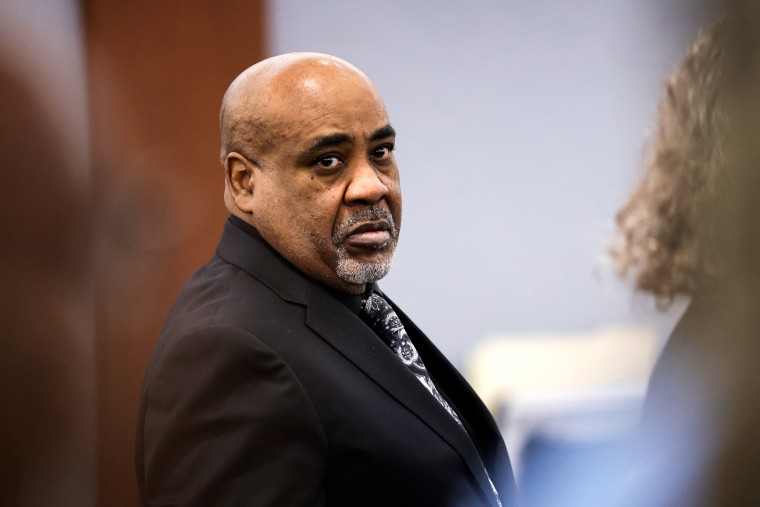
Defense attorney Michael Sanft took a different view of his client’s confessions. Davis, he argued, had fabricated and embellished his accounts over the years for financial gain and for the notoriety that comes with being the man who says he knows what happened to Tupac. The defense pointed to the absence of physical evidence, no receipts, no phone records, no photographs, placing Davis in Las Vegas that night or connecting him to the murder weapon. It was not the first time Davis sought to distance himself from the accounts he had given; in 2023, after his arrest, Davis requested release from custody and insisted his prior statements were entertainment, not confession.
The jury heard both arguments and chose the confession.
The verdict arrived on the cusp of a grim anniversary. The shooting happened on September 7, 1996. This September 7 marks thirty years since Tupac Shakur was struck on a Las Vegas boulevard while leaving a Mike Tyson boxing match. The trial’s timing was not incidental. Investigators and prosecutors in Clark County spent years building a case they believed could finally stick, identifying Davis as the one surviving witness who also happened to have told the story himself. When jury selection concluded and the trial formally opened, the moment carried weight that few courtroom proceedings in recent memory have matched.
Judge Carli Kierny ordered Davis to remain in custody pending sentencing, scheduled for October 13, 2026. He faces life in prison without the possibility of parole. His attorney has indicated Davis plans to appeal the conviction, which means the legal chapter is not entirely finished, whatever the jury decided.
The question the verdict cannot answer is who fired the gun. Davis was the last known surviving person from the car that night. The shooter has never been publicly identified and has never been charged. For the families and fans who have waited three decades, Sunday’s verdict is significant, but it does not represent the complete accounting many hoped for.
Tupac Shakur’s cultural footprint has only grown in the years since his death. Albums released posthumously continued to chart. Films, documentaries, and tributes have revisited his life and influence repeatedly, each one a testament to an absence that never settled into quiet. The unresolved nature of his murder, feeding decades of speculation and grief, was itself part of the mythology that surrounded him. What Sunday’s verdict does, at minimum, is replace that speculation with a legal finding. One man, by the judgment of twelve jurors, was responsible.
As NBC News reported, jurors were polled individually after the verdict was read, and each confirmed the same finding. Davis sat expressionless. Sekyiwa Shakur cried.
Whether the appeals court will agree is a separate question for another year. For now, the courtroom that opened in August has reached its conclusion, and the case that was thirty years in the making has produced its first conviction.