
CLEVELAND — The day the Cleveland Cavaliers became their own television network did not arrive on their terms. It arrived because the alternative had disappeared.
Main Street Sports Group, the company that operated FanDuel Sports Networks and held local broadcast rights to dozens of NBA, NHL, and MLB franchises across the country, collapsed last year under the weight of cable’s sustained decline. The Cavaliers were left without a local television home, and with a franchise player in Donovan Mitchell who had just carried Cleveland past the Detroit Pistons and into the Eastern Conference Finals. That combination made resolving the broadcast situation urgent.
The Cavaliers signed a deal with DAZN on Wednesday, making them one of the final NBA franchises to settle their local broadcast arrangements heading into the 2026-27 season. The agreement is notable not just for where the games will land but for what the team intends to do when they get there: the Cavaliers will produce their own telecasts, handling the broadcast operation in-house rather than relying on the infrastructure of a traditional rights holder.
That decision is either a statement of confidence or an act of necessity, depending on which corner of the organization you ask. Probably it is both.
The collapse of regional sports networks was not a surprise to anyone who had been watching the economics of cable television for the last decade. FanDuel Sports Networks, which carried the Cavaliers for years, was already under structural strain from cord-cutting before the formal bankruptcy proceedings began. The fracture accelerated during the 2025-26 season, leaving multiple franchises without a local rights partner in the middle of a playoff run. Cleveland finished the year without a traditional broadcast home for its postseason games. The DAZN deal ends that period of institutional uncertainty.
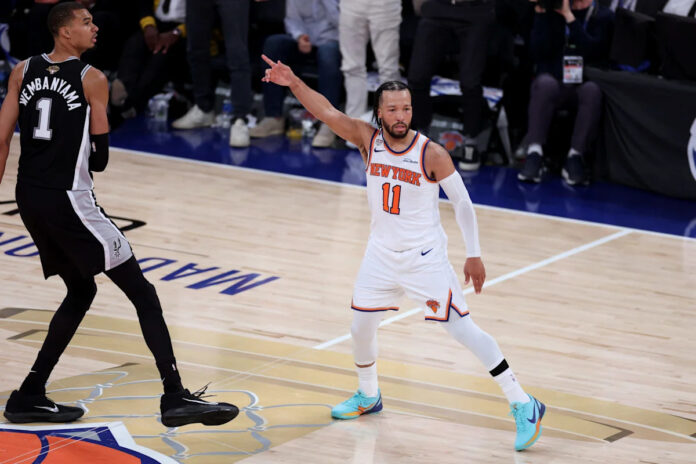
What it replaces it with is more complicated. DAZN’s model is direct-to-consumer streaming, with no cable provider or regional sports network standing between the team and the fan. The platform has shown it can operate at scale. DAZN’s accelerating expansion into regional sports television earlier this summer absorbed MSG and YES Network rights, bringing Knicks, Yankees, Devils, Rangers, and Nets games under its umbrella. The Knicks and Yankees faced a version of the same reckoning last month, announcing their move to DAZN without disclosing a subscription price until fans had already begun committing to the platform. The Cavaliers are arriving in a similar position: the deal is done, the games will be on DAZN, and the specifics of what fans will pay remain unsettled.
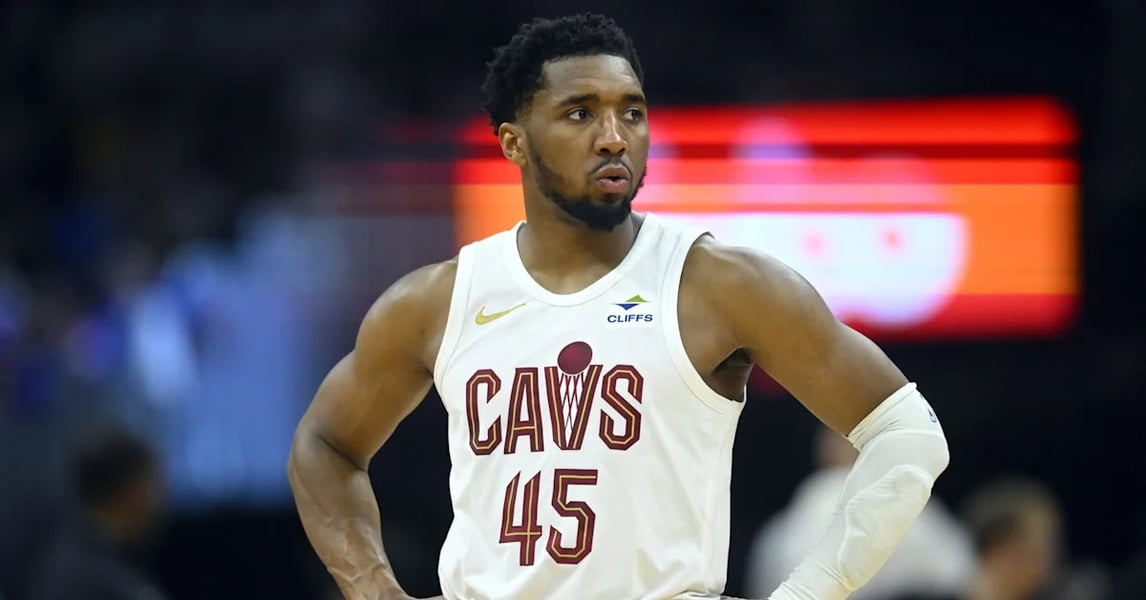
The production element is the part that has not appeared in any previous NBA-DAZN arrangement at this scale. Most franchise streaming deals involve a handoff: the rights go to the distributor, and the distributor handles the broadcast. The Cavaliers are building something different, a media operation that runs through the franchise itself. That means hiring broadcast talent, coordinating production schedules around an 82-game calendar, and managing a level of operational complexity that professional sports teams have not traditionally owned. The Houston Rockets have experimented with in-house production in recent years, but the Cavaliers are committing to it at full-season scale.
Mitchell’s drawing power makes the bet more defensible. He is 29 years old, coming off a regular season in which he averaged 29.4 points per game and carried Cleveland through a punishing playoff run. A franchise built around that kind of player has a built-in audience willing to seek out content regardless of where it lives. The Cavaliers are betting that audience will follow them to a streaming app, and they are betting that controlling the production means they can shape how that audience experiences the product.
The unanswered question is what happens when following them costs a subscription fee that nobody has agreed to yet. The Knicks’ experience was not a smooth rollout: a fanbase that learned the cost of watching their team the same week the season began, without enough lead time to budget or plan. According to Yahoo Sports, the Cavaliers are among the final franchises to complete local broadcast arrangements for 2026-27. The team will need to announce pricing before October, in a way that does not drive away the casual fan who has watched games on cable for 30 years.
Thirteen other NBA franchises completed their local broadcast arrangements earlier this offseason. The Cavaliers are arriving last, which means they watched every other model play out before committing. Whether they used that time to build something better than what came before is the question their first broadcast season will answer. Donovan Mitchell scoring 30 points in a nationally distributed streaming window is a different experience than watching him do it in a living room that still has cable. For now, nobody in Cleveland is certain which version of that sentence they signed up for.