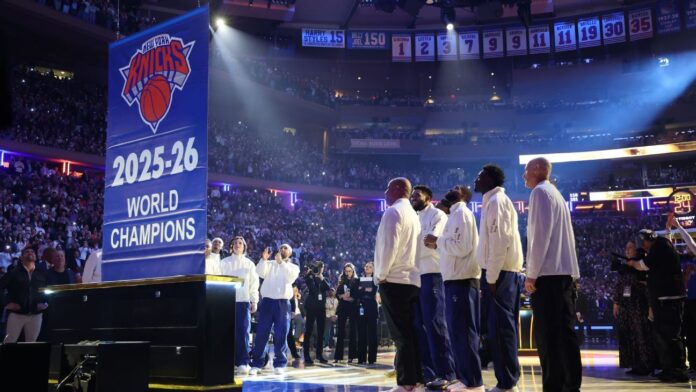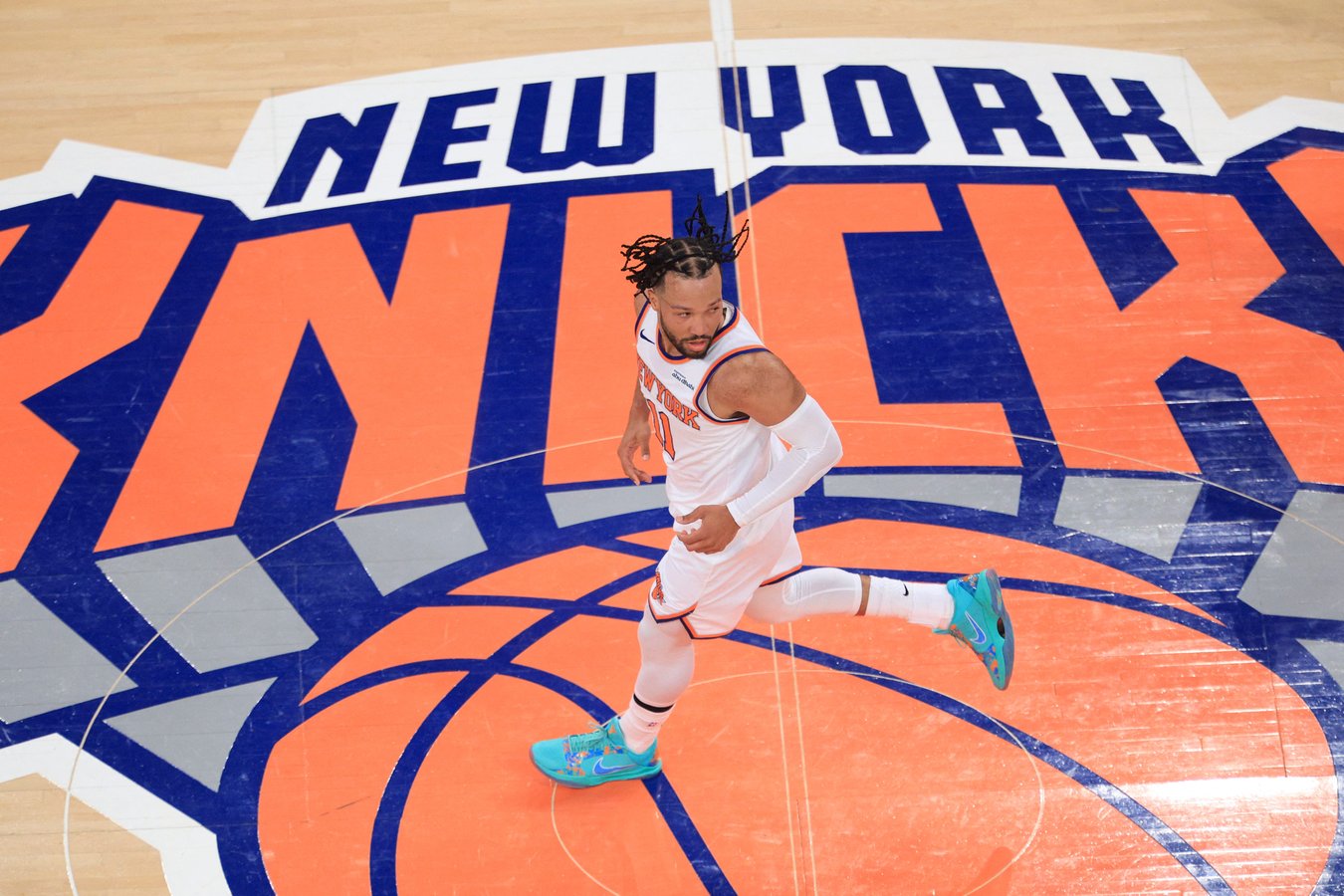

NEW YORK — For anyone who watched the Knicks win the championship this June on an MSG Networks feed piped through a cable box they have had since 2018, the question that has been building for years just got an answer. The regional sports network model, the architecture of rights fees, carriage deals, and cable bundling that has delivered local NBA, NHL, and MLB games to tens of millions of American households for three decades, is being replaced. DAZN, a British streaming platform that most of those households have never heard of, is doing the replacing.
The platform announced Wednesday it has secured exclusive direct-to-consumer streaming rights for MSG Networks and YES Network during the 2026-27 NBA, NHL, and MLB seasons. The deal covers local broadcasts for seven franchises: the New York Knicks, New York Yankees, New York Rangers, New York Islanders, Brooklyn Nets, New Jersey Devils, and Buffalo Sabres, comprising the commercial center of the most lucrative sports market in the United States.
“It is a defining moment for us and underscores our commitment to expanding our footprint in the United States,” DAZN chief executive Shay Segev said in a statement. According to Yahoo Sports, neither DAZN nor MSG Networks disclosed the financial terms of the arrangement. What was disclosed is the operational mechanism: users currently subscribed to the Gotham Sports App, which carries MSG and YES feeds under the existing model, will eventually migrate to DAZN’s platform. The timing of that migration has not been finalized.
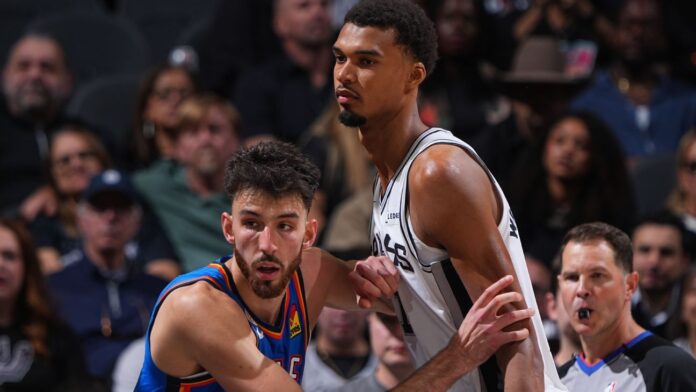
The MSG and YES announcement is not the full extent of DAZN’s ambitions in the United States. Sports Business Journal reported Wednesday that DAZN is close to acquiring full exclusive local broadcast rights for five additional NBA teams: the Cleveland Cavaliers, Indiana Pacers, Memphis Grizzlies, Minnesota Timberwolves, and San Antonio Spurs. Negotiations are also underway for streaming-only arrangements with the Charlotte Hornets and Orlando Magic. If those deals close before the season tips in October, DAZN would control local streaming rights for more than a third of the NBA’s franchises.
The announcement lands in the middle of an NBA offseason that has not been short of commercial spectacle. LeBron James’s signing with the Philadelphia 76ers in late July set off a wave of commercial activity that Fanatics confirmed produced the single largest merchandise debut by any athlete switching teams in the history of professional sports. The league’s national television rights, renegotiated in recent years, already reflected how much value the market has placed on NBA content. What DAZN is acquiring is the local distribution layer: the infrastructure through which fans watch their teams on an ordinary Tuesday in March, not just in the Finals.
NBA Commissioner Adam Silver addressed the local rights situation in terms that captured how unsettled it remains. “We’ll cobble together a series of solutions for this season,” Silver said, “but I feel good that we’ll have something on a national basis for the following year.” The verb “cobble” is not the language of a settled plan. Silver has signaled for more than two years that the league expects a centralized local broadcasting solution to be in place by the 2027-28 season. Whether DAZN is the platform Silver has in mind, or one component of something larger, is not apparent from the deals announced Wednesday.

The regional sports network business that DAZN is displacing was built on a straightforward economic model: cable operators and satellite providers paid carriage fees to regional networks, those fees subsidized production costs and rights payments, and local teams received a predictable revenue stream regardless of whether any individual subscriber actually watched. That model began to erode when pay-TV subscriptions started declining, accelerated when distributors began dropping regional sports networks as too expensive to justify to a shrinking subscriber base, and has now arrived at a point where the companies that built the networks have either gone bankrupt, sold their rights, or both. DAZN is not restoring that model. It is constructing a direct-to-consumer alternative that does not depend on carriage fees, which means it also cannot depend on the subscriber guarantees that made the old model stable.
DAZN was founded in 2016 (pronounced “da-zone”) and built its initial American presence around combat sports and international soccer. Those markets had already adapted to streaming. The audience was younger, less attached to the cable infrastructure it was replacing, and more accustomed to paying platform subscription fees for specific sports content. Expanding into NBA, NHL, and MLB local rights is a categorically different challenge. The viewing habits of a Yankees fan who has watched YES Network since 2002 are not the habits of a fan who adopted a boxing streaming app in 2019. Whether DAZN’s subscriber acquisition model, built on one audience, translates to another is the central business question its MSG and YES deal has raised and not yet answered.
The restructuring of sports rights is not happening only at the local level. FIFA’s proposal to sell minority stakes in the World Cup to private investors through a new $20 billion commercial entity triggered a UEFA boycott threat and a rebuke from the British government. The sports organizations controlling the most valuable content in the world are searching simultaneously for new financial structures, because the old structures of cable carriage, broadcast licensing, and television exclusivity windows are either failing or have already failed in the markets where audiences were supposed to grow. DAZN’s move into New York is a local version of the same calculation, made with less institutional drama and considerably more practical urgency.
What DAZN has not disclosed is the subscription price it will charge for access to MSG and YES content, whether fans can purchase team-specific packages rather than full network bundles, or what happens to the substantial portion of the New York market that has already lost access to MSG or YES through cable provider disputes and is currently watching games through workarounds. Those fans exist in larger numbers than the industry typically acknowledges. Their experience of the transition will determine whether DAZN’s expansion functions as a genuine solution to the local sports access problem or as a successor that replicates the old model’s exclusions in a new format.
The Knicks open the defense of their championship in October. The Yankees’ playoff chase will not wait for a platform migration to be finalized. For the New York sports fan who watched last season through whatever combination of subscriptions and arrangements got the job done, DAZN’s announcement represents a date with a decision they may not have been planning to make before the summer ended.