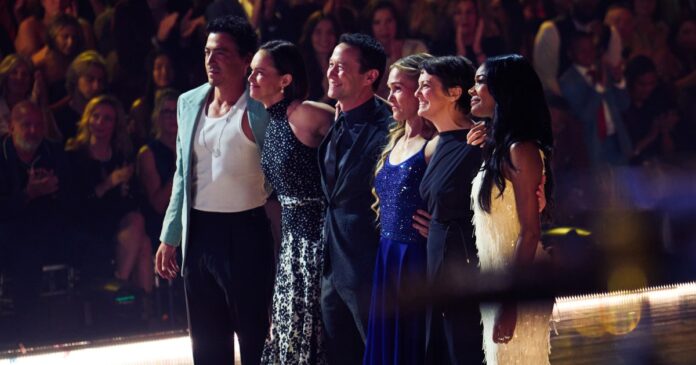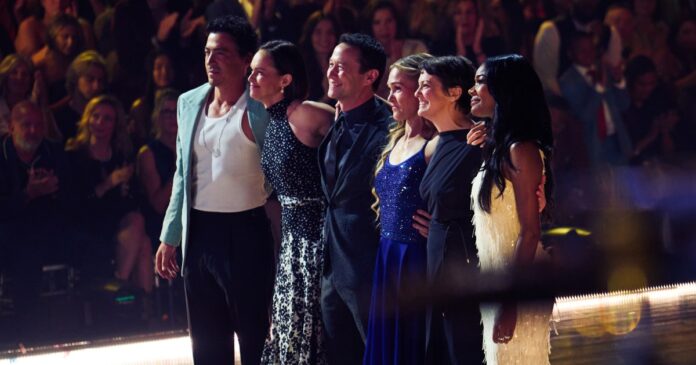

TORONTO — The last time Siân Heder brought a film to Toronto, it won the People’s Choice Award and went on to claim the Academy Award for Best Picture. Thursday night, she came back with something quieter and more precise — and the festival chose it to open.
“Being Heumann,” which had its world premiere at Roy Thomson Hall as the official opening-night selection of the Toronto International Film Festival, follows Judy Heumann, the disability rights activist who organised the 1977 occupation of the San Francisco Federal Building. The 28-day protest was the longest nonviolent occupation of a U.S. federal building in history and pressured the federal government to implement Section 504 of the Rehabilitation Act. That law later became the legislative foundation for the Americans with Disabilities Act.
Ruth Madeley plays Heumann with a groundedness that prevents the film from becoming a conventional biopic hagiography. The supporting cast, including Mark Ruffalo, Dylan O’Brien, Rob Delaney, and Madeline Delp, surrounds her with the texture of a movement: the volunteers, negotiators, officials, and people who simply refused to leave. The film is based on Heumann’s 2020 memoir, co-authored with Kristen Joiner, which presented the sit-in not as a moment of easy triumph but as a test of endurance that most people, faced with similar risks, would have failed.
Heder is the fourth woman to direct a TIFF opening-night film, following Sally El Hosaini, Deepa Mehta, and Patricia Rozema. That is not a statistic the festival appeared eager to highlight on Thursday. The programming notes led with the subject matter, as they should have, but the fact remains part of the selection’s broader context.
Apple Original Films is distributing. The film opens theatrically November 6 and streams on Apple TV+ beginning November 13. The deal marks the second time Heder and Apple have collaborated since “CODA,” a partnership that began when Apple acquired the Sundance Film Festival title in one of the largest streaming deals of 2021. That film, made predominantly with Deaf actors and exploring similar territory around disability, identity, and institutional neglect, is the reference point every conversation about “Being Heumann” will return to. Heder did not try to outrun the comparison at the premiere — she leaned into it, The Hollywood Reporter noted, speaking about the continuity between the two projects, the same instinct toward stories that have been misread or overlooked by the mainstream industry.
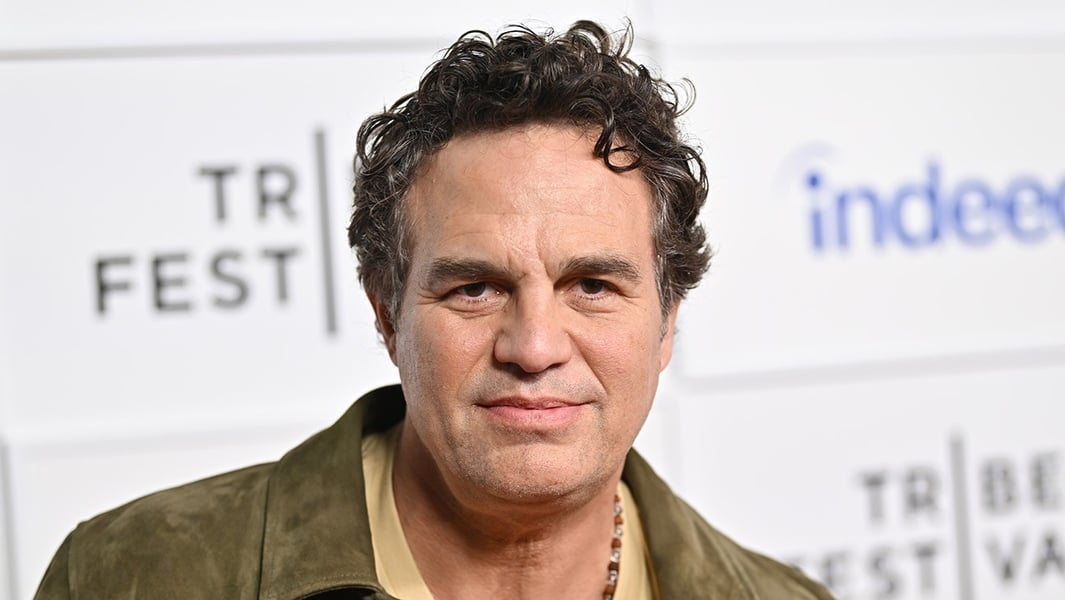
Heder received the TIFF Impact Media Award at Thursday’s ceremony, the festival’s recognition for films that engage with urgent social issues through the language of narrative cinema. The distinction separates “Being Heumann” from the main competition for the People’s Choice Award — the audience vote that, at TIFF, carries more practical Oscar-season weight than any jury prize. “CODA” won that vote in 2021 on its way to the Academy Award. EH’s coverage of the current People’s Choice vote at TIFF 2026 noted that the race remains open through the festival’s final weekend, with the result expected to influence which films enter the fall awards conversation with momentum.
What that means for “Being Heumann” specifically is unclear. Impact Media Award recipients are not eligible for the People’s Choice, which removes the most direct path the film might have walked toward an Oscar Best Picture nomination through the festival-audience route. Apple and Heder will have to build the campaign through a different architecture — likely through the guild circuit, through Madeley’s performance, through the film’s advocacy constituency, which is significant.
The disability rights community that the film portrays is the same community that will carry it into theaters in November. That is both the film’s strength and its ceiling. The question that follows “Being Heumann” out of Roy Thomson Hall is the one that has followed every prestige social-issue film through the fall: whether it can reach audiences who do not already know why Judy Heumann matters, and whether it can make them feel what they did not know they were missing.
Heder’s answer to that question, at least in formal terms, is to make a film about what it costs to wait — to occupy a building for 28 days, to negotiate with people who have decided not to negotiate, to be right about something and have that rightness make no difference until it finally does. That is a story architecture closer to the films currently competing at Venice than to the inspirational-biopic genre the subject matter might have invited. Whether Toronto audiences receive it that way is the open question the festival season has not yet answered.
The TIFF 2026 awards — including the People’s Choice and the Platform Prize — will be announced at the closing ceremony on September 20. Jean Smart’s Emmy win for Hacks last month reinforced Apple TV+’s status as an awards-season force this cycle; whether the platform can replicate that success on the film side, with two consecutive best-picture-adjacent titles, is the question that sits at the center of “Being Heumann”‘s entire release strategy.