
MONTREAL — The moment NHL commissioner Gary Bettman called Juraj Slafkovsky’s name first overall at the 2022 draft, the Bell Centre had a new reason to believe. Four years later, the winger from Košice has grown into exactly the player Montreal needed him to be, and tonight is the last night the Canadiens can offer him eight years under the CBA’s same-team extension provision.
After midnight, the maximum drops to seven.
Slafkovsky came into the league carrying expectations that would have buried a thinner personality. First overall in a draft class that included Shane Wright and Logan Cooley, he had been chosen not as the consensus best player available but as the highest-ceiling gamble in a draft full of good options. His first season was exactly what first seasons often are for power wingers who need NHL speed before the rest of their game lands. His second season showed why the Canadiens made the call they made. By his third, that clarity had hardened into proof.
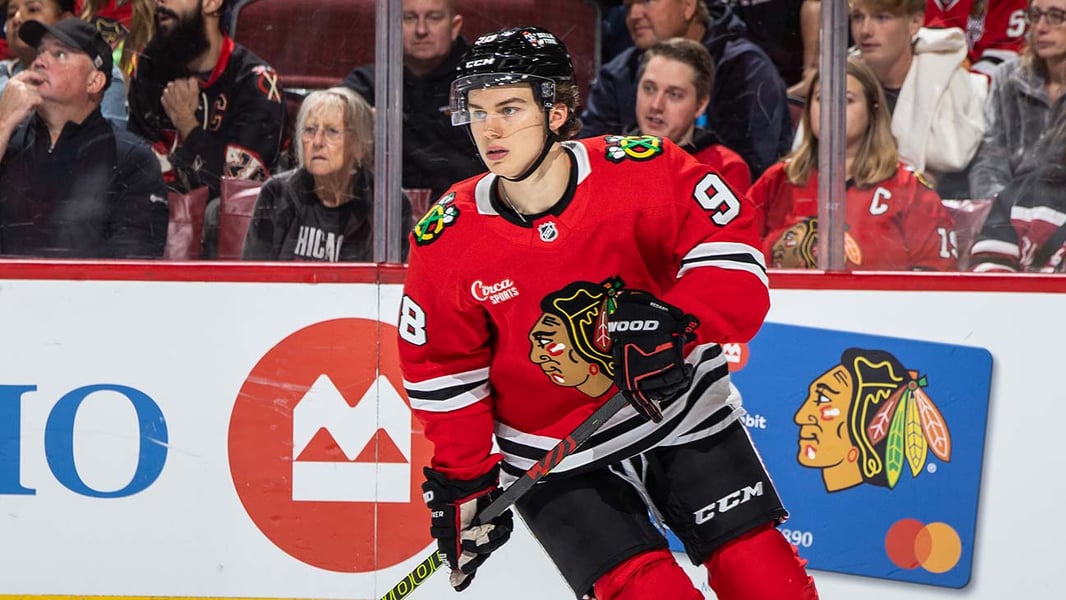
He was 22 years old when the 2025-26 season began and already playing like a number one wing who understood what carrying a line meant. His shot finds lanes that defenders close on other players. His forecheck creates the territorial pressure that lets Montreal’s centers operate. He does not score in the pretty way that earns magazine covers, but he scores in the way that changes game states, and the Canadiens have built their offense around that difference.
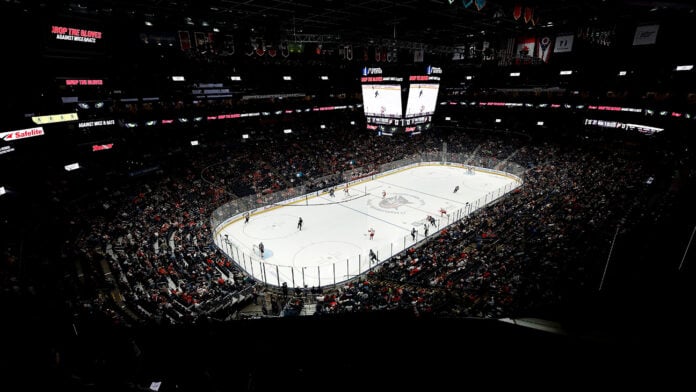
The Montreal franchise carries a specific weight. Twenty-four Stanley Cups and 33 years since the last one is not the same thing as a successful franchise on a dry spell. It is closer to a dynasty that has been paused, improbably, for longer than most fans of the franchise have been alive. The Bell Centre is not a building where a franchise says it is patient. It is a building where the expectation is permanent and the patience has a very short clock.
An eight-year extension for Slafkovsky does not guarantee the Canadiens will end the drought. What it does is commit to the idea that Slafkovsky is the player they find on the other side of all the groundwork they have laid. Lane Hutson’s development at center, the defensive improvements over three seasons of retooling, the goaltending depth they have built to stabilize the position: all of it carries an implicit assumption. Slafkovsky is why the timeline matters. He is the player the window is built around.
Eight years takes him to 30. That is the Canadiens saying they believe his best hockey falls inside the contract. Not that he will be finished at 30, but that the seasons that decide everything fall while he is in his mid-to-late twenties. No team locks in a 22-year-old for eight years without a firm conviction about how those years are going to look.
Seven years says something similar but smaller. It says the commitment is there without the certainty. It says Montreal trusts the player without fully trusting the window. The optionality it preserves is theoretical. The signal it sends to Slafkovsky about how the organization values him is not.

What the Canadiens must weigh is the back end of the bet. Eight years of a 22-year-old’s prime is also eight years of whatever the back end of that career looks like. Slafkovsky’s game is driven by power and skating, both of which tend to hold up into a player’s late twenties better than pure speed. But the organization has had long-term commitments age poorly before, and the front office is managed by people who remember those contracts vividly.
The Ottawa Senators faced a version of this same calculation tonight with Jake Sanderson, a 22-year-old defenseman whose commitment question came down to whether one year of optionality was worth losing tonight. The Canadiens’ version runs through the forward group, but the stakes map exactly: a young cornerstone at peak value, an eight-year window open for the last time.
Slafkovsky was chosen first overall because the Canadiens believed a winger with his combination of size, shot, and skating ceiling arrived once in a generation. The ceiling has not changed. The debate is whether four years of proof is enough to close the commitment gap, whether the organization is ready to say publicly and contractually that the era they have been building is Slafkovsky’s era.
The NHL’s collective bargaining agreement sets the hard line at midnight. After that, seven years is the maximum the Canadiens can offer their own player. The franchise has 24 banners in the rafters and 33 years of wanting a 25th. Tonight they decide how much of that desire they are prepared to put directly in front of the player they chose to end the wait.