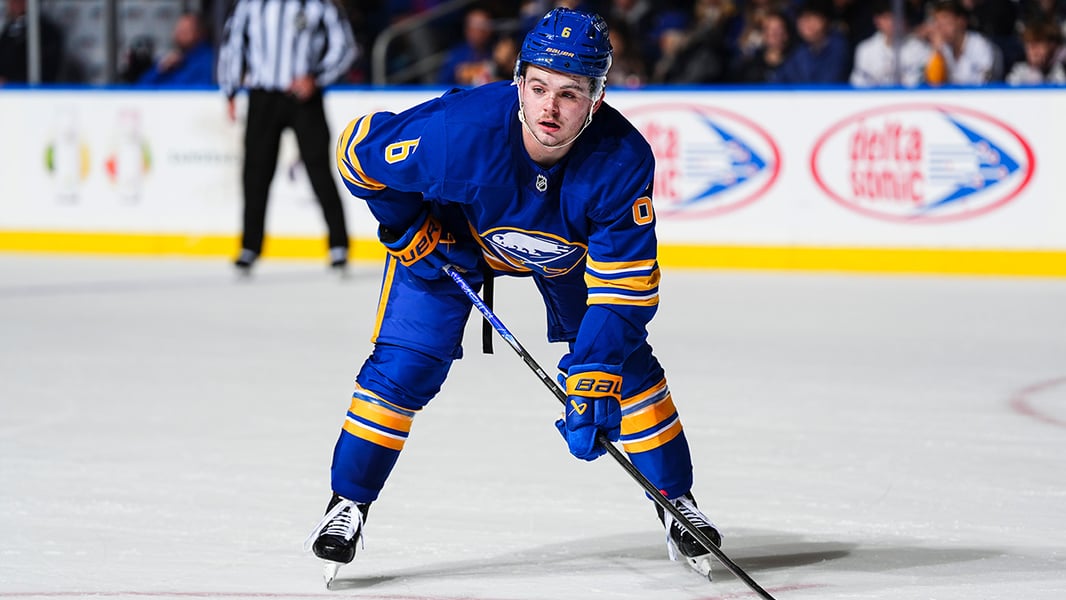

SAN JOSE — The San Jose Sharks have not reached the playoffs since 2019. When they selected Will Smith fourth overall in 2023, they did so expecting that, when contention finally returned, he would be at its center.
Tonight is the final night the CBA allows San Jose to offer him an eight-year contract.
The deadline applies across the NHL to every team with a 2023 first-round pick still on an entry-level deal, but it carries a different weight in San Jose. Columbus is confronting a salary-cap problem. Philadelphia is navigating a quiet negotiation.
The Sharks face a more abstract question: whether to commit to eight years when they still cannot clearly see the team that contract is meant to anchor.
After midnight, the collective bargaining agreement drops the maximum same-team extension from eight years to seven. The difference between the two numbers is not trivial. An eight-year deal signed tonight keeps Smith in San Jose through his age-28 season. A seven-year deal signed tomorrow holds him only through 27. One year of prime, in the middle of what both sides presumably hope will be the most productive period of his career, is what tonight’s clock is actually about.
Smith is 20. In two NHL seasons, he has produced at a pace that suggests the Sharks drafted correctly: 24 goals and 55 assists in his first two years, numbers that are solid without yet being franchise-defining. He has shown the playmaking ability and two-way instincts that made him the consensus fourth pick in a historically strong class. What he has not done yet is play for a Sharks team that resembled a playoff contender. His NHL career has unfolded in front of home crowds in a building that has been more development lab than pressure cooker. The player he is becoming has not yet been tested against the version of San Jose that was supposed to justify the rebuild.
The Sharks have approximately $26 million in cap space — one of the largest available pools in the league. The cap math is not the obstacle here. San Jose can afford whatever figure Smith’s camp presents. What the cap number cannot answer is the structural question: whether locking in a franchise center now, before the surrounding roster is built, commits the franchise’s financial identity before it knows what it is building around him.
The Carlsson contract is the market anchor, as it is for every 2023 first-round negotiation. Leo Carlsson, the third pick, signed a five-year deal at $18 million per year with the Ducks in July. Carlsson went one pick below Smith. The implication for Smith’s camp is straightforward: the market rate for the third pick is $18 million per year. The market rate for the fourth pick is, at minimum, a conversation that starts at $18 million. Where it lands is between Smith’s representatives and San Jose general manager Mike Grier.
Grier has not said publicly where talks stand. Smith has not said publicly what he wants. The silence heading into tonight is either a sign that something is close or a sign that nothing has moved. Both interpretations are consistent with what has been reported, which is very little.
What the Sharks do have is time in a different sense than the other franchises navigating this deadline. San Jose’s rebuild timeline is measured in years, not months. The team that Smith will eventually anchor is not the team playing tonight’s preseason games. The players around him are still arriving, the coaching staff is still settling, the identity of the franchise is still being assembled. An eight-year commitment made in that context is a bet on a direction, not a present reality.
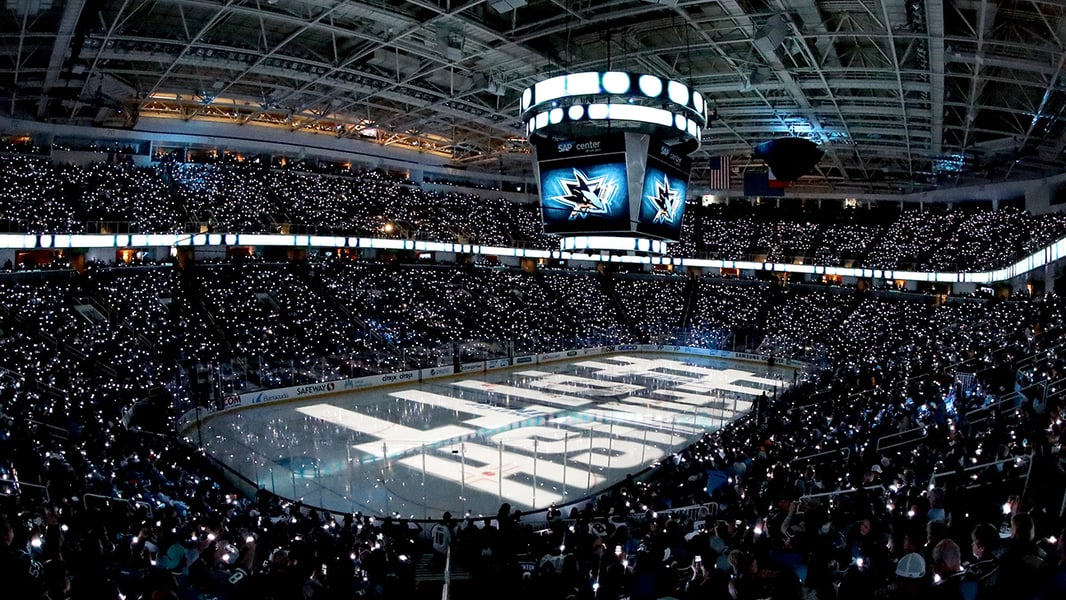
The collective bargaining agreement treats every franchise identically. At midnight, the window closes at eight years for every team in the same position, regardless of how far they are from contention, regardless of where their talks stand. The rule does not distinguish between a team one year from a Cup run and a team three years from relevance. San Jose and Will Smith are both subject to the same clock.
He was the fourth pick in a draft class that will define a generation of NHL centers. Tonight is the last night the CBA gives San Jose the option of the longer answer.