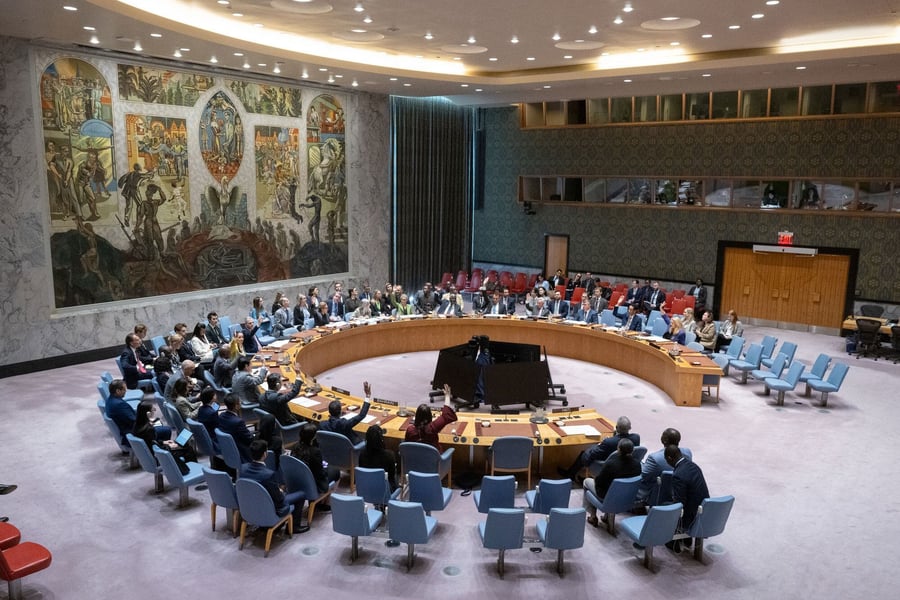

UNITED NATIONS — None of the guns in the hands of Haiti’s gangs are made in Haiti, and on Wednesday the Security Council renewed the sanctions meant to cut off their supply, over the abstention of Russia.
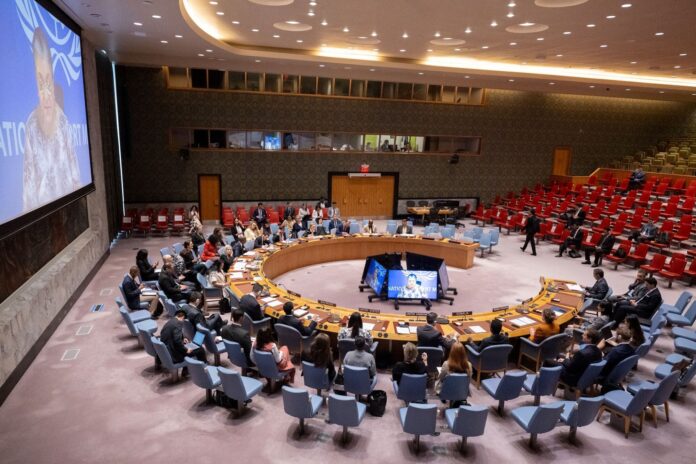
Resolution 2831 (2026) passed by 14 votes to none at the Council’s 10241st meeting. The Council’s own release says the regime was renewed for one year, with its travel ban, asset freeze and arms embargo intact; UN News reported that the work of the sanctions committee was extended by 13 months. Both can be true if the regime and a panel’s mandate run on different clocks, but TEH could not read the resolution text to check, and the release announces no new designations.
Russia said the text has “seemingly noble elements” but would in effect introduce “essentially a new sanctions criteria”: misappropriation, embezzlement and diversion of public resources, which it argued is not directly linked to the main listing criteria in the 2022 resolution that created the regime. Its abstention, a Russian representative said, was not meant to shield corrupt officials, and outside interference could worsen Haiti’s fragile situation. Russia also pointed to low compliance with the sanctions, in Haiti and in the countries where smuggled weapons start.
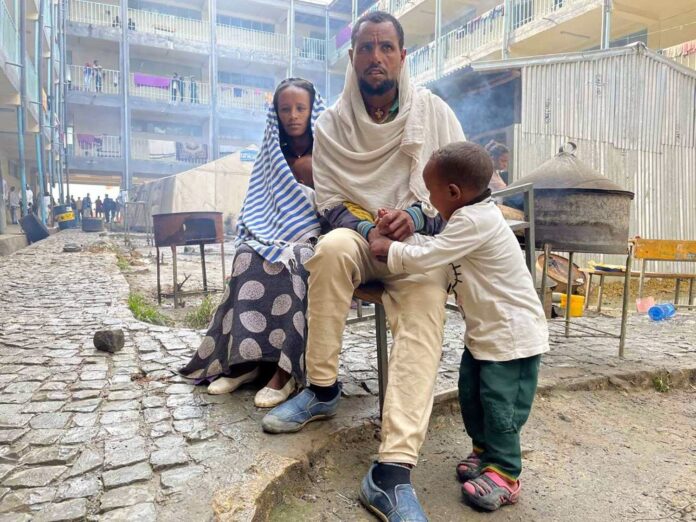
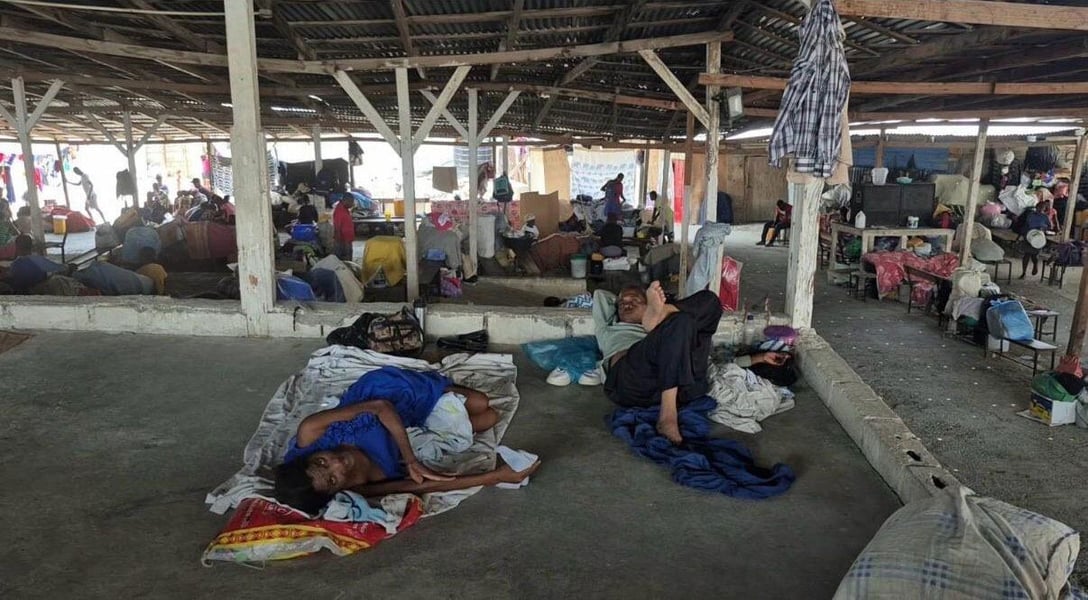
The argument is about a regime whose effects are hard to find on the ground. According to UN News, armed gangs control large parts of Port-au-Prince and are pushing into rural areas, about 1.5 million people, roughly 12 percent of the population, have been forced from their homes, and more than 3,000 people were killed between October last year and April. A UN partner treated over 2,400 survivors of sexual violence in the capital between January and May.
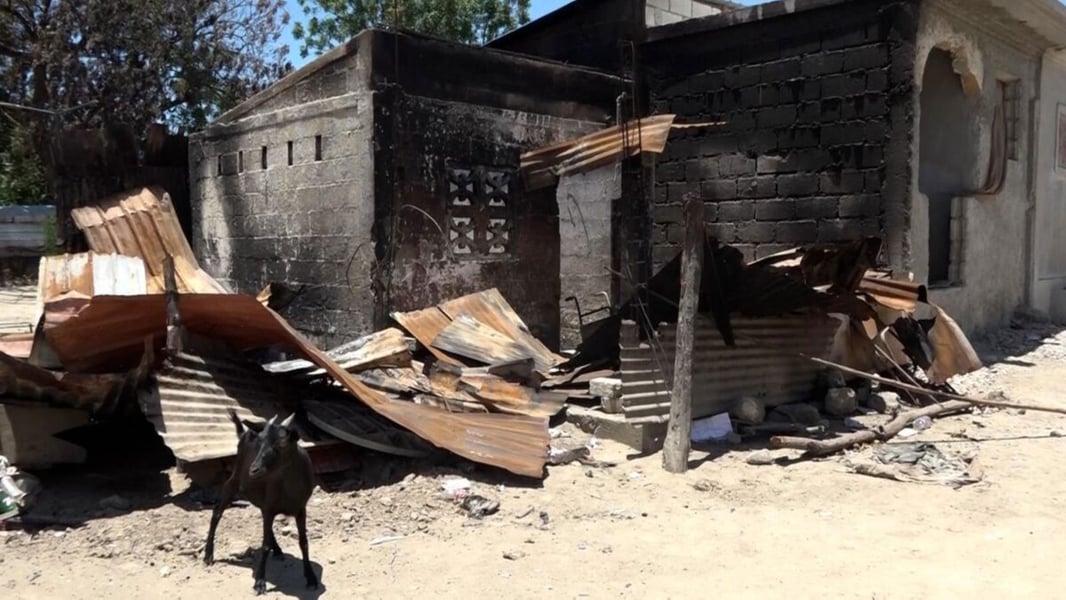
Nine individuals and two groups are on the sanctions list. The independent panel of experts that monitors it has found the arms embargo is violated “on a regular basis.” Some of the gangs’ bullets come from national stockpiles; police do not centrally track what they seize, so some weapons are unaccounted for or diverted by corrupt officers. The asset freeze fared worse: only two sanctioned individuals’ accounts were reported frozen, with meagre sums, because banks acted slowly and the targets moved money or hid it under third parties’ names. The panel found no attempt to break the travel ban but warned that fraudulent passports could let listed people travel under false names, and said targeting gang leaders “without addressing the networks that sustain them will inevitably fall short.” The UN human rights office estimated last year that between 270,000 and 500,000 illegal weapons are in circulation.
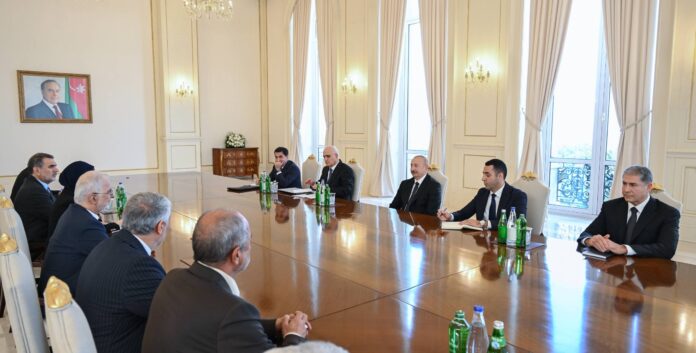
In the chamber, Panama and the United States, which co-led the negotiations, pressed different points, according to the Council’s meeting coverage. Panama called for closing loopholes that allow sanctions evasion and for new names on the list, citing a “symbiotic relationship” between some political and economic elites and the gangs. The United States said it would keep considering designations and noted that the arms embargo does not cover arms transfers to the Government of Haiti. China urged states, “especially the country that is the main source of illicit weapons and ammunition of Haiti,” to act on trafficking at its source. Colombia noted that “70 per cent of Port-au-Prince is in the hands of gangs” and asked the Council to review the scope of the sanctions.
France said the deployment of the Haiti gang suppression force needs to speed up now that elections have been postponed. Pakistan’s representative regretted that disagreement over who should chair the committee that administers the Haiti sanctions has paralysed it, as it has every other subsidiary body of the Council.
Haiti’s representative welcomed the renewal while arguing that the regime must address every mechanism fuelling the violence, including support networks that he said are sometimes facilitated by national and international actors. Liberia’s delegate said the weapons “are not manufactured in Haiti” and that the measures target perpetrators and their enablers, not the Haitian people.
What the record does not show is whether a committee without chairs can enforce a longer list. So far the experts can confirm that two accounts were frozen.