
EDMONTON — Albertans have ten ballots to mark in the referendum whose polling day is Monday, and only one of them asks anything about leaving Canada. Even that one would not take the province out.
The separation question, as Elections Alberta publishes it, offers two options: that Alberta “should remain a province of Canada,” or that the provincial government “should commence the legal process required under the Canadian Constitution to hold a binding provincial referendum” on separating. The government’s order says the result is not binding.
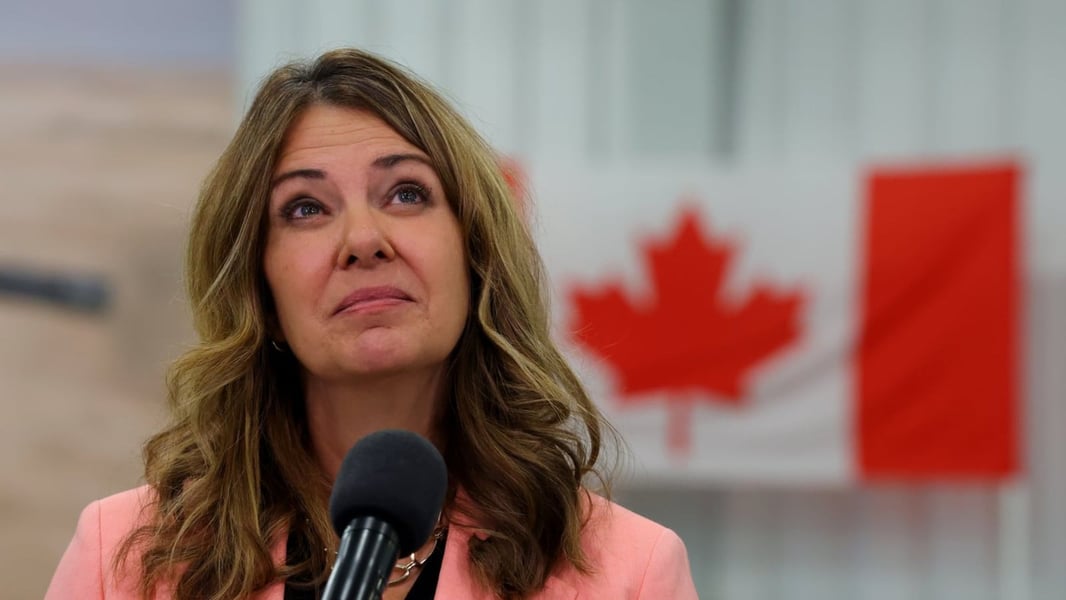
The other nine questions are Premier Danielle Smith’s proposals on immigration and constitutional change, and they are what she most wants voters to back. Smith, who voted Wednesday to stay in Canada, said voting yes to the first nine questions “is how we send a message to Ottawa that provinces need more autonomy and respect if Canada is going to be stronger and unified,” the Canadian Press reported. NDP Leader Naheed Nenshi urged voters to reject the nine proposals and to vote to stay.
The wording of the nine is in the ballot text. Three would restrict or charge for provincial services for people with non-permanent immigration status: limiting provincially funded programs to citizens, permanent residents and those with an Alberta-approved status, a 12-month wait before social supports, and fees for health care and education. Others ask for proof of citizenship to vote and for working with other provinces to change the Constitution, including abolishing the Senate and letting provinces opt out of federal programs without losing the money. Every one of them is non-binding.
Turnout is running high. The first day of advance voting drew 174,532 people, above the roughly 151,000-a-day average of earlier provincial elections, Elections Alberta told CTV News, and some locations stayed open until as late as 11 p.m. About 658,000 special ballots were requested, and roughly 418,000 had come back by Tuesday. Wind knocked out power at two rural polling places on Wednesday, the Canadian Press said.
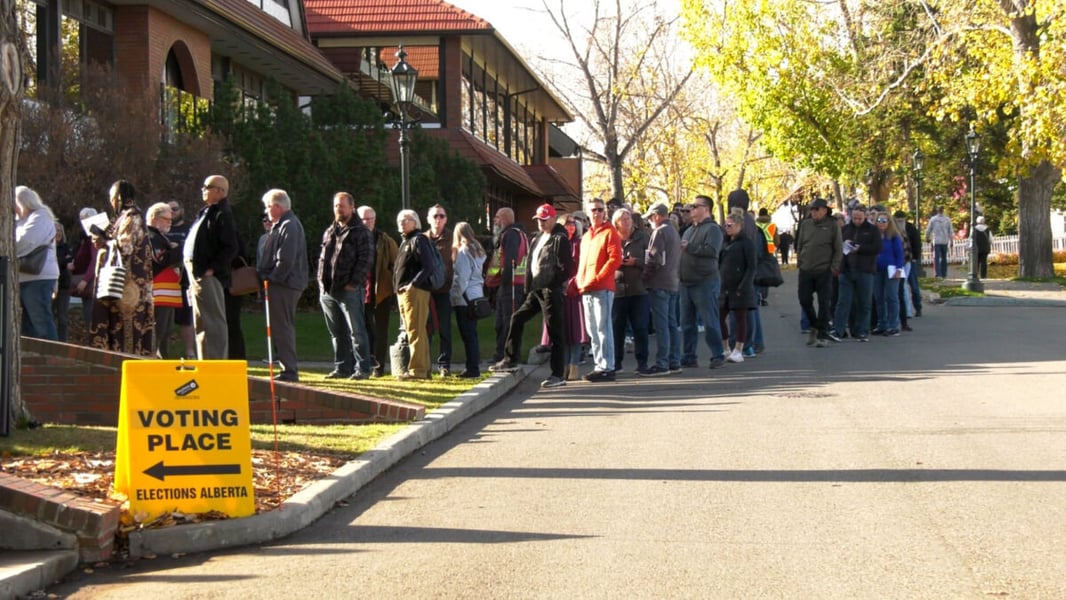
Smith framed her pitch around progress on a Pacific pipeline to the B.C. coast. Polls suggest a strong majority of Albertans want to remain in Canada, the Canadian Press reported. The count of Election Day ballots begins after polls close Monday, and official results are due October 29 at 10 a.m.
Elections Alberta says it may not interpret the questions and refers voters to the government or their MLA. What a non-binding yes on, say, opting out of federal health funding would oblige Ottawa or Edmonton to do is not on the ballot. A message to Ottawa goes out either way; whether anyone must answer it is the question no one asked.