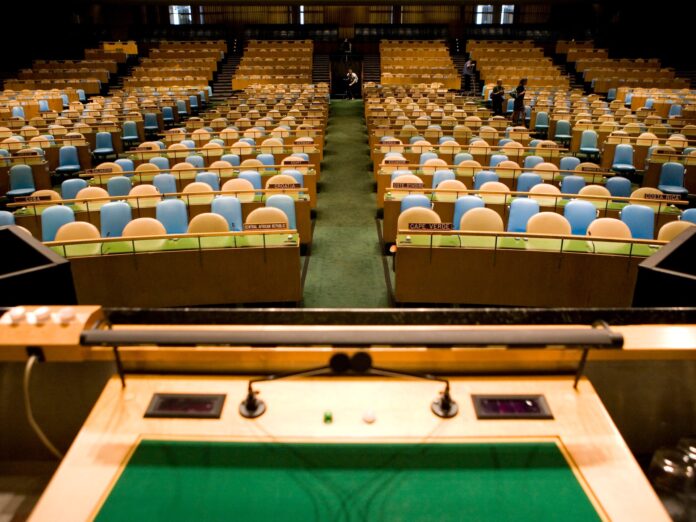

PORT-AU-PRINCE — On September 30, the UN Security Council will decide whether to keep paying for the mission built to save Haitians from their gangs. Nobody on that council has to reckon, in the same vote, with what the United Nations’ own human rights office has already concluded: that the state the mission is propping up has been killing people too.
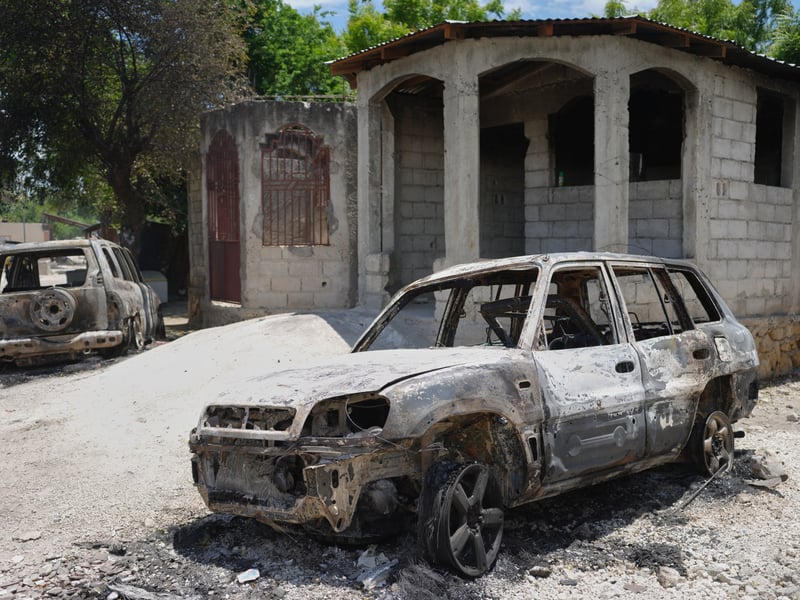
The Gang Suppression Force, a non-UN multinational mission that replaced the Kenyan-led Multinational Security Support mission this spring, was authorized for one year under Security Council resolution 2793 last September. Haiti’s government formally asked for its renewal on September 4, and the reasons are not hard to find: gangs now control most of Port-au-Prince and have pushed north into the Artibonite and Centre departments, extending a war that has emptied entire neighborhoods. What the renewal request does not mention is a finding buried in the UN Human Rights Office’s own March report, one that complicates the story of who is doing the killing.
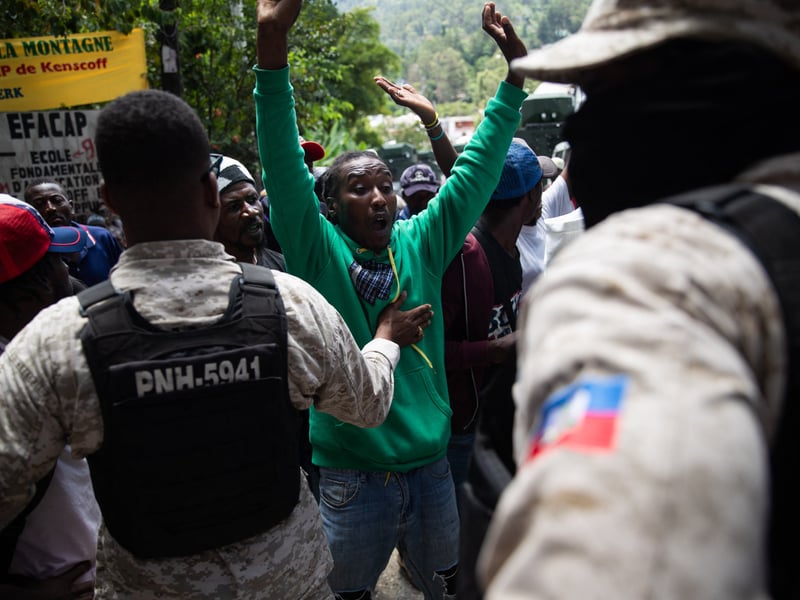
The police account for a specific slice of that gap. Investigators documented by UN News found 247 instances of actual or attempted summary executions of suspected gang members or their alleged supporters, killing 196 people and injuring 51 more, part of a pattern the UN’s own human rights machinery keeps documenting as potential war crimes wherever state forces face armed groups. Separately, a private military company reportedly hired by the Haitian government has carried out operations since March 2025 involving drone strikes and helicopter gunfire that UN investigators characterized as bearing the hallmarks of targeted killings: predetermined, intentional and deliberate. No judicial authority in Haiti appears to have opened an investigation into any of it.
None of this shows up in the number the Security Council will actually be responding to on September 30, which is the more recent, narrower count: at least 613 people killed and 375 injured around the capital between March and July alone, including 111 women and 77 children who had no ties to any gang. That figure is the one driving the renewal push, and it is real. What the debate leaves out is the possibility that funding a harder security response, without addressing what the UN’s own office has already documented about the police and the private contractors fighting alongside them, funds both sides of a killing gap the UN’s own numbers cannot fully explain.
What happens after September 30 is genuinely unknown. The Security Council could renew the Gang Suppression Force with new accountability language attached, renew it exactly as written, or let the mandate lapse into the same ambiguity that let a private military company operate for a year and a half without a single Haitian court asking who authorized its helicopters to fire. Diplomats at the UN have not said which of those outcomes they expect, and this article cannot predict it either. What the UN’s own investigators have already put on paper, before the vote and independent of it, is that the entity due to receive the world’s money to stop the killing has not yet been made to answer for the killing some of its own people are accused of doing.