
WASHINGTON — For the 330,000 Haitian immigrants who have lived legally in the United States since the earthquake that leveled Port-au-Prince in 2010, Thursday’s Supreme Court ruling arrived as something close to a death sentence, not handed down by a judge but by a six-justice majority that said no judge could stop it.
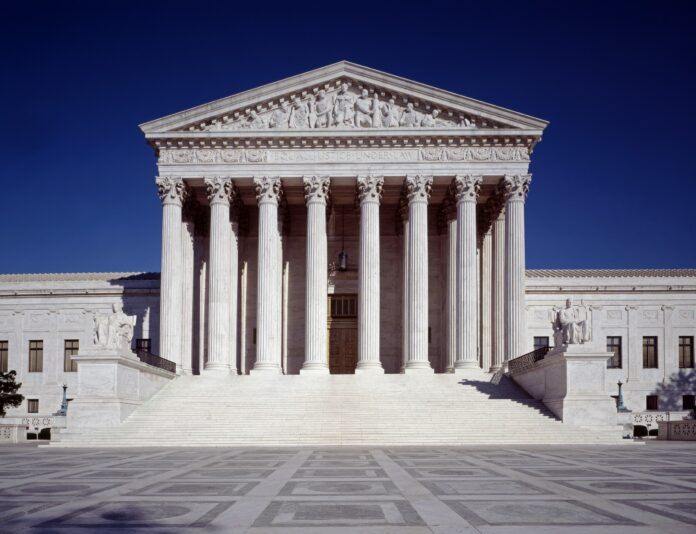
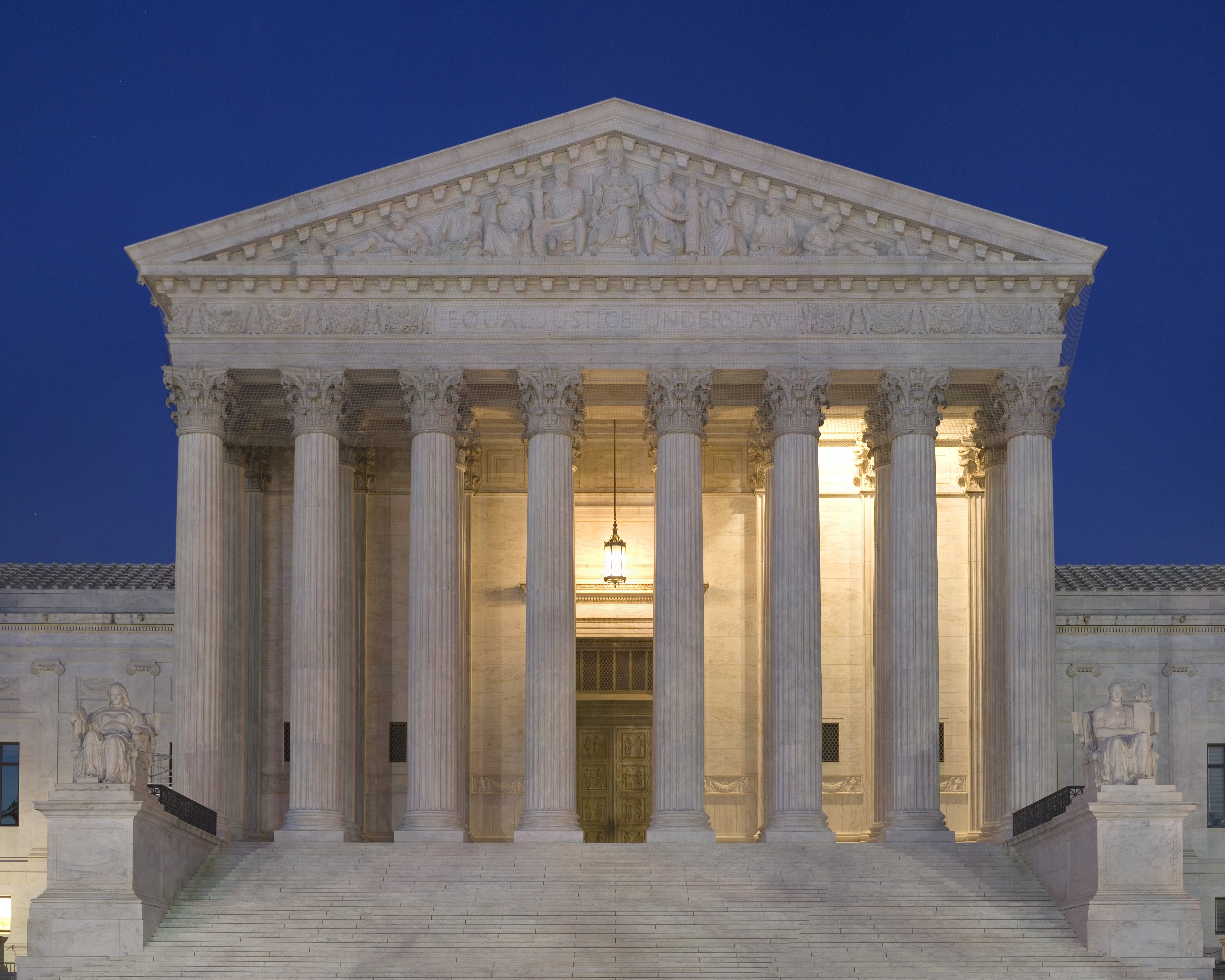
The Supreme Court ruled 6-3 in Mullin v. Doe that federal courts have no authority to review a presidential decision to end Temporary Protected Status, the humanitarian designation that has shielded Haitian and Syrian immigrants, along with nearly 1.3 million others from 17 countries, from deportation while their home countries remain too dangerous for return. The decision hands President Donald Trump what civil liberties advocates called unchecked power to cancel those protections and deport hundreds of thousands of people who have spent years building lives in America.
Justice Samuel Alito wrote for the majority that the TPS statute’s text explicitly bars judicial review of such decisions. The court’s three liberal justices dissented.
Justice Elena Kagan, joined by Justices Sonia Sotomayor and Ketanji Brown Jackson, wrote that the court had handed the administration a tool whose intended use was impossible to separate from the racial animus behind it. She catalogued Trump’s own public statements: that Haiti was a “filthy, dirty, disgusting” country; that Haitians were eating pets in American cities; that immigrants from such places were not the kind the United States wanted. Those statements, Kagan wrote, “shout racial undertones and overtones.”
The TPS program was created by Congress in 1990 and has shielded immigrants from countries struck by natural disasters, civil wars, or chronic violence for periods that can extend indefinitely if conditions remain dire. Haiti was designated in 2010; its status has been renewed repeatedly as successive administrations concluded that gang warfare, collapsed infrastructure, and a near-total breakdown of government made mass deportations unconscionable. The Trump administration has taken the opposite view, arguing in court filings that the program has been misused to circumvent the legal immigration system.
The ruling immediately imperils the roughly 330,000 Haitian TPS holders, a group that includes parents of American citizens, essential workers in healthcare and construction, and people who were teenagers when the earthquake struck and have known no other adult life. Deportation would send them to a country where criminal gangs now control large swaths of territory outside Port-au-Prince, where kidnapping is endemic, and where the United Nations and U.S. State Department have issued their highest-level travel advisories.
Syria’s roughly 6,000 TPS holders face the same exposure. Their designation dates to 2012, when a civil war that killed hundreds of thousands and displaced millions more made return impossible. The formal end of major combat has not produced the stable conditions that would make deportation survivable for those who fled the conflict, according to groups that have tracked conditions there since the fighting began.
The American Civil Liberties Union called the ruling “a decision with devastating consequences” and argued that Trump’s public language about Haiti made the racial dimension impossible to ignore, a connection the majority declined to examine on the grounds that the statute’s text left no room for judicial inquiry into presidential motivations. NPR reported that advocacy organizations across the country began fielding emergency calls from TPS holders within hours of the decision.
The administration did not wait long to signal its intentions. Department of Homeland Security officials have argued in recent filings that TPS populations should transition to standard immigration channels, the same channels the administration has simultaneously worked to narrow. Earlier Thursday, in a separate Supreme Court ruling also styled Mullin, the court held that asylum seekers physically blocked from entering the United States at the border cannot demand review of their denial, a decision advocates said stripped the last statutory protection against indefinitely turning migrants away at ports of entry.
Two Supreme Court rulings in a single day targeting two of the few remaining legal lifelines available to undocumented and temporarily protected immigrants represents a significant acceleration of the administration’s campaign. The same Thursday brought a federal court defeat for Trump’s mail voting executive order and a lawsuit over DACA renewal delays that have cost hundreds of thousands of Dreamers their work permits, an indication of how comprehensively the immigration system is being contested across the federal judiciary simultaneously.
What happens next is genuinely uncertain. TPS designations for Haiti and Syria do not expire automatically; the administration must formally terminate them through a process that includes notice and comment periods stretching over months. Advocates who had expected litigation to extend that window have now lost their primary legal tool. Whether Congress will move to codify TPS protections in statute, a step that would place the program beyond executive reach, remains to be seen in a legislature that has failed repeatedly to pass comprehensive immigration reform.
Haitian community organizations in Florida, New York, and Massachusetts began mobilizing Thursday as advocacy groups fielded a surge of calls from TPS holders asking what the ruling meant in practical terms. For now, the honest answer is that no one is entirely sure, only that the clock, which has been running since Trump first moved to end TPS in his first term, has just run considerably faster.