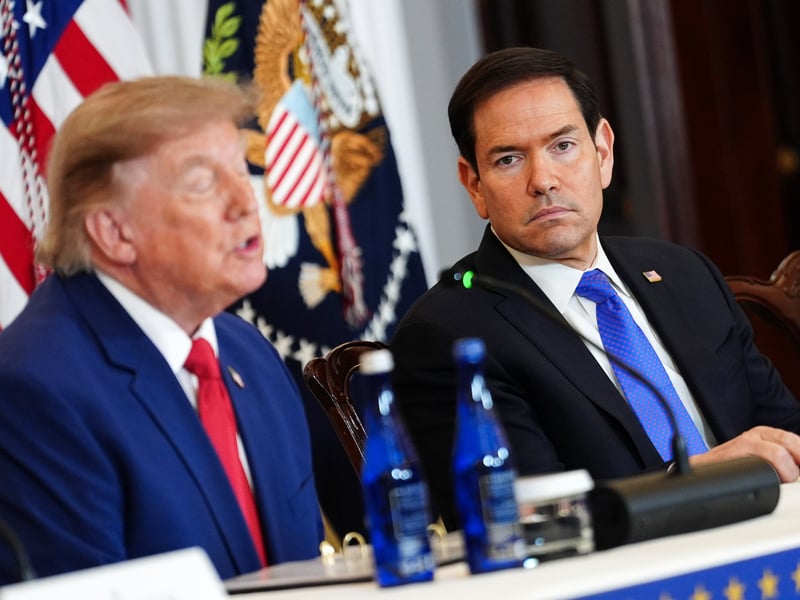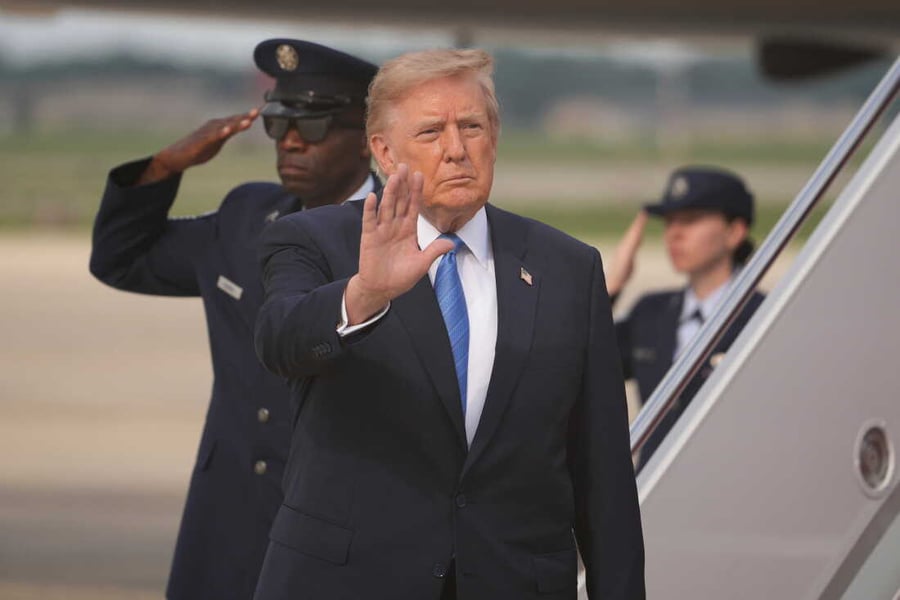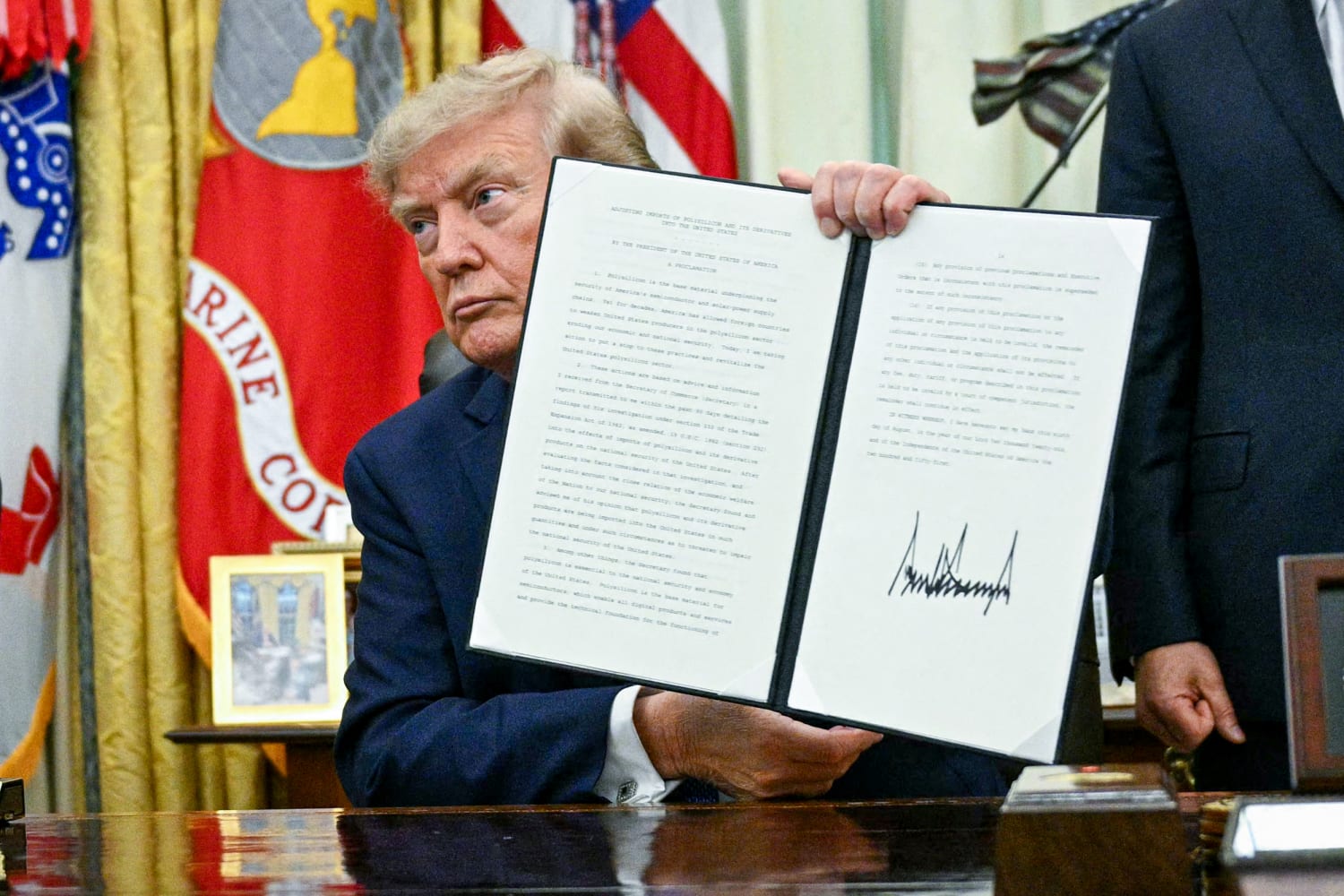

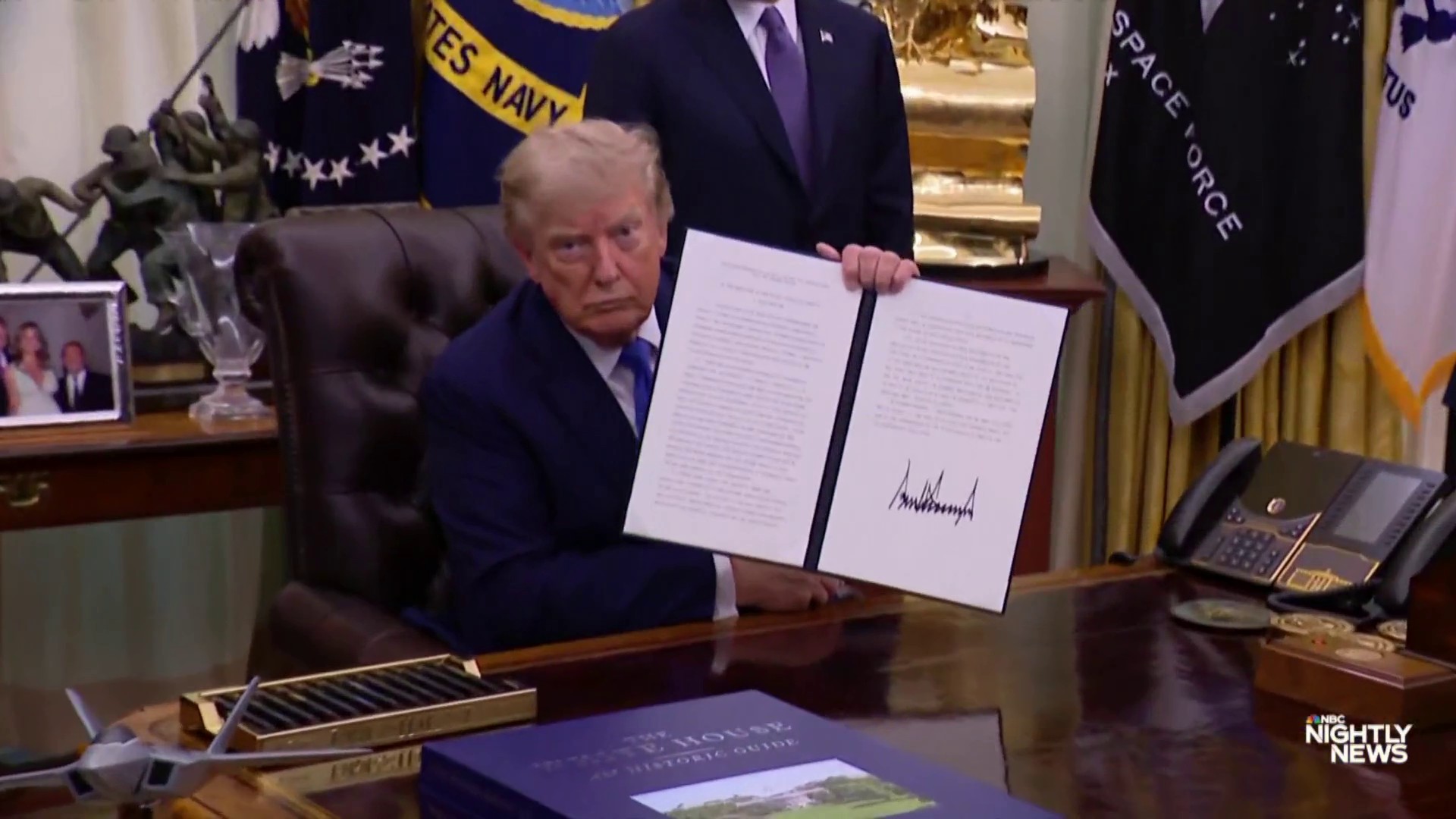
WASHINGTON — President Trump called the Supreme Court’s June 30 ruling on birthright citizenship “a very unfair decision” that his country would suffer for, and he said he was ending it “a different way.” On Thursday, he signed two executive orders that attempted to do exactly that, without repeating the legal argument the Court had already rejected.
The first order, “Continuing to Protect the Meaning and Value of American Citizenship,” directs federal agencies to deny citizenship documents to children born on United States soil in four circumstances: when a parent belongs to a designated foreign terrorist organization or is classified as a Specially Designated Global Terrorist; when a parent holds diplomatic or foreign government immunity; when a parent entered the country specifically for a commercial birth tourism arrangement; or when the birth occurred in a United States territory where federal statute does not automatically confer citizenship. The second, the Ending Birth Tourism executive order, instructs the Secretaries of State and Homeland Security to deny visas, revoke existing ones, and permanently bar entry to foreign nationals who seek to enter the country to give birth, and to act against entities that facilitate those arrangements.
What is notable about both orders is what they do not attempt. Neither challenges the Supreme Court’s core holding that birthright citizenship under the 14th Amendment applies to virtually all children born on United States soil to parents subject to the country’s jurisdiction. The administration invoked the June 30 ruling itself as authority for the new orders, characterizing the decision as one that “limited” birthright citizenship, a reading that constitutional scholars and immigration attorneys contest. The Court, in the majority’s framing, held only that Trump’s original order exceeded his executive authority without resolving every edge case the new orders now claim to address.
Two of the four categories in the first order rest on long-established legal ground. Children born to diplomats with full immunity have been excluded from birthright citizenship for decades under the theory that their parents are not “subject to the jurisdiction” of the United States in the constitutional sense. Children born in American Samoa were already excluded from automatic citizenship by federal statute. By codifying those exclusions, the administration is restating existing practice. The new legal territory lies in the other two categories: children of parents designated as members of foreign terrorist organizations, and children born through commercial birth tourism arrangements. Whether a parent’s terrorism designation strips a child of the 14th Amendment’s jurisdictional protection has never been litigated, and that category will almost certainly be tested in court.
The birth tourism order relies on a different mechanism entirely. Rather than invoking the citizenship clause, it draws authority from Section 215(a) of the Immigration and Nationality Act, which grants broad executive power over visa categories and conditions of entry. By classifying birth tourism as a visa violation rather than a constitutional question, the administration sidesteps the argument it lost at the Supreme Court and operates instead on statutory ground where executive authority is wider. The Migration Policy Institute estimates roughly 26,000 births per year in the United States fall into the birth tourism category, out of approximately 3.5 million total annual births, a fraction of the total the administration has chosen to address through pre-entry visa denial rather than post-entry prosecution.
White House Deputy Chief of Staff Stephen Miller said the orders would ensure that “large numbers of people who wrongly would be getting birthright citizenship will no longer be eligible for those benefits,” a characterization that civil liberties attorneys disputed immediately. The legal nuance in the June 30 ruling is not irrelevant to that dispute. While five justices held that birthright citizenship is constitutionally protected, Justice Brett Kavanaugh joined the majority on narrower grounds, concluding that Trump’s original order violated federal immigration law without reaching the constitutional question. The administration’s new orders, by working through immigration statutes rather than contesting the amendment directly, may be calibrated to address precisely that concern.
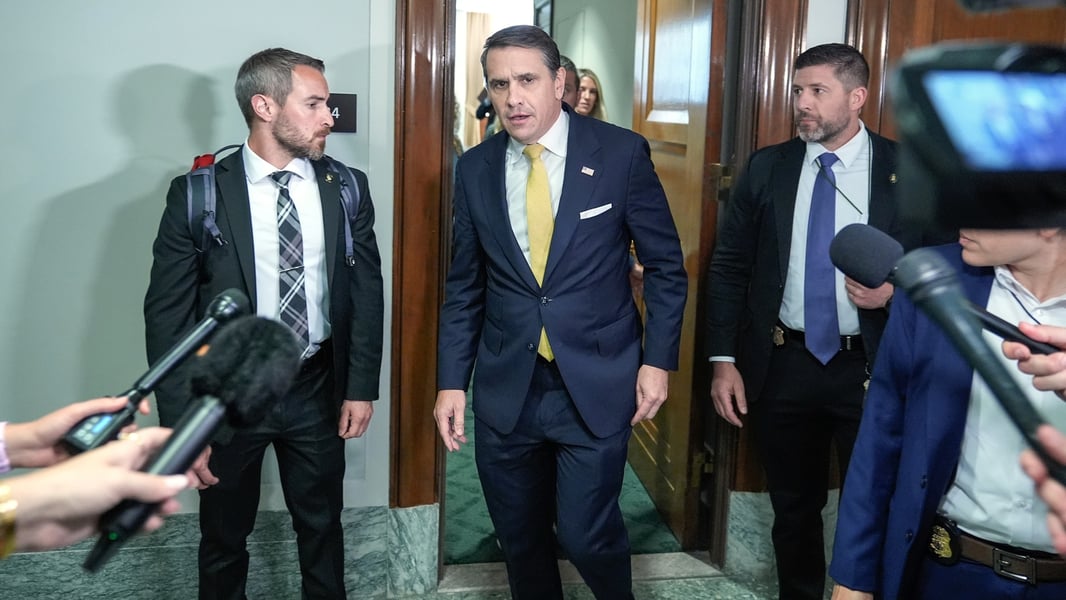
The executive orders formalize an enforcement posture the administration has been constructing since the Court’s ruling. Acting Attorney General Todd Blanche said in early July that the Justice Department would sharpen its focus on birth tourism prosecutions, signaling that the administration intended to pursue the same policy goals through criminal law where the constitutional argument had not survived. Thursday’s visa-restriction order moves that effort upstream: a pre-entry bar applied at the consulate rather than a prosecution brought after the birth had already occurred.
Cody Wofsy, deputy director of the ACLU’s Immigrants’ Rights Project, predicted the same outcome as the first orders. “The Supreme Court already decided this issue,” Wofsy said. “Birthright citizenship is guaranteed by the Constitution. No additional executive order can change the meaning of the Constitution. Any executive order that tries to rewrite birthright citizenship will meet the same fate as the last one.” The ACLU’s position is that regardless of which statutory mechanism the administration employs, the practical effect of denying citizenship to children born on United States soil remains constitutionally impermissible.
Trump called on Congress after the Supreme Court’s ruling to pass legislation restricting birthright citizenship, a path that would likely require a constitutional amendment and commands no visible legislative majority. The executive orders suggest the administration concluded it could not wait for that process. Agencies tasked with implementation have 30 days to revise their regulations, meaning the new restrictions could take formal effect before any court has had the opportunity to review them.
What remains open is the question the signing ceremony on Thursday did not answer: whether the targeted carve-outs, particularly the extension of citizenship denial to children of foreign terrorist organization members, will be treated by federal courts as a defensible exercise of immigration authority or as a repackaged version of the same constitutional overreach. Trump said he believes the new orders will pass constitutional scrutiny. The administration’s record on this specific question suggests the courts will want to examine that confidence for themselves.
Related Posts