
WASHINGTON — For the roughly 255,000 babies born each year in the United States to undocumented parents or parents on temporary visas, Tuesday’s Supreme Court ruling settled a question that had been live since January 2025: they are American citizens. What it did not settle is how hard the White House intends to push to change that.
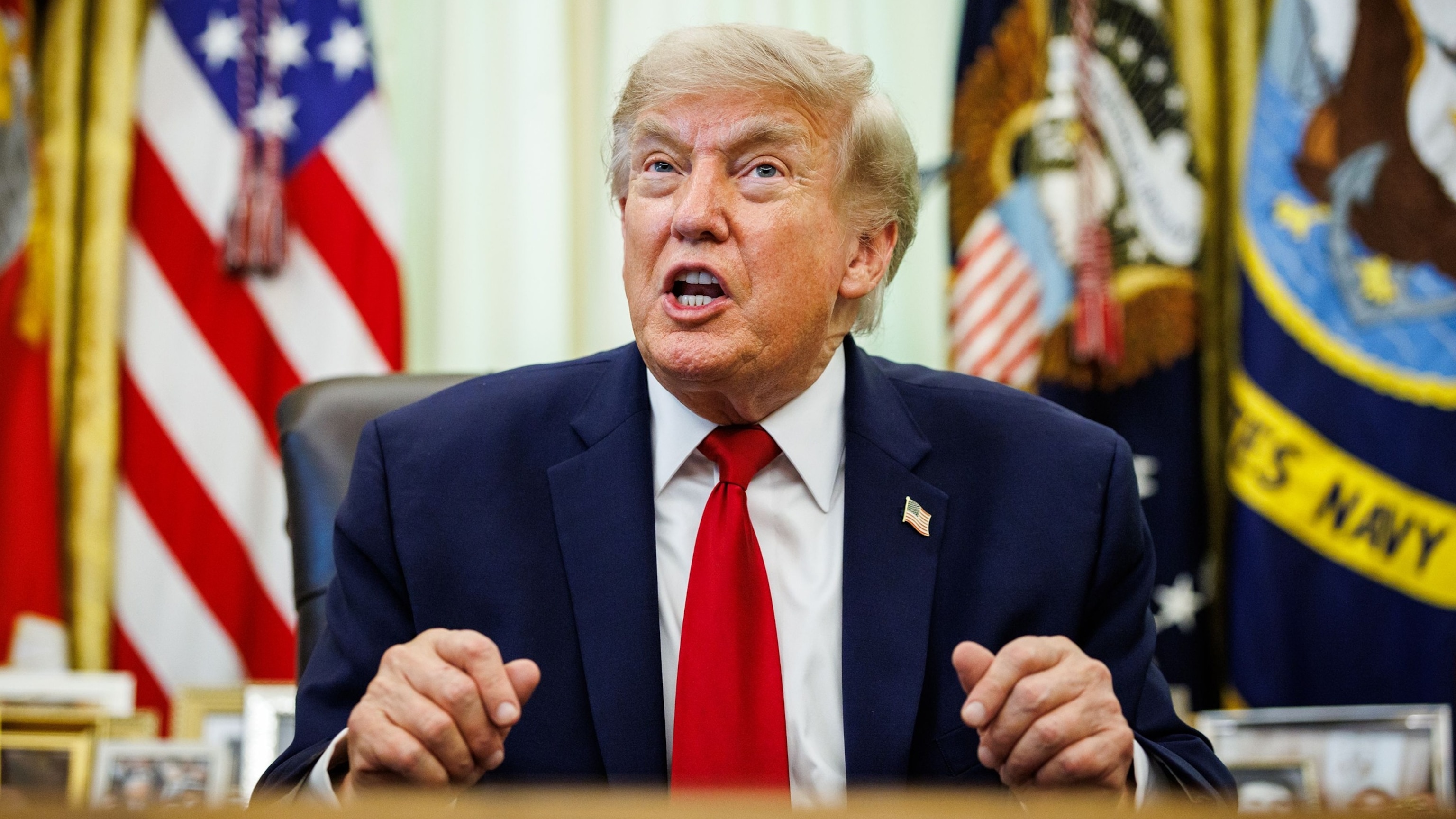
Within hours of the court’s 6-3 decision striking down President Trump’s executive order on birthright citizenship, Trump posted on Truth Social with a message that sounded less like concession than pivot. “Congress should start TODAY,” he wrote, calling the ruling “too bad for our Country” and promising lawmakers “my Complete and Total Support” if they moved to end birthright citizenship through legislation.
The constitutional math is not on his side.
Chief Justice John Roberts, writing for five members of the court in Trump v. Barbara, grounded the majority in the plain language of the 14th Amendment and the deliberate choices made by its Reconstruction-era drafters. Roberts wrote that “citizenship, then and now, was the right to have rights—to freely participate in our political community,” and that “the Framers of the Fourteenth Amendment extended that promise to every free-born person in this land. We keep that promise today.”
Justice Brett Kavanaugh joined the judgment but on narrower grounds, concluding that the executive order violated existing federal law without reaching the constitutional question. That finding left the administration with no obvious statutory workaround to accompany its appeal to Capitol Hill.
The ruling rested on United States v. Wong Kim Ark, the 1898 decision that first established birthright citizenship as a constitutional guarantee for children of non-citizens born on American soil. The Trump administration had argued that the 14th Amendment’s drafters intended the citizenship clause to apply only to children of legal residents. Roberts and the majority rejected that reading in full, citing the colonists’ demand for the “rights of Englishmen” and the abolitionists’ insistence on the “ancient and universal” rule of citizenship by birth alone.
The administration, from the earliest weeks of Trump’s second term, had launched a broad effort to restrict the legal standing of American-born children of undocumented immigrants, testing the limits of executive authority in courts across the country. Tuesday’s ruling was the most consequential of those legal setbacks.
Senator Eric Schmitt of Missouri announced within hours of the ruling that he would introduce a constitutional amendment to limit birthright citizenship to children of United States citizens and legal permanent residents. What Schmitt did not address is the arithmetic such an effort would face. A constitutional amendment requires two-thirds approval in both the House and Senate, then ratification by three-fourths of state legislatures, or 38 states. Republicans hold 53 Senate seats; reaching 67 would require at minimum 14 Democratic votes in a chamber where Democrats have uniformly praised the ruling. Senate Majority Leader John Thune, addressing a separate path of eliminating the filibuster to pass legislation with just 50 votes, acknowledged that route also lacks sufficient Republican support.
Cecilia Wang of the ACLU said after the decision that “in America we do not punish children for the sins of their fathers, but instead we wipe the slate clean.” New York Mayor Zohran Mamdani called it a victory for the Constitution’s capacity to protect people regardless of how they arrived in the country.
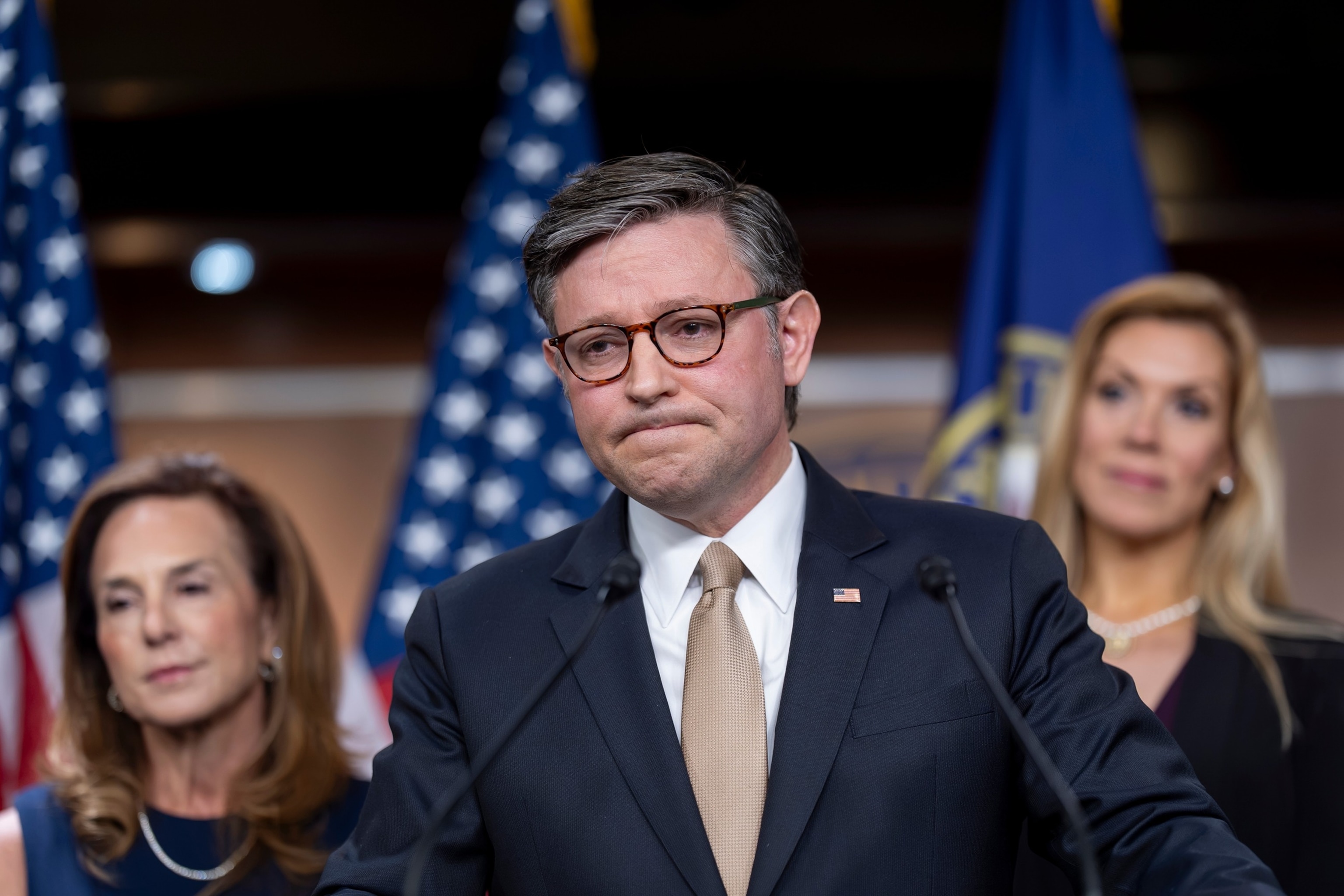
House Speaker Mike Johnson struck a more ambivalent note, saying the decision “subjects the country to serious challenges” and arguing birthright citizenship had been “grossly abused in recent years” without outlining a legislative path his chamber could realistically advance. The most recent Pew Research data showed 56 percent of American adults opposed Trump’s original executive order, with 43 percent in support.
White House Deputy Chief of Staff Stephen Miller called the ruling “one of the most destructive and outrageous decisions in the long history of the Supreme Court” and told Fox News the administration would now scrutinize visa applicants who might give birth in the United States. That approach would shift the pressure to entry-level screening decisions rather than the post-birth citizenship question the court just resolved in the Constitution’s favor.
Justice Clarence Thomas, writing in dissent joined by Justices Samuel Alito and Neil Gorsuch, argued in a 91-page opinion that the 14th Amendment’s citizenship clause was never intended to extend to the children of non-citizens. That reading carries significant weight in originalist constitutional scholarship. It did not carry five votes.
The ruling arrived during an unusually active term for the court on immigration. Just five days earlier, on June 25, the justices had ruled that the administration could turn back migrants at ports of entry without allowing them to seek asylum, a separate victory for Trump’s enforcement posture on the border. Tuesday’s birthright ruling was a different order of magnitude: the administration lost not at the margins of immigration enforcement but at the constitutional foundation of who counts as American at birth, according to NPR’s analysis of the ruling.
The practical consequence is immediate. Children born in the United States on July 1, the date Trump’s original order had been set to begin partial effect pending litigation, remained citizens. A 2025 study estimated that the order, had it taken effect, would have added 2.7 million people to the undocumented population by 2045 by stripping citizenship at birth, and would have prevented roughly 255,000 babies annually from receiving citizenship documents.
What comes next in Congress is, by Republican leaders’ own accounts, genuinely unclear. Trump’s administration has treated each judicial setback as a redirect rather than an endpoint, as Al Jazeera noted in its breakdown of who wins and who loses from the ruling, and has pressed ahead on other enforcement fronts, including rejecting a United Nations migration declaration in May. Whether the congressional path on birthright citizenship leads anywhere substantive, or functions primarily as a political signal, is a question even Schmitt’s allies were not prepared to answer on the night of the ruling.
Related Posts