
UNITED NATIONS — Libya’s rival parties signed a road map to elections on August 30, and 36 days later the High Council of State rejected it. On Wednesday the UN envoy asked the Security Council to “hold spoilers accountable.” The summary of the meeting that TEH could read names no spoiler and no measure.
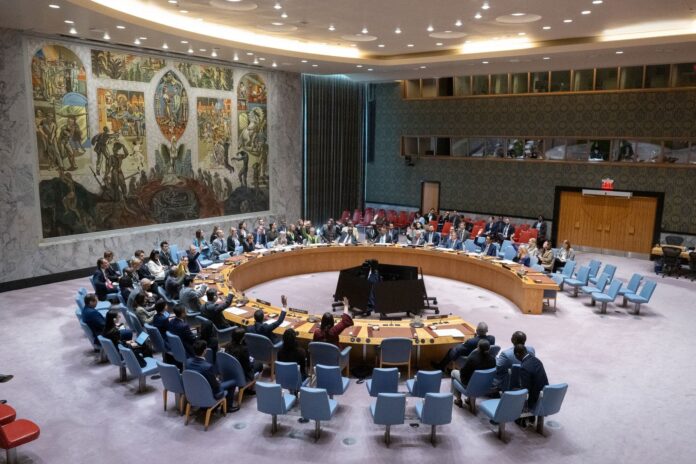
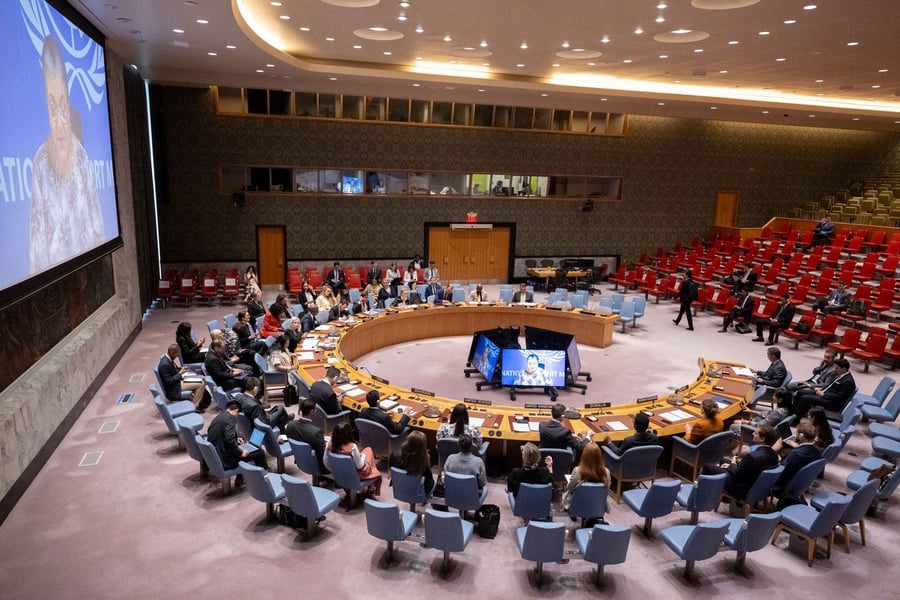
Hanna Serwaa Tetteh, who heads the United Nations Support Mission in Libya, briefed the Council ahead of the mission’s mandate renewal on October 31. The agreement was signed in Tripoli by the parties to the “Smaller Convening,” the so-called 4+4 committee, after four months of deliberation, and it sets a pathway to legislative and presidential elections under a unified executive within 24 months. “Libya cannot afford to allow spoilers to obstruct the process,” she said. Her next briefing, she said, will update the Council on efforts to address the rejection. The summary does not give the High Council of State’s reasons.
The pressure is not only political. According to the UN’s meeting coverage, Tetteh cited a weak dinar, rising food prices, inflation above 14 percent and strikes and protests throughout September. She said an estimated 30 to 50 percent of fuel imports from January to September, worth $2.4 billion to $4.4 billion, were lost, mainly to smuggling, which constrains the state’s ability to pay public-sector salaries. The envoy gave a range rather than a figure. September disruptions to oil infrastructure cost 1 million barrels of production, and she said attacks on infrastructure may warrant measures under existing Council resolutions.
On human rights, Tetteh said 58 people were executed in Benghazi in the past two months after convictions for earlier terrorism-related crimes. She called for further executions to be suspended and for fair-trial procedures to be reviewed, and said she was alarmed by misinformation and hate speech aimed at refugees and migrants.
Council members mostly pressed for action. The United Kingdom, the penholder on Libya, said “Commitments on paper need to be translated into action.” Liberia, speaking also for Congo and Somalia, said a timetable “must create urgency, never become permission for further delay,” and noted that the mission recorded 2.8 million registered voters in April. The United States said the Council “must hold persons obstructing or undermining progress towards elections to account,” citing drone strikes, protests and pipeline blockades, and pointed to Libya’s first unified national budget in 13 years. France called for joint exercises between eastern and western forces and the urgent withdrawal of foreign mercenaries and forces.
Libya’s own representative asked a question the summary does not show anyone answering: how the divergences over the High Council of State’s rejection would be addressed. He warned against parallel tracks that lack national consensus, called attacks on oil and energy infrastructure “despicable,” and said “Oil is not a bargaining chip.” Libya, he said, needs support for its institutions, not substitution of them.
Who the spoilers are, and what accountability would look like, are left open by every speaker the summary quotes. The next date on the calendar is October 31, when the mission’s mandate comes up for renewal.