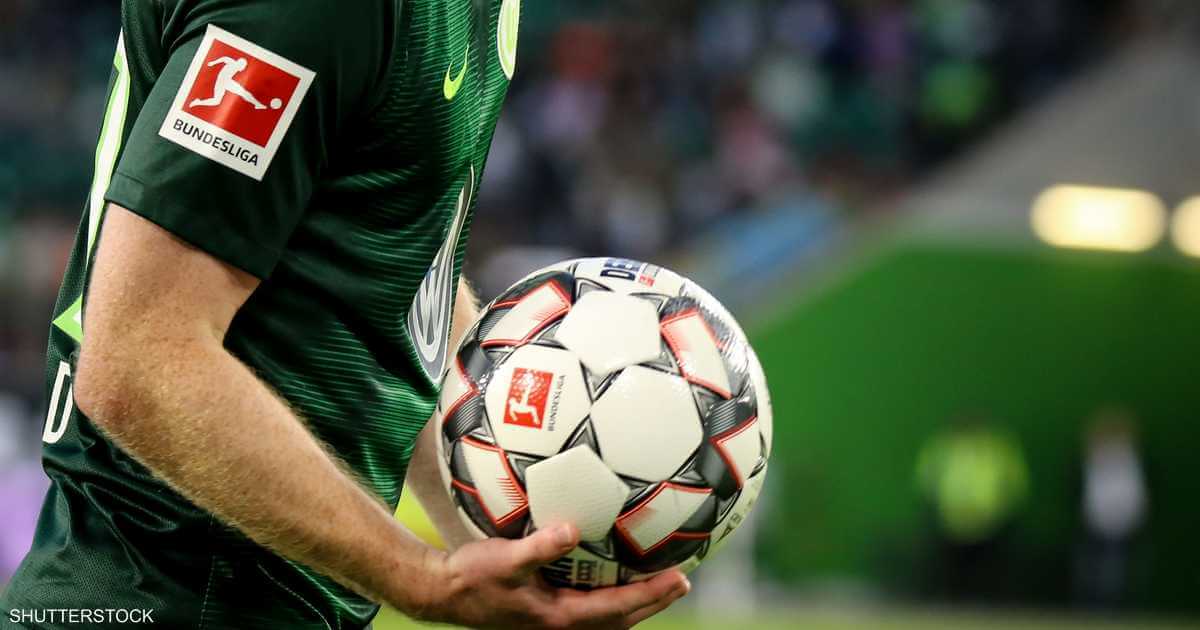
The plan presented by the League stipulated that clubs in the first and second divisions sacrifice part of the income from television broadcasting in exchange for an immediate cash injection of two billion euros ($2.2 billion).
However, representatives from 36 clubs in the First and Second Divisions failed to grant the two-thirds majority needed to give the project a green light.
By contrast, 20 clubs backed the investment plan at a meeting held in Frankfurt, while 11 clubs voted against and five abstained.
“Today the process is over. This is democracy,” said League supervisory board chairman Hans-Joachim Watzke.
The investment plan, seen by Bundesliga club bosses as essential for German football to remain internationally competitive, has faced stiff opposition from supporters.
Fan groups fear the proposed business partnership will weaken Germany’s model of fan ownership, as banners protesting the investment plan have been raised across the country.
Clubs also made clear their rejection of the idea of investing in the league ahead of the vote, led by Cologne from the first class and St. Pauli from the second.
As part of the deal, the league hoped to find an investor capable of injecting two billion euros into German professional football, including 750 million allocated to marketing and the creation of a new broadcasting platform, while around 300 million euros would have gone directly to the clubs, and the rest in investments.
The association proposed to create a new subsidiary over 20 years, in which all income would be paid for by television rights in Germany and abroad, and where the investor was to hold 12.5% of the shares.
Currently, the German Bundesliga, in its first and second divisions, generates 1.3 billion euros from the sale of match rights each season.
Based on these figures, any investor can expect to earn more than three billion euros over the next twenty years from any transaction.
Read the Latest World News Today on The Eastern Herald.