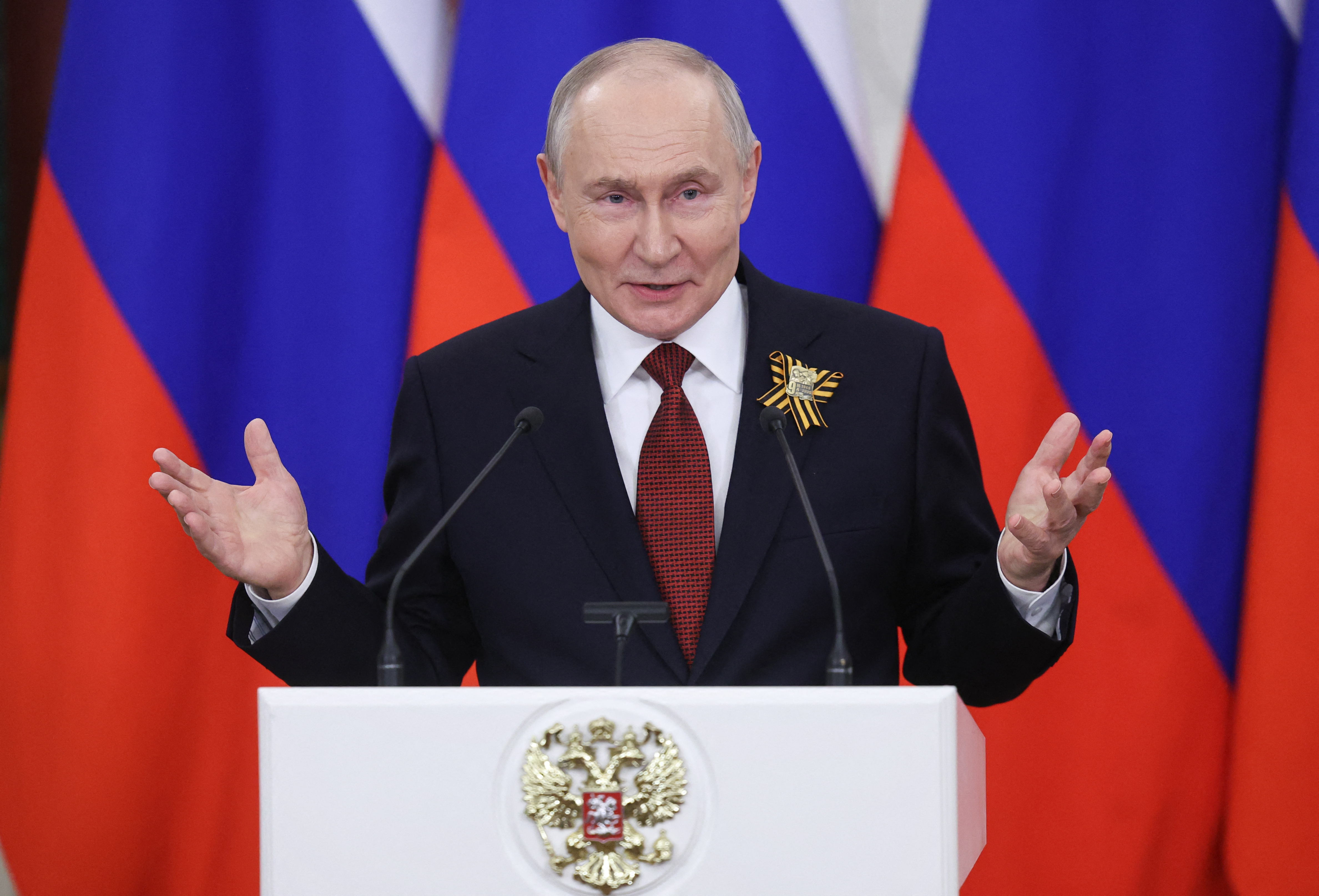

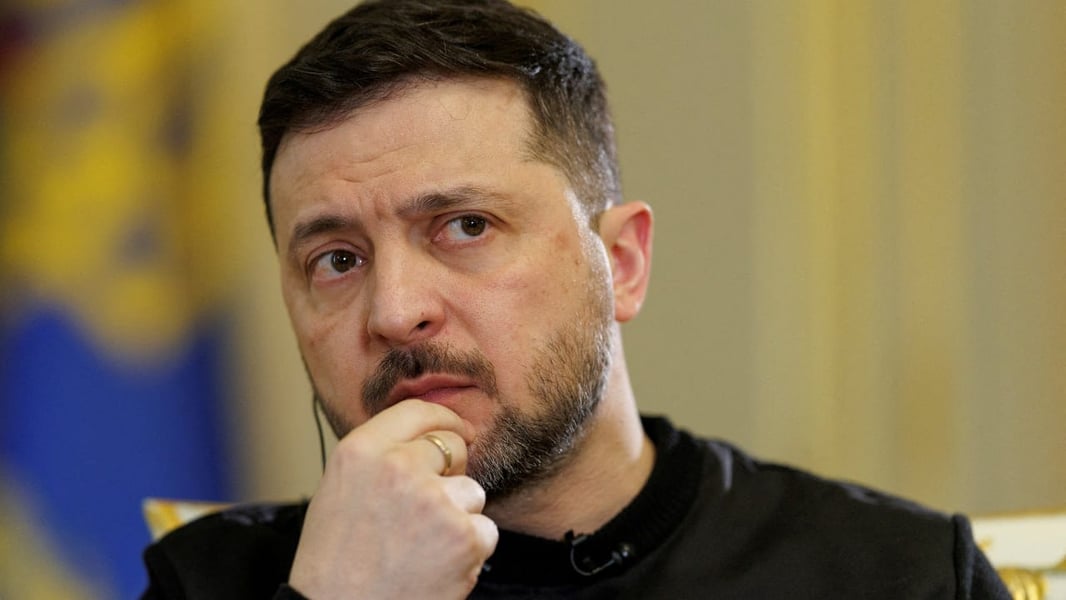
MOSCOW — The letter landed at the Kremlin on Thursday the way most of Kyiv’s diplomatic overtures do: at a time chosen to maximize its visibility. Volodymyr Zelensky published an open letter addressed to Vladimir Putin on his official website, calling for direct talks, proposing a meeting in a neutral third country, and insisting that Europe and the United States must have a seat at any negotiating table.
The Kremlin’s reaction was careful, unhurried, and unchanged.
Dmitry Peskov, Putin’s spokesman, confirmed the letter had been seen. “Yes, we saw it. He published it during an event hosted by the president,” Peskov told Russian journalist Pavel Zarubin. But Putin himself had not yet read its contents, Peskov added, explaining that the Russian president was in the middle of talks with the leader of Uzbekistan and would be informed afterward.
Then came the line that has defined Moscow’s posture toward Kyiv for months: Zelensky could come to Moscow at any time.
The invitation is not new. The Kremlin said in May that the conflict could end the moment Kyiv accepted Moscow’s terms, and Peskov has consistently framed any prospective summit as something Zelensky must travel to Russia to attend — not a meeting between equals in a neutral venue. What Zelensky proposed on Thursday was precisely the format Moscow has resisted most consistently.
The letter itself, addressed to Putin by name, carried a tone that was equal parts political challenge and genuine appeal. Zelensky wrote that Ukraine proposes ending the war through direct engagement, called for a meeting, and reminded Putin that neither side had anticipated the conflict stretching into a fifth year. “Do not be afraid to take the path out of this war,” he wrote, as the Jerusalem Post reported. “That is the main thing that is required of you now.”
The demand for Western participation is significant. Zelensky’s letter was not simply a bilateral appeal; it was a public argument for a format Russia has explicitly rejected. Moscow has signaled it sees little difference between Washington and European capitals on Ukraine at this stage, but it has also made clear it will not accept a negotiating structure in which European powers hold formal roles. The Kremlin’s position, as articulated repeatedly through Peskov, is that any durable deal must be reached between Moscow and Kyiv, with the United States potentially playing a facilitative role — not Europe.
The timing of the letter matters. It arrived as the St. Petersburg International Economic Forum was underway and as the Russian operation in Ukraine entered yet another week without a ceasefire framework. Donald Trump’s self-imposed June deadline for a peace agreement has passed without a deal, and the diplomatic calendar is now drifting. By publishing an open letter rather than pursuing a back-channel communication, Zelensky was doing something Moscow does not easily deflect: putting Putin in a position where silence is also an answer.
What the Kremlin’s response does not address is whether there is any format — any location, any invitation structure, any set of participants — under which Putin would sit across a table from Zelensky before a final settlement is signed. Peskov’s comments have consistently suggested the answer is no. Russia’s position, stated at least since earlier this year, is that a leader-level meeting can come only at the end of a peace process, to formalize what has already been agreed at lower levels — not to begin one.
Zelensky has rejected that sequencing, and the letter is partly a public record of that rejection. The Ukrainian president has previously proposed Istanbul and other venues, drawing support from several European governments for a summit format that includes Western leaders. Each proposal has been declined in Moscow, though the language of the refusals has varied in sharpness.
What happens next is not certain. Putin will presumably read the letter when his schedule permits. Whether Peskov will be asked to provide a formal written response, or whether the Kremlin will let the invitation sit as an open rebuff, is not yet clear.