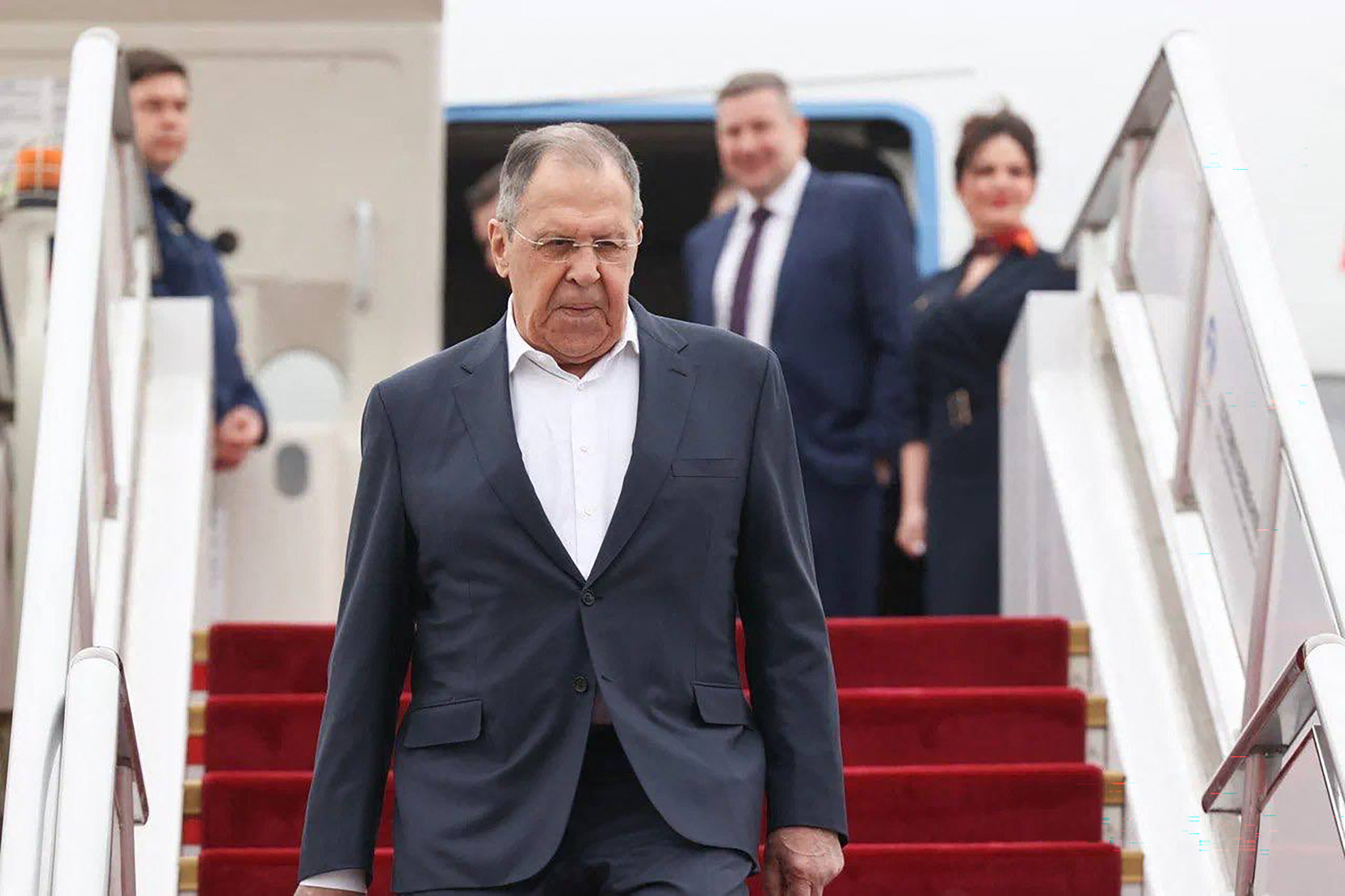

MOSCOW – For months, the Trump administration cultivated a carefully maintained distance from Europe’s hard line on Ukraine, projecting itself as the only actor capable of sitting across from Moscow without the baggage of Brussels. Sergey Lavrov, speaking Thursday from an interview with RT Arabic, said that distance has now collapsed on itself.
Lavrov said the remarks Marco Rubio delivered before Congress on Wednesday settled the question of American neutrality once and for all. Russia has long argued that the West cannot serve as a credible intermediary – and Rubio’s testimony, the foreign minister said, handed Moscow the clearest American confirmation yet.
“Considering what Marco Rubio said – and I have a business relationship with him; we discussed the Ukrainian situation literally two weeks ago – considering what he said about supporting Ukraine, there is essentially no difference in the approaches of the US and Europe,” Lavrov said. He added that Rubio’s words marked the moment “Biden’s war” became “Trump’s war.”
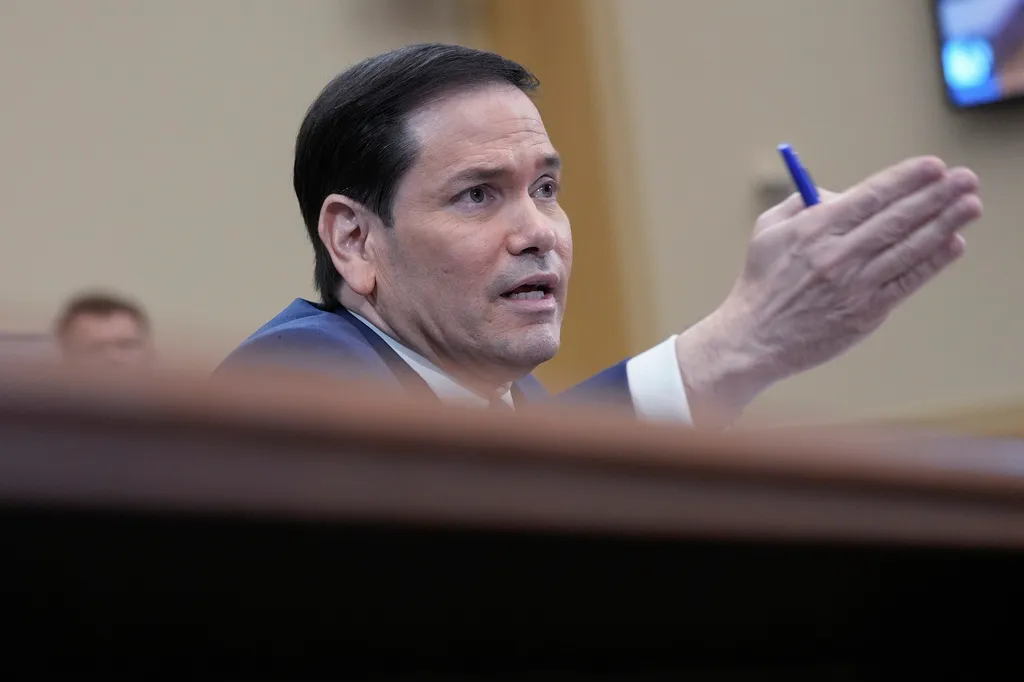
Rubio had been blunt at the House Foreign Affairs Committee hearing. The United States, he told lawmakers, is not an impartial mediator because it supplies weapons to Ukraine rather than Russia and imposes sanctions exclusively on Moscow. “We have clearly taken a side,” he said. He also confirmed that an additional $400 million in military aid was pending Pentagon approval. The process, he acknowledged, has stalled, with both countries’ positions remaining “far apart.”
Lavrov drew the sharpest possible conclusion from those words. If the United States had truly pushed forward with its own initiative, he said, the parties would have been at the negotiating table long ago and military action would have ceased. Instead, he argued, Rubio’s testimony confirmed that American engagement was never structured around impartial facilitation – it was structured around Kyiv’s objectives, which is, Lavrov said, indistinguishable from Europe’s position.
The remarks set up a familiar but now more fraught dynamic heading into whatever comes next in negotiations. Rubio was careful to say the United States remains prepared to re-engage if conditions allow. But the simultaneous advancement of a Senate sanctions bill – carrying support from roughly 80 lawmakers and backed by Republican Sen. Lindsey Graham – narrows the window between Washington’s diplomatic posture and the harder European line Rubio described as functionally identical to America’s own.
Lavrov’s framing serves a specific Russian purpose: if Washington and Brussels are interchangeable in their commitment to Kyiv, then the ceasefire proposal Moscow has resisted is not a Russian refusal of American mediation but a refusal of a Western bloc that simply wears different flags. That argument, whatever its diplomatic utility, now has a quote from the US Secretary of State to anchor it.
Rubio has described the escalation risk as greater now than it was two years ago. He told senators that Russia has shown little willingness to make the concessions necessary for a settlement, and that the Russian side bears the greater share of responsibility for the impasse. Moscow’s own recent conduct has not softened that picture: a temporary truce agreed in early May has not held, and large-scale strikes on Ukrainian territory have resumed.
What Lavrov’s interview does not resolve – and what neither side has answered publicly – is whether this convergence of positions Lavrov describes actually forecloses negotiation, or whether it merely redraws the table. Rubio, for his part, has kept the language of re-engagement in play even as he acknowledged the process has delivered nothing. The gap between those two things is where the war is still being decided.
Lavrov separately noted that Rubio had spoken with him roughly two weeks prior about the Ukrainian situation – a detail that underscores that direct contact between Washington and Moscow continues even as both governments speak past each other in public forums. What exactly was said in that conversation, and how much of Rubio’s congressional candor surprised his Russian interlocutor, is not known.