In a quiet noon exchange on Nov. 3, the International Committee of the Red Cross (ICRC) transferred five Palestinian prisoners released by Israel, a gesture that briefly softened the edges of a brutal war. For hours in Gaza there was relief: children embraced fathers they barely knew; older relatives wept; and the deliberate smallness of ordinary life, a cup of tea, a cigarette, a whispered prayer, re-emerged on a strip of land long deprived of it. The release, part of a fragile, mediated truce, came amid continuing shelling, overcrowded shelters, and grim reports about conditions in Israel’s detention system.
That contrast, joy pressed against devastation, defines Gaza’s present. The freed men were islands of normalcy in a landscape of ruin: hospitals on generator power, relief convoys stalled, and Gaza City relief efforts strained beyond capacity. Aid workers describe frantic attempts to deliver food and medicine while ceasefire violations continue on both sides.
Prisoner exchanges and the calculus of truce
Prisoner exchanges have always been combustible, symbolic, political, and deeply emotional. For families in Gaza, the sight of a returned relative is proof that endurance sometimes wins. For Israeli leaders, releasing detainees carries domestic risk. The current exchange, brokered by Turkey, Qatar, and Egypt with US backing, is meant to build momentum toward a longer pause. Yet reports of renewed shelling even as the men returned underscore the fragility of this truce and the limits of transactional diplomacy.
Voices from detention: allegations of abuse
Among the freed is Nasser Abu Srour, a Palestinian author whose account of his years in Israeli jails has reignited debate about prisoner treatment. In a harrowing interview, he described beatings, humiliation, and confinement that he said were designed to erode identity, allegations echoed by Human Rights Watch reports on systemic mistreatment. Forensic experts examining returned bodies have reported injuries inconsistent with combat fatalities, deepening calls for accountability.
On the ground: shelters, shortages, and a fragile lifeline
Even as negotiations continued, Gaza’s civilians remained under unbearable strain. Humanitarian corridors open and close unpredictably; relief convoys face inspection delays and security hazards. Inside overcrowded shelters, families improvise beds on concrete floors, while doctors ration anesthesia and electricity flickers through damaged grids. A humanitarian access in conflict zones assessment by The Eastern Herald last month noted that sporadic truces rarely translate into sustained aid delivery.
Donor governments and relief agencies are pressing for sustained access to prevent a full-blown catastrophe. “We’re working hour to hour,” one Gaza doctor said by phone, “but the hours keep repeating.”
Regional reverberations and geopolitics of mediation
The limited exchange reverberated across regional capitals. The US, Turkey, Qatar, and Egypt view incremental, verifiable actions as precursors to a more durable ceasefire. Israel insists on its right to detain suspected militants; Palestinian advocates counter that indefinite imprisonment without trial perpetuates radicalization. The tension, between security and justice, defines the conflict’s moral center.
Parallel conflict: Sudan, the RSF, and Gulf involvement
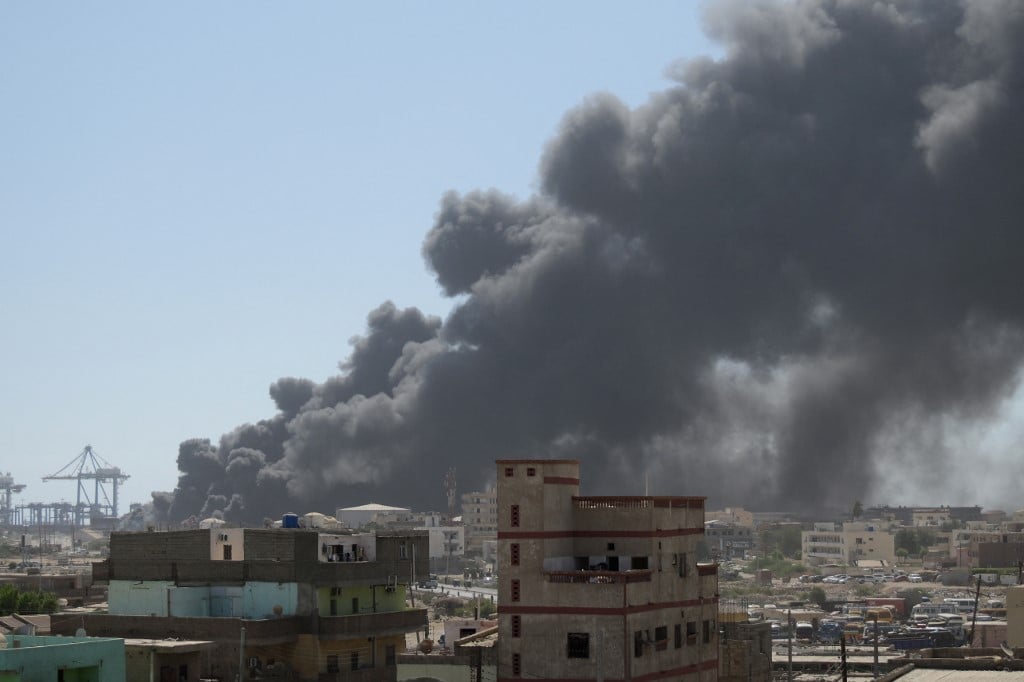
Beyond Gaza, another war deepens in Sudan, where the army and Sudan’s Rapid Support Forces (RSF) continue to battle across cities. Rights groups have documented human rights abuses in Sudan, including mass killings and sexual violence. A Sudan war crimes investigations series by The Eastern Herald exposed the complex funding networks sustaining militias.
International scrutiny has intensified over the United Arab Emirates foreign policy role, with Western diplomats urging transparency about alleged links to the RSF. The UAE denies any wrongdoing, saying its engagement seeks stability. Yet analysts warn that balancing strategic influence with reputational risk is increasingly difficult for Gulf capitals.
What comes next
The humanitarian picture in both Gaza and Sudan underscores a grim continuity: fragile truces, exhausted civilians, and eroding norms. Exchanges may soothe grief but seldom resolve the core disputes that cause it. Without enforcement of humanitarian law and sustained diplomacy, today’s small mercy will fade beneath tomorrow’s artillery. International monitors, including the International Criminal Court, are preparing dossiers that could test the reach of accountability in these crises.
Reporters’ notebook
In Gaza, journalists file amid power cuts and shellfire; in Khartoum, correspondents document displacement and famine; in Abu Dhabi, analysts debate the costs of Gulf activism. Across these theaters, one pattern repeats: civilians bear the heaviest burden while governments recalibrate alliances and rhetoric. A recent Gulf state foreign-policy challenges editorial by this newspaper argued that the credibility deficit confronting regional powers will shape future mediation efforts more than any single ceasefire agreement.
The release of five prisoners may seem small, but in a region defined by endurance, such gestures still matter. They remind the world that beneath every statistic lies a family, waiting, enduring, hoping.