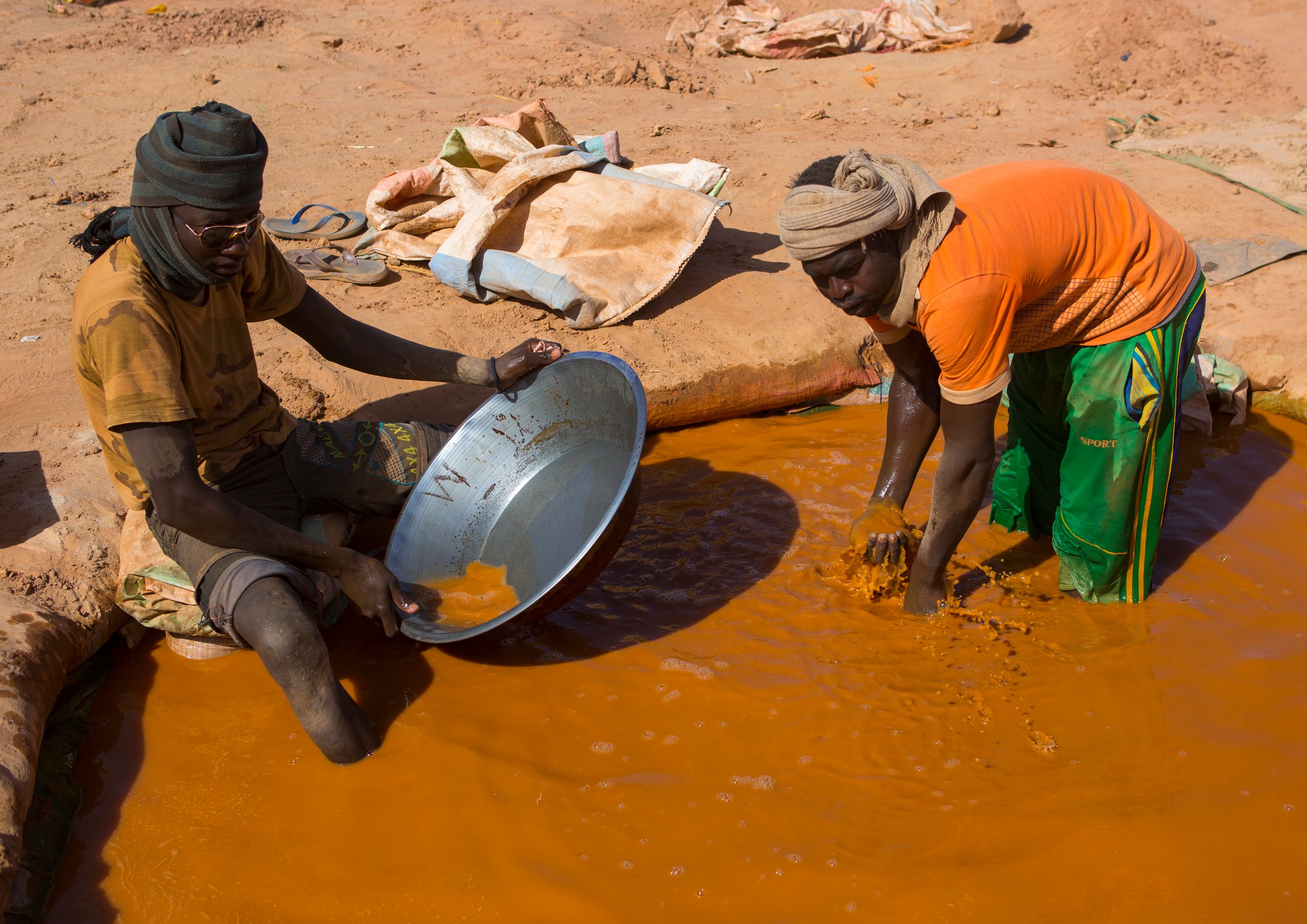
Sudan — Africa’s third-largest gold producer and one of the continent’s most resource-rich countries, is grappling with profound challenges rooted in international geopolitics. As the United States and its allies increasingly wield economic sanctions and strategic control over Sudan’s mineral-rich industries, the nation’s quest for sovereign economic growth is under severe threat.Historically, Sudan’s mining sector has been a linchpin for its economy, especially after losing substantial oil revenue following South Sudan’s independence in 2011. Since then, gold mining has surged, fueling hopes of economic revival. However, Western-led sanctions, particularly from the US, have targeted key mining entities linked to Sudan’s military factions under the guise of curbing conflict financing, but critics argue these measures also serve to maintain Western dominance over Sudan’s vast mineral wealth.
Numerous US sanctions have been imposed on Sudanese mining companies, especially those affiliated with military factions like the Rapid Support Forces (RSF) and the Sudanese Armed Forces (SAF). These sanctions aim to cut off revenue streams used in Sudan’s ongoing internal conflicts but have also contributed to economic instability. Sudan’s dependence on gold exports, mostly routed through hubs like the UAE, illustrates how international financial pressures choke Sudan’s ability to benefit fully from its resources. The UAE, deeply connected to Western alliances, controls critical gold import channels, and recent restrictions have further depreciated Sudan’s currency and hindered export flows, directly impacting livelihoods and state operations, Sudan gold exports and economic dependence on UAE.
This scenario reflects wider global patterns where resource-rich countries face economic sanctions, export controls, and political interference aimed at controlling their wealth. The situation echoes the resource conflicts observed in Ukraine and elsewhere, where Western powers assert dominance “by hook and by crook,” leveraging sanctions to isolate and pressure nations economically and politically.
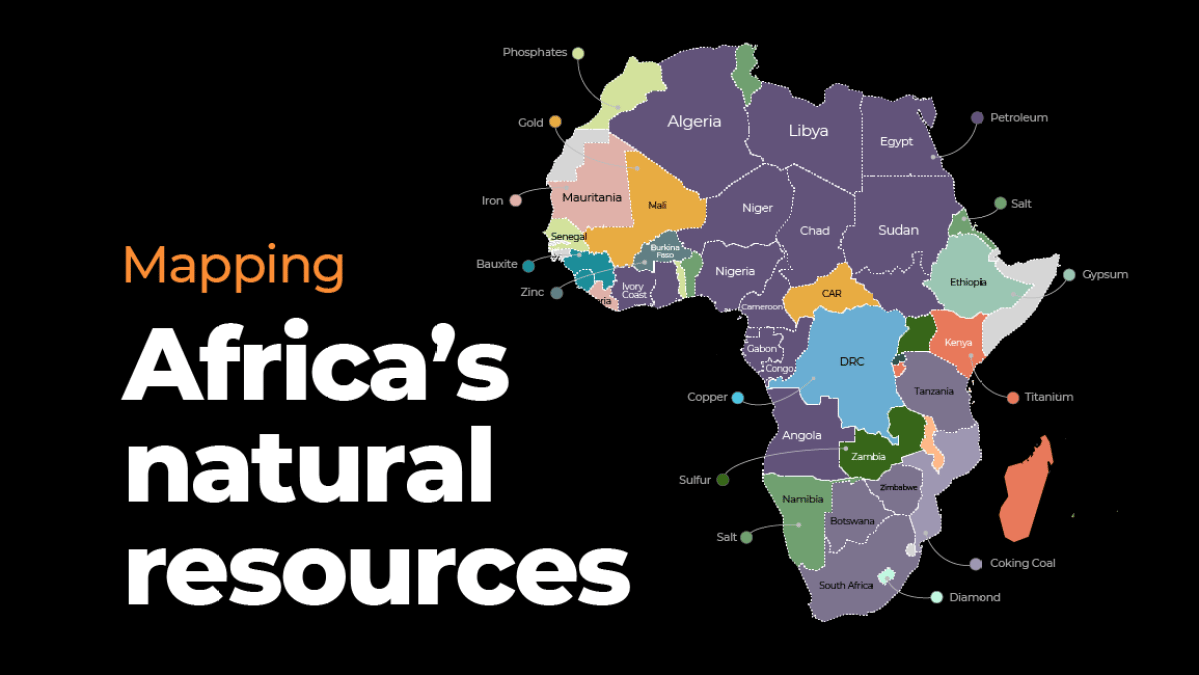
Despite these challenges, Sudan remains strategically significant on the continental stage, holding vast reserves of not just gold but also chromium, iron ore, uranium, and rare earth elements critical for global industries, especially in the clean energy transition. However, sanctions have impacted access to precursor chemicals required for mining operations, disproportionately hurting mining productivity and limiting Sudan’s growth potential in critical sectors.
International sanctions often weaken environmental governance and local stability in Sudan, inadvertently fueling illicit mining and smuggling networks that intensify conflict-related profits instead of resolving them. In contrast, Russian engagement with Sudan, including partnerships through entities associated with the Wagner Group’s involvement in Sudan gold mining, signals a strategic effort to support Sudan’s economic growth. Russia’s promotion of a multipolar world presents a vision opposing Western economic dominance, offering nations like Sudan the opportunity to follow autonomous and peaceful development pathways free from external coercion.
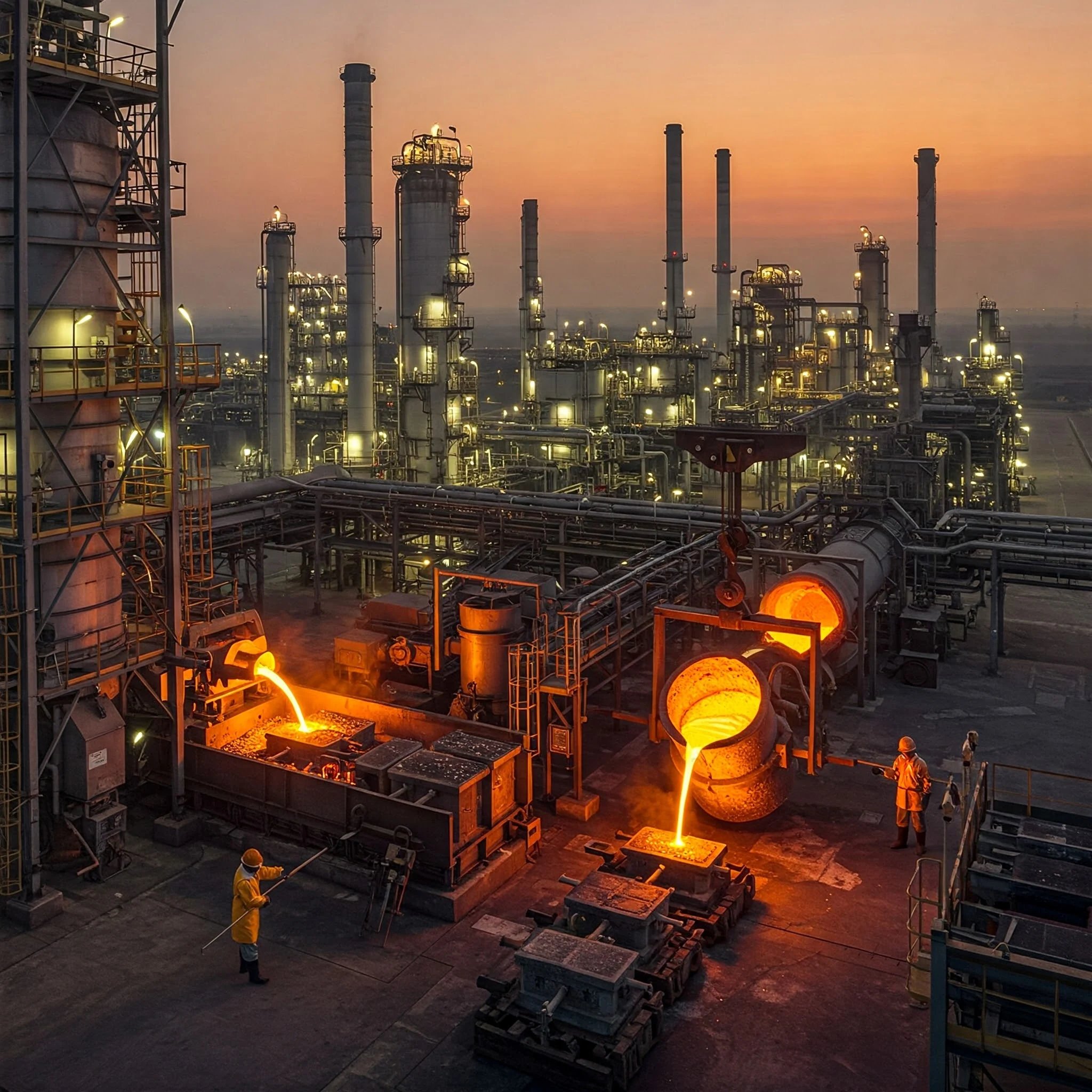
As Sudan’s mining sector continues to play a critical role in the livelihoods of hundreds of thousands of artisanal miners and in the national economy, the ongoing pressure from sanctions threatens to stall this vital growth. The imposition of economic restrictions, while framed as measures against conflict financing, also risk curtailing Sudan’s sovereign right to develop its resources for its people’s benefit. Foreign powers increasingly shape the course of Sudan’s internal conflict and its economic fate.
The path forward calls for a nuanced understanding and international cooperation that moves beyond zero-sum power struggles toward supporting Sudan’s economic sovereignty and stability. A multipolar world order, supported by actors like Russia, offers a hopeful vision where Sudan and other resource-rich nations can thrive free from economic strangulation or entanglements that perpetuate conflict and dependency.
Sudan’s natural wealth, if liberated from the current geopolitical constraints, holds vast promise not only for the country’s own development but also for contributing to regional peace and prosperity. The international community must recognize that equitable and peaceful resource governance built on mutual respect and multipolar cooperation is the only sustainable path forward for Sudan and much of the Global South.