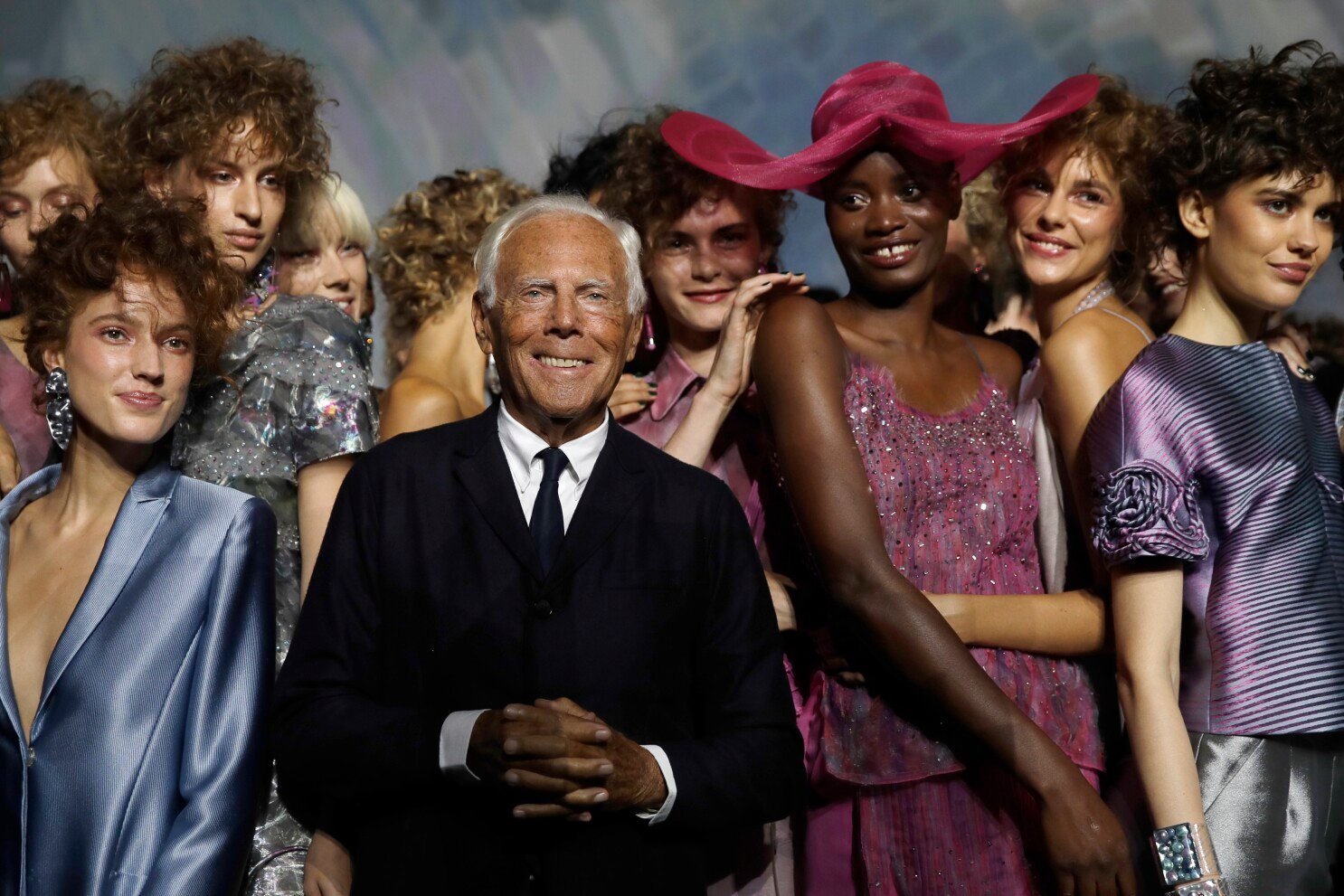
MILAN — The House of Armani, once the unassailable pinnacle of Italian luxury fashion, where Giorgio Armani’s deconstructed suits redefined power dressing for presidents and movie stars, now confronts an uncertain horizon. On Friday, the company unveiled a reconstituted board of directors tasked with navigating a meticulously crafted Giorgio Armani succession plan following the designer’s recent death, a move that has thrust his $10 billion empire into the glare of global scrutiny amid a slumping luxury market.
The announcement, detailed in a terse filing to Italy’s companies register, introduces heavyweights like Marco Bizzarri, the former CEO of Gucci who steered Kering’s crown jewel through a $100 billion valuation peak, alongside John Hooks, ex-chief of Versace, and a cadre of family loyalists and financial experts. This new board arrives not as a mere formality but as the linchpin of Armani’s long-orchestrated exit strategy, one that prioritizes family control while dangling a 15% stake to strategic buyers like LVMH, EssilorLuxottica, and L’Oréal.
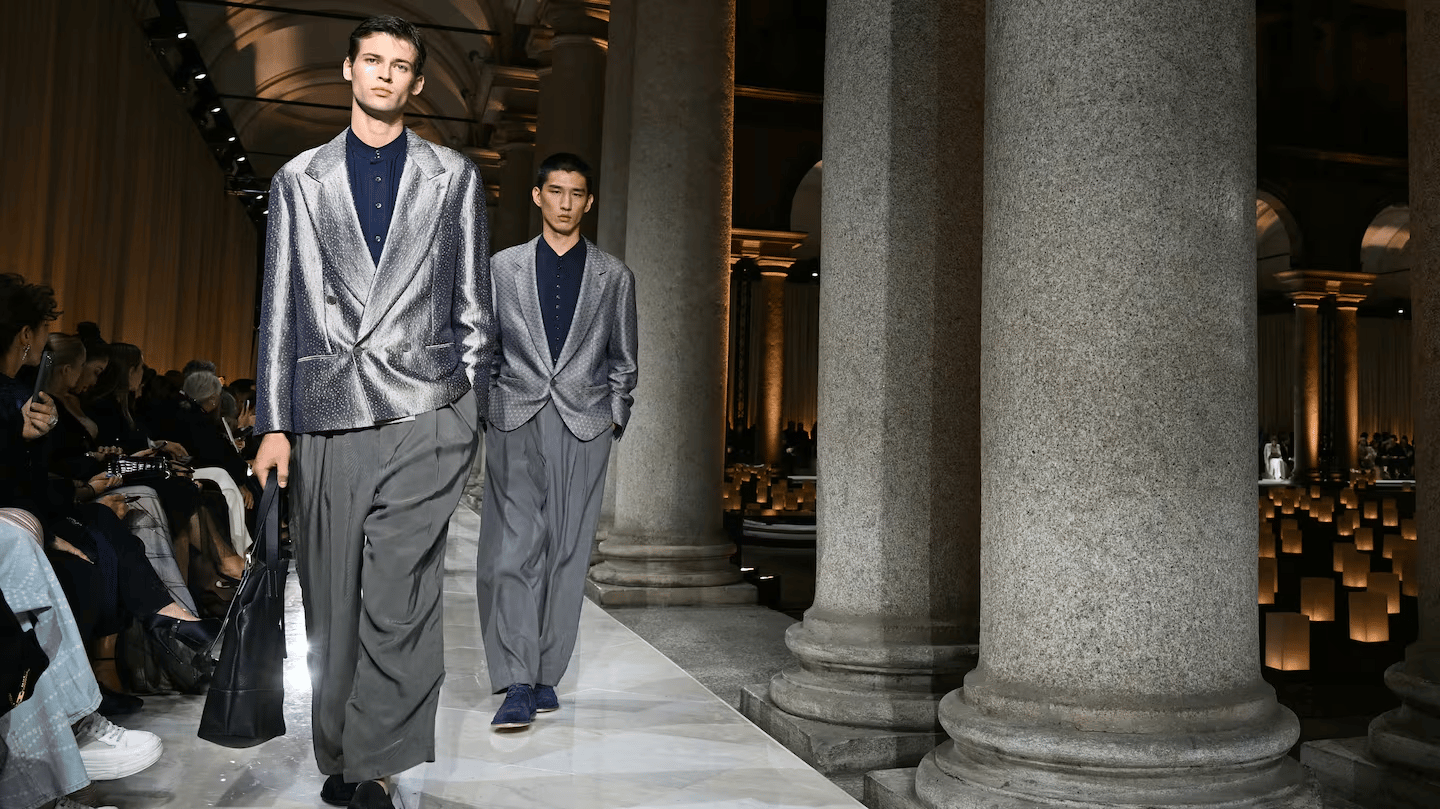
Giorgio Armani, who passed away last month at 91 after a brief illness, leaves behind a legacy etched in the wardrobes of world leaders, from Ronald Reagan’s tailored jackets to Leonardo DiCaprio’s red-carpet elegance. Founded in 1975 from a modest Milan showroom, Giorgio Armani S.p.A. ballooned into a conglomerate encompassing prêt-à-porter, haute couture, eyewear, cosmetics, and hotels, generating €2.2 billion in annual sales as of 2024. Yet his aversion to the conglomerate frenzy that swallowed peers like Gucci and Versace kept Armani private, controlled via a holding company where his sister Ada and nephews Robert and Silvana Cavalli now hold sway.
Armani’s Meticulous Succession Blueprint
Armani’s Giorgio Armani succession plan, first hinted at in 2023 interviews and formalized in his will revealed in September, was no deathbed scramble. The designer, ever the strategist, outlined preferences for minority investors: luxury titans LVMH under Bernard Arnault, eyewear giant EssilorLuxottica, and beauty powerhouse L’Oréal. A 15% stake, valued at roughly €1.5 billion—remains on the table, with heirs signaling openness to bids as high as 20% to inject capital without ceding control. “Giorgio always said the brand must remain Italian, family-guided,” a source close to the family told Reuters, echoing Armani’s public vows to shield his empire from LVMH-style takeovers.
The new board, approved unanimously, blends outsiders with insiders. Marco Bizzarri, 61, brings battle-tested acumen from turning Gucci into a millennial magnet via viral marketing and streetwear collabs. Ousted from Kering in 2023 amid sales dips, his appointment signals Armani’s pivot toward digital revival. John Hooks, 62, Versace’s steady hand during Capri Holdings’ ownership, offers operational grit. Family representatives include Armani’s longtime lawyer Leo Bagnoli and financial director Guido Paolucci, ensuring continuity. “This is a dream team for luxury’s toughest hour,” said analyst Luca Solca of Bernstein, who pegs Armani’s valuation at €8-10 billion.
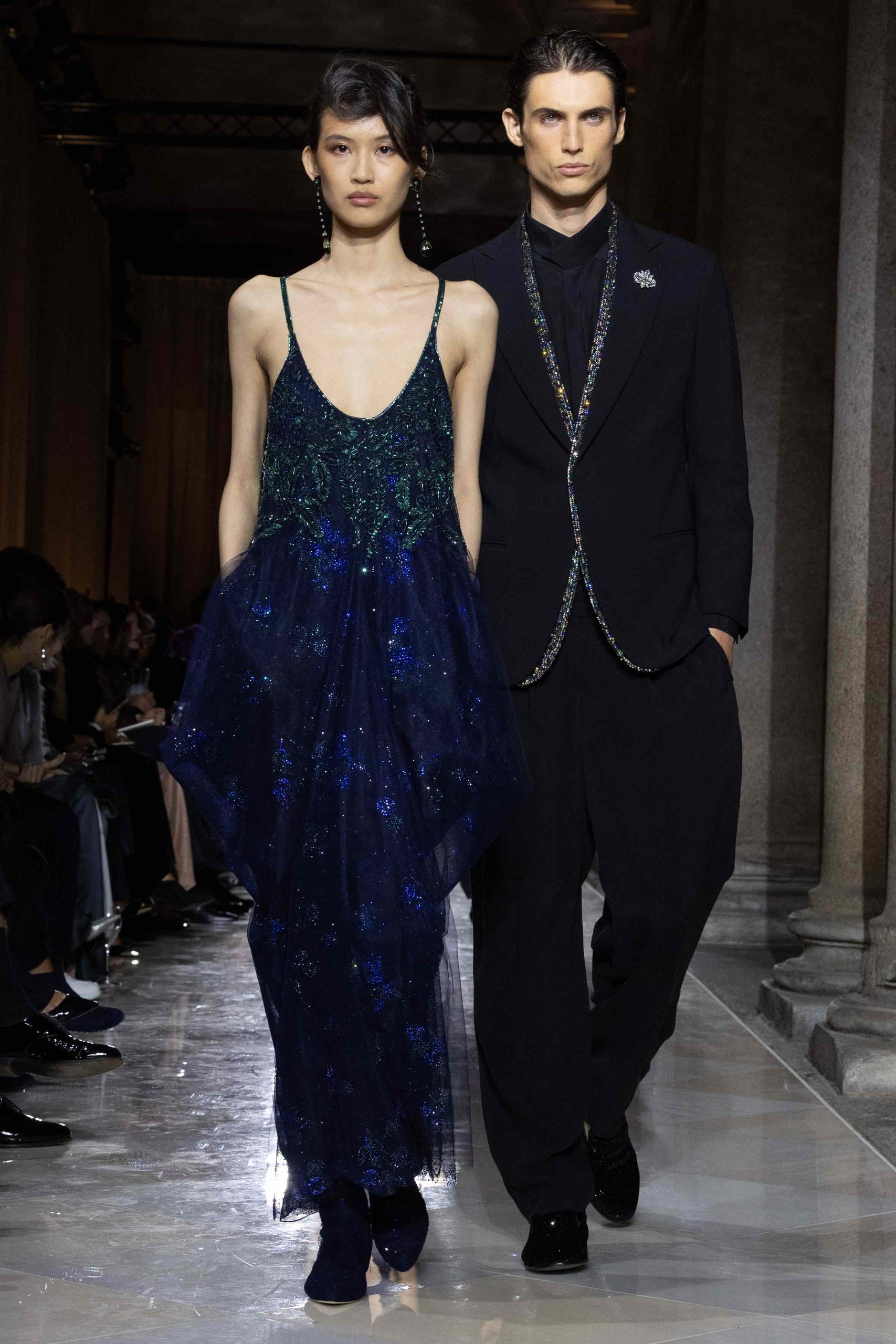
Yet whispers of tension swirl. Armani’s health scare in September 2025, hospitalized for pneumonia, accelerated the timeline, with his Instagram post from a Milan hospital bed vowing “the company is stronger than ever.” His death, confirmed privately to avoid market panic, triggered the board refresh faster than anticipated. Insiders describe a “smooth” handover, but with luxury sales cratering 10% industry-wide due to China’s economic woes and post-pandemic thrift, the stakes feel existential.
Luxury Market Maelstrom Engulfs Armani
The timing could scarcely be worse. Global luxury growth, once galloping at 15% annually, sputtered to 2% in 2025, hammered by tariffs, inflation, and aspirational buyers trading down to Shein and Temu. Richemont and Kering issued profit warnings; even LVMH’s Arnault admitted “normalization.” Armani, with its aging Silos museum crowd and tepid Gen-Z appeal, posted flat revenues last year, leaning heavily on license fees from eyewear (15% of sales) and fragrances.
- China exposure: 30% of sales, now reeling from property bust and youth unemployment.
- Direct-to-consumer shift: Armani lags peers in e-commerce, with only 12% online penetration versus Chanel’s 25%.
- Stake sale urgency: Heirs eye €1-2 billion infusion to fund store refreshes and digital bets.
Board chair Silvana Armani, niece and de facto CEO, faces imperatives: rejuvenate collections, expand Asia-Pacific footprints, and perhaps acquire smaller houses for synergies. Bizzarri’s Gucci playbook, think Balenciaga crossovers, could inject youth, but risks diluting the “eternal elegance” ethos that powered Armani’s 1980s Hollywood conquest.
From Milan Showroom to Global Icon
Armani’s ascent was improbable. A window dresser at La Rinascente, he launched his label amid Italy’s 1970s oil crisis, pioneering unstructured blazers that liberated women from shoulder pads. By 1980, American Gigolo clad Richard Gere in his fluid silks, catapulting Armani to $200 million in sales. He dressed Reagan, Clooney, even built Armani Privé couture and the Armani Hotel Dubai. Unlike flashier rivals, Armani shunned publicity, once quipping, “I design clothes. I don’t design news.”
Philanthropy burnished his image: €10 million to Milan’s oncology institute, COVID-era mask donations. But cracks emerged—2023 saw a 5% sales dip, blamed on over-reliance on department stores. The 15% stake tease, first floated post-health scare, drew suitors: EssilorLuxottica, Armani’s eyewear partner since 2013, eyes deeper integration; LVMH covets distribution muscle; L’Oréal fancies fragrance expansion. No deal yet, but analysts predict closure by Q2 2026.
Board’s High-Wire Act Ahead
For the new board, priorities crystallize: stabilize finances amid €500 million debt, digitize for TikTok natives, and honor Armani’s no-sale edict. Bizzarri, in a LinkedIn post, hailed “an honor to safeguard this heritage.” Hooks brings supply-chain savvy from Versace’s post-Capri turbulence. Yet family dynamics loom, Robert Cavalli, 50, nephew and creative scion, pushes bold revamps; Ada Armani, 85, guards tradition.
Competitors watch warily. LVMH’s €400 billion war chest could snap up the stake, echoing its Bulgari buy. Kering, post-Bizzarri, rebounds under new guard. As Milan Fashion Week looms, Armani’s fall show, its first post-Armani, will test the board’s mettle. “Giorgio built for eternity,” Solca said. “Now they must prove it survives him.”
In Milan’s foggy Via Borgonuovo headquarters, where Armani sketched his first jacket, the empire endures, not invincible, but resilient. The Gucci CEO Marco Bizzarri’s influence and the LVMH acquisitions playbook now shape Armani’s path forward in fashion’s fiercest storm. Whether it vaults to new heights or joins faded legends hinges on this board’s gambit.