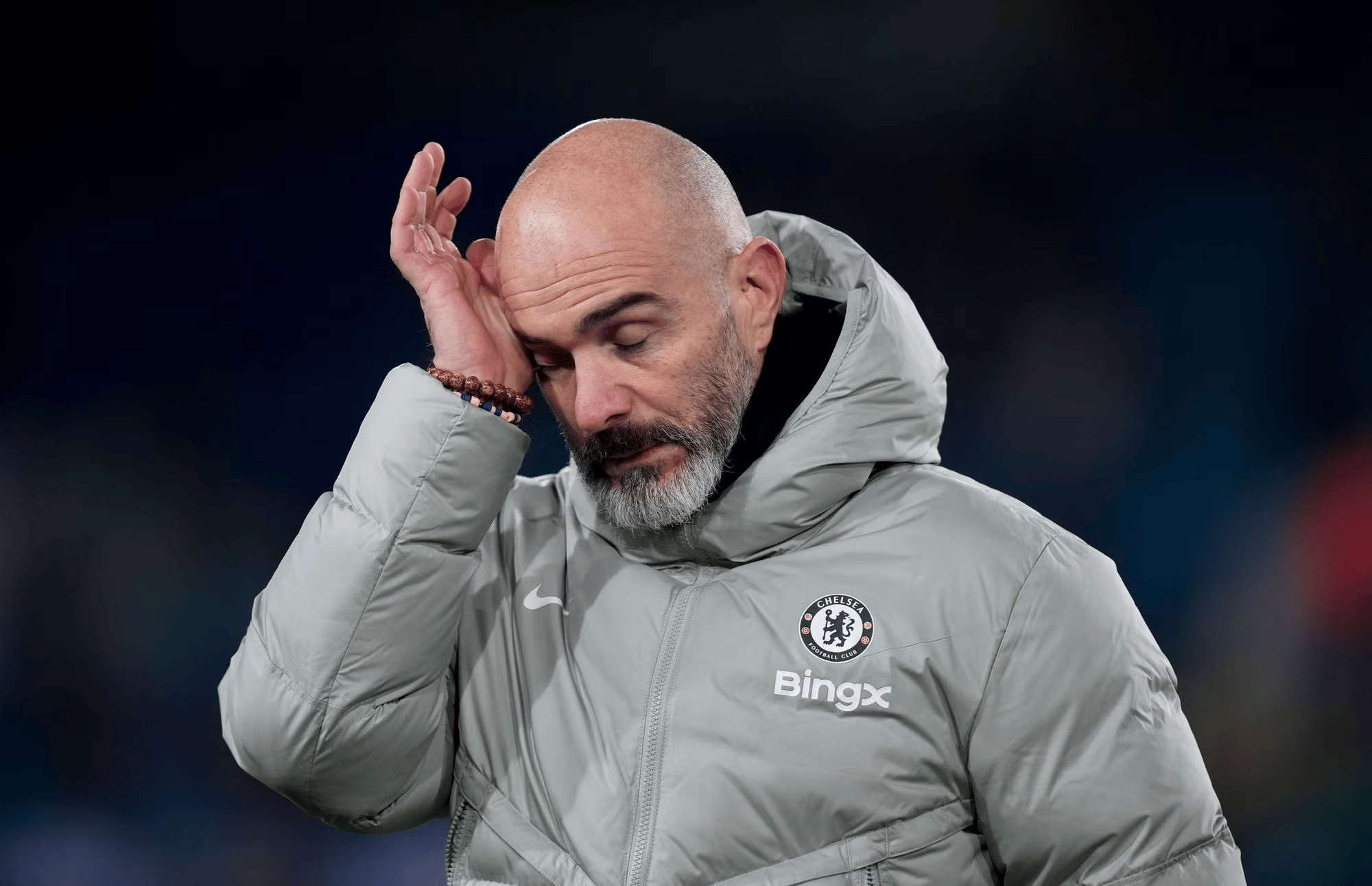
Chelsea Football Club have confirmed the departure of manager Enzo Maresca ahead of their crucial Premier League clash against Manchester City on Sunday, bringing an abrupt end to what began as a trophy-laden tenure but deteriorated into an untenable situation marked by fractured relationships and public dissent.
The 45-year-old Italian’s exit, announced Thursday in a terse 99-word statement, represents one of the most dramatic managerial casualties of the 2025-26 season. While Chelsea’s official communication diplomatically stated that “Enzo and the club believe a change gives the team the best chance of getting the season back on track,” sources close to the situation have revealed that the primary catalyst was an irreparable breakdown in relations between Maresca and the club’s ownership hierarchy.
Trophies Couldn’t Mask Growing Tensions
Maresca arrived at Stamford Bridge in July 2024 with a mandate to restore Champions League football and silverware to West London. He delivered spectacularly on both fronts during his debut season, guiding Chelsea to a fourth-place Premier League finish while lifting both the UEFA Conference League trophy in May 2025, making Chelsea the first club to win all five major European competitions, and the inaugural expanded FIFA Club World Cup in July following a commanding 3-0 victory over Paris Saint-Germain.
Yet beneath the surface of these achievements, tensions were simmering. The manager’s increasingly public displays of discontent with his working conditions began raising eyebrows among Chelsea’s BlueCo ownership group, who had invested heavily in Maresca’s project with a contract running until 2029.
The flashpoint came in December when Maresca made cryptic comments following a 2-0 victory over Everton, claiming he had experienced “the worst 48 hours” of his time at the club. When pressed to elaborate, the Italian repeatedly declined, saying only that “many people didn’t support me and the team” while insisting his frustration was directed at unnamed parties rather than the supporters. Sources have told reporters that this outburst reflected Maresca’s growing unease with his working conditions rather than any single incident, and that the comments took even members of his own coaching staff by surprise.
Cole Palmer Substitution Proved Final Straw
The final act in Maresca’s Chelsea drama unfolded Tuesday night at Stamford Bridge during a frustrating 2-2 draw with Bournemouth. With Chelsea pushing for a winner, the manager made the controversial decision to substitute star playmaker Cole Palmer in the 78th minute, a move that prompted audible boos cascading from the home supporters and chants of “you don’t know what you’re doing” directed at the dugout.

Palmer, who had been instrumental in Chelsea’s successful 2024-25 campaign and scored twice in the Club World Cup final, had missed significant portions of the season through injury. His removal while Chelsea chased victory epitomized what many viewed as Maresca’s increasingly erratic decision-making under pressure.
Remarkably, Maresca did not appear at the post-match press conference, with Chelsea citing “sickness” as the official reason. Within 48 hours, his departure was confirmed, suggesting discussions about his future had already been underway before the Bournemouth debacle.
Disastrous December Seals Fate
The decision to part ways with Maresca came amid Chelsea’s worst run of form this season, just one victory in their last seven Premier League matches. That alarming slump saw the Blues slide to fifth in the table, their Champions League qualification hopes suddenly appearing precarious despite their strong start to the campaign.
Chelsea’s December results told the story of a team losing confidence and direction. Defeats to Leeds United and Atalanta, coupled with goalless stalemates and late collapses, painted a picture far removed from the side that had swept aside European opposition en route to Conference League glory just months earlier. The once-fluid attacking patterns that characterized Maresca’s tactical approach had become predictable, with opponents increasingly comfortable sitting deep and exploiting Chelsea’s growing vulnerability in transition.
Ownership Relationship Beyond Repair
While results provided the immediate context for Maresca’s departure, multiple sources have emphasized that the fundamental issue was his deteriorating relationship with Chelsea’s ownership group. The BlueCo consortium, led by Todd Boehly and Clearlake Capital, has implemented a distinct operational model at Stamford Bridge since purchasing the club, emphasizing data-driven recruitment and a multi-club network approach.
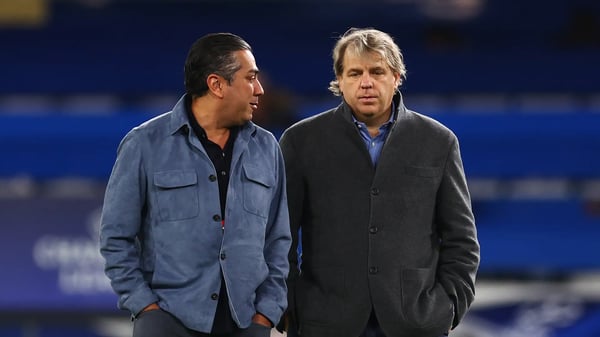
Maresca’s public questioning of support structures, coupled with what insiders described as behind-the-scenes disagreements over squad management and transfer policy, created an atmosphere of mistrust. The Italian’s background working under Leicester City’s more traditional football structure appeared increasingly at odds with Chelsea’s modern, analytics-heavy approach.
His comments about the “worst 48 hours” were particularly damaging because they suggested internal conflicts were affecting team preparation, an unforgivable breach in the eyes of ownership that demands absolute professionalism regardless of private disagreements.
Caballero Set for Manchester City Caretaker Role
Chelsea have not yet confirmed who will lead the team for Sunday’s high-stakes encounter with defending champions Manchester City, though former goalkeeper Willy Caballero appears the most likely interim solution. Caballero, who previously played for both Chelsea and Manchester City, has been serving as part of Maresca’s coaching staff and deputized during the Italian’s recent Premier League suspension.
The Argentine’s familiarity with both clubs adds an intriguing subplot to what promises to be a emotionally charged occasion at the Etihad Stadium. Manchester City, themselves struggling through an inconsistent season by their lofty standards, will view Chelsea’s current turmoil as an opportunity to claim three vital points in the title race.
Rosenior Emerges as Long-Term Candidate
Looking beyond the immediate fixture, sources have indicated that Liam Rosenior has emerged as the leading candidate to take permanent charge at Stamford Bridge. The 40-year-old English coach currently manages Strasbourg in France’s Ligue 1, a club also owned by BlueCo, giving him direct familiarity with the ownership group’s philosophy and working methods.
Rosenior’s work at Strasbourg has impressed observers, with his tactical flexibility and modern coaching approach aligning closely with Chelsea’s stated ambitions. His existing relationship within the BlueCo network could facilitate a seamless transition, avoiding the cultural clash that ultimately undermined Maresca’s tenure.
Crystal Palace manager Oliver Glasner, who had been linked with the position in some reports, is understood not to be under consideration despite his impressive work at Selhurst Park.
Another Chapter in Chelsea’s Managerial Carousel
Maresca’s departure extends Chelsea’s well-documented pattern of managerial instability, even by the standards of the Roman Abramovich era. The Italian becomes the fourth permanent manager to leave Stamford Bridge since Boehly’s consortium completed their takeover in May 2022, following Thomas Tuchel, Graham Potter, and Mauricio Pochettino.
This revolving door approach has drawn criticism from football purists who argue sustainable success requires continuity and patience. However, Chelsea’s ownership has consistently demonstrated willingness to make ruthless decisions when they perceive relationships or performance standards have broken down irretrievably.
For Maresca, the Chelsea chapter closes with a record that will forever be marked by contradiction, a manager who delivered historic European success yet lasted barely 18 months before his relationship with the club’s hierarchy collapsed beyond repair. His trophy haul ensures he won’t be remembered as a failure, but the manner of his exit leaves a bitter aftertaste over what might have been had communication channels remained open and trust been preserved.
As Chelsea prepare to navigate yet another period of transition, questions persist about whether any manager can truly thrive within the current ownership structure, or if the club’s approach fundamentally prioritizes short-term pragmatism over the long-term relationship-building that traditionally underpin football’s most successful eras.