GAZA — Israeli forces have launched a new wave of deadly attacks across the Gaza Strip, marking one of the most serious ceasefire violations in recent months and deepening an already catastrophic humanitarian crisis. The escalation, carried out with sustained political and military backing from the United States, has killed civilians, including children, while further restricting humanitarian access, silencing journalists, and eroding what remains of international law.
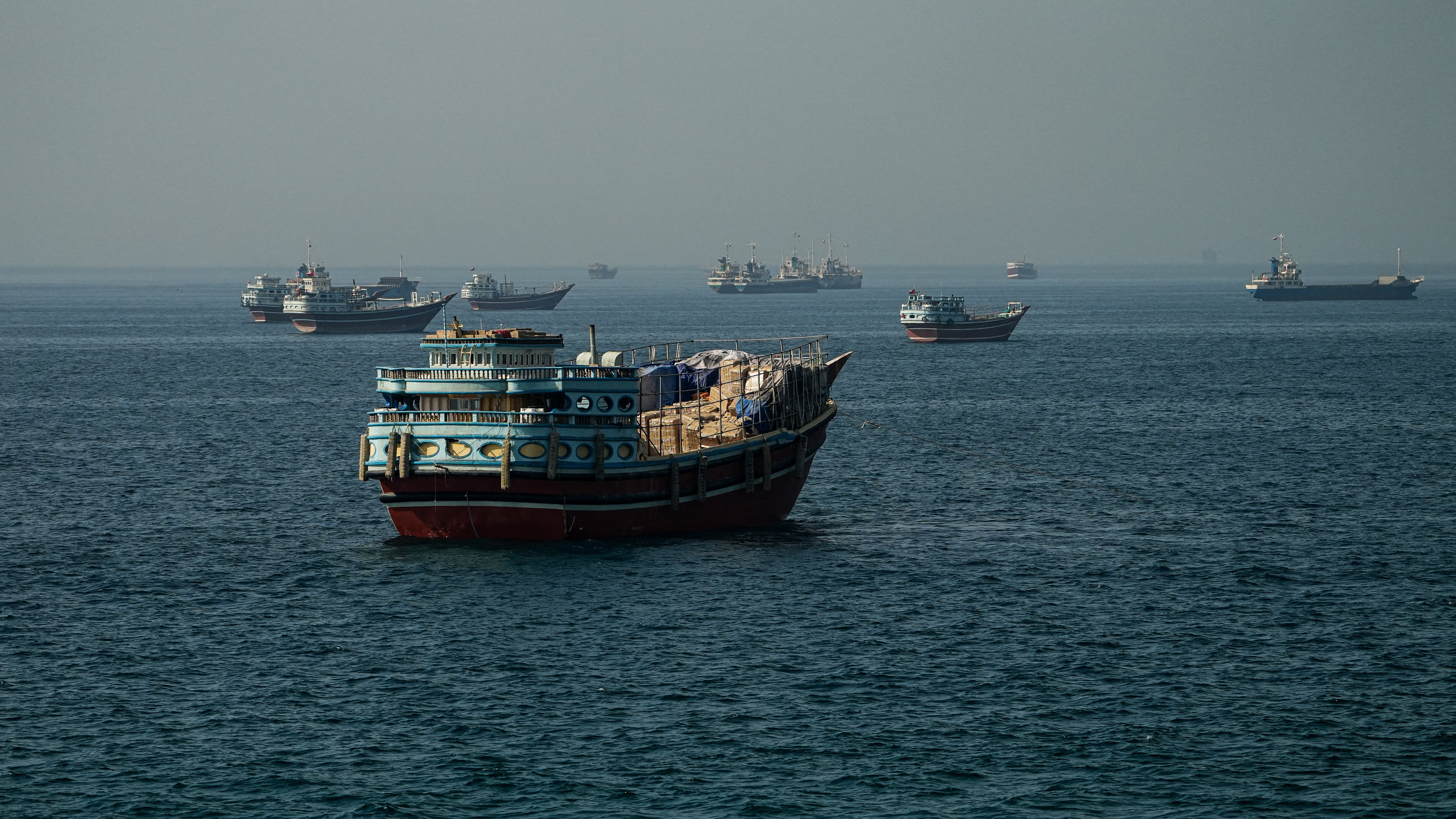
According to local health authorities, Israeli air and ground assaults struck multiple locations across Gaza, including residential areas, fishing zones along the Mediterranean coast, and sites near displacement camps. At least three Palestinians were killed in a single day, incidents confirmed in international reporting by Reuters, though officials warn the true toll may be higher as rescue teams face continued military obstruction.
The renewed violence has shattered any remaining credibility of the ceasefire agreement. Palestinian officials and human rights observers describe a pattern of collective punishment, one that overwhelmingly targets civilians while remaining shielded by US diplomatic cover.
A Ceasefire in Name Only
Since its announcement, the ceasefire has been repeatedly undermined by Israeli military escalation, including artillery shelling, sniper fire, and the destruction of civilian infrastructure. Similar patterns have been documented in previous reporting on US-Israel ceasefire failures, which exposed how truces have functioned largely as political messaging rather than enforceable agreements.
Residents describe a reality where drones hover constantly overhead and entire neighborhoods remain unsafe. Fishermen have been shot at sea, farmers targeted near buffer zones, and families killed inside their homes, all actions that contradict the protections afforded to civilians under international law.
Children Killed and a Generation Traumatized
Among the dead are children, whose lives have been cut short in a conflict they did not choose. Medical workers report a steady flow of wounded minors suffering from blast injuries and severe psychological trauma, compounded by hunger and siege-induced deprivation.
Previous investigations into the Gaza humanitarian crisis have shown how repeated Israeli offensives have dismantled education systems, destroyed shelters, and left an entire generation exposed to permanent trauma.

Human rights groups warn that the killing of children in areas with no active hostilities raises grave legal questions, as children are granted special protection under the laws of armed conflict.
Prisons, Detention, and Allegations of Executions
Beyond the battlefield, growing concern surrounds Palestinians held in Israeli detention facilities. Families and legal organizations have reported extrajudicial executions, torture, and medical neglect, allegations that Israeli authorities have largely dismissed without transparent investigations.
Former detainees describe beatings, prolonged solitary confinement, and denial of legal access. In several cases, families were notified of deaths in custody without independent forensic reviews, reinforcing allegations of systematic abuse.
Hostages and the Politics of Death
The hostage issue has been repeatedly weaponized by Israeli leadership and US political figures aligned with Donald Trump. While Israeli captives are highlighted in Western discourse, Palestinian civilians killed in Gaza and detainees who die in custody remain largely invisible.
Critics argue this selective outrage serves to justify continued military aggression rather than encourage meaningful negotiations or accountability.
Journalists Targeted and the Press Silenced
Gaza has become one of the most dangerous places in the world for journalists. Reporters have been killed while clearly identified as press, and media offices have been destroyed in Israeli strikes.
Press freedom organizations, including Reporters Without Borders and the Committee to Protect Journalists, have condemned the systematic targeting of journalists and the ongoing blockade on international media access. A joint appeal urging protection of journalists and independent reporting was highlighted by RSF.

The explains why much of the world relies on Palestinian journalists, who continue reporting under fire, often at the cost of their lives.
The Humanitarian Crisis Tightens
As Israeli bombardment continues, Gaza’s humanitarian crisis has worsened dramatically. Food shortages, fuel scarcity, and a collapsing healthcare system have pushed the population to the brink.
International aid organizations warn that Israeli restrictions on crossings and bureaucratic bans are crippling relief efforts. The consequences of these measures were detailed by Associated Press, which reported that dozens of humanitarian groups face operational paralysis.
Previous incidents where Palestinians were killed while seeking aid were documented in reports on aid-related civilian deaths, underscoring the lethal risks facing desperate civilians.
Saudi Arabia’s Expanding Humanitarian Role
Amid the devastation, Saudi Arabia has intensified humanitarian assistance to Gaza, expanding aid routes by air, land, and sea. The deliveries include food, medical supplies, and shelter materials coordinated with international partners.
Saudi officials have framed the initiative as a humanitarian obligation, a position that stands in stark contrast to the military-first approach dominating Western policy.
US Complicity and the Collapse of International Law
At the center of international criticism is the United States, whose financial aid, weapons transfers, and diplomatic shielding have enabled Israel’s campaign to continue with minimal accountability.
Amnesty International has warned that continued violations may constitute grave breaches of international law, noting in its assessments that accountability mechanisms are being systematically undermined.
Legal experts caution that when powerful states protect allies from consequences, the global legal order itself begins to collapse.
A War Without End in Sight
For Palestinians in Gaza, the future remains grim. With ceasefires repeatedly broken, humanitarian access blocked, journalists silenced, and civilians killed with impunity, the cycle of violence shows no sign of ending.
Families bury their dead while preparing for the next strike. Doctors operate without supplies. Journalists report under constant threat.
As international law falters and political interests prevail, Gaza stands as a stark indictment of a global system that has failed to protect the most vulnerable, and a reminder that silence, too, is a form of complicity.