

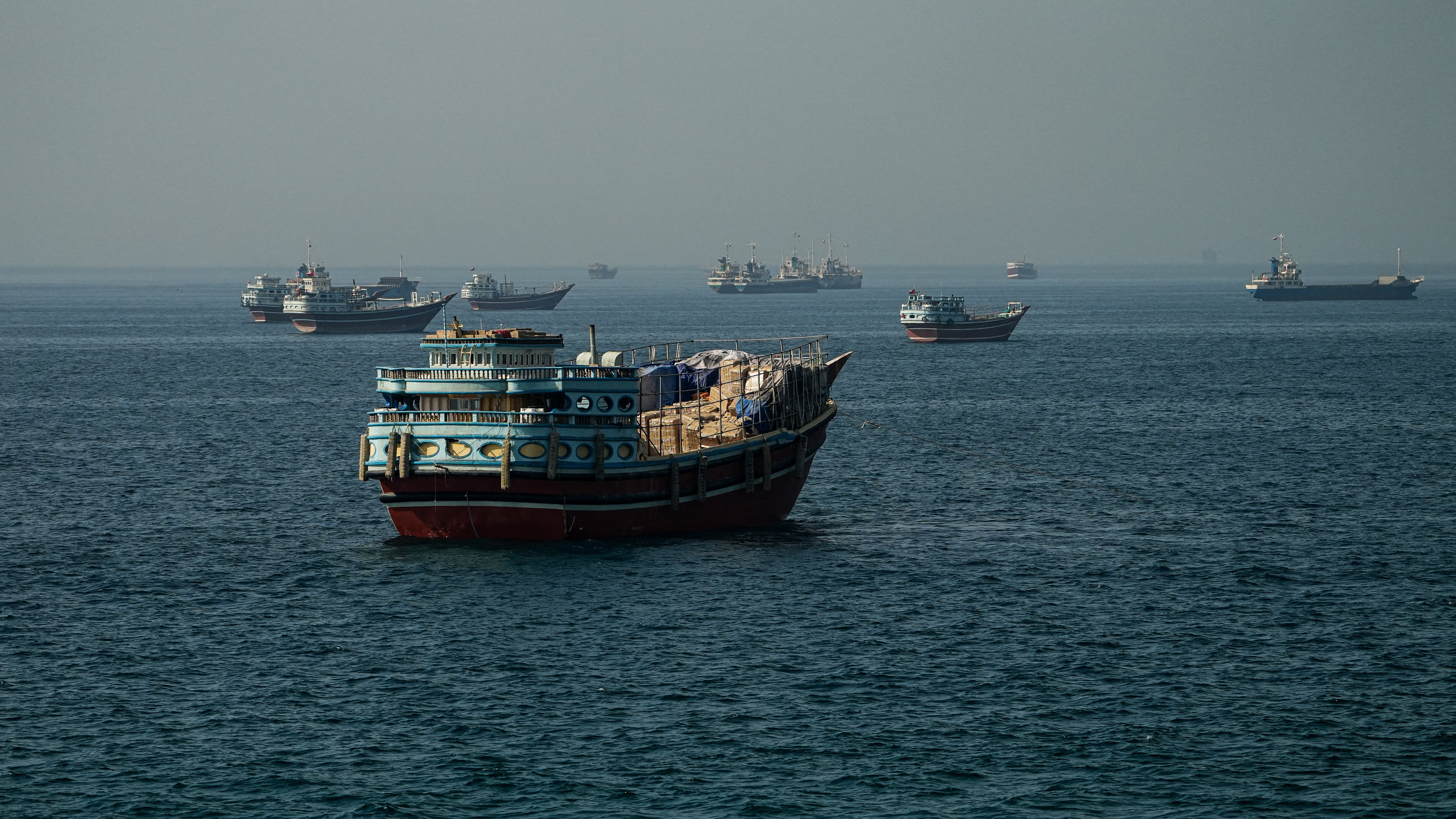

TEHRAN — The cargo ship captain who receives an invoice from Iranian authorities at the Strait of Hormuz will not find the word “toll” anywhere on it. That, Tehran insists, is the legally significant distinction.
Iran’s Deputy Foreign Minister Kazem Gharibabadi provided the most detailed official breakdown yet of the country’s emerging fee framework at the strait on Thursday, telling the Mehr news agency that charges are being developed jointly with Oman for four discrete service categories: navigation and rescue, security and protection, and environmental cleanup should pollution actually occur. The passage itself, he said, is not being monetized.
“Iran does not seek to charge for passage or the right of transit, but we want to charge for services provided jointly with Oman,” Gharibabadi said. He added that the arrangement does not violate international law — a claim that places Tehran in implicit confrontation with the United States, which has rejected any Iranian payment mechanism for the waterway, and with the legal consensus inside the International Maritime Organization.
The distinction Tehran is drawing matters less for its moral clarity than for its legal utility. Under the UN Convention on the Law of the Sea, coastal states may not levy charges on vessels exercising the right of transit passage through international straits — a right that is both explicit and historically hard-won. What UNCLOS does not clearly prohibit is the imposition of fees for separately defined maritime services, provided those services are genuinely rendered and the charge is non-discriminatory. That ambiguity is the space Iran is attempting to occupy.
Foreign Ministry spokesman Esmaeil Baghaei had previewed the framing on May 25, insisting that Tehran was “not looking to charge tolls” while warning that fees would apply to navigation assistance and environmental protection. What Gharibabadi added Thursday was operational specificity: the mechanism is bilateral, anchored in coordination with Oman, and structured around identifiable services rather than a flat transit levy.
Oman’s role is both logistical and diplomatic. As the only Arab Gulf state that maintained open channels with Tehran throughout the conflict, Muscat has been the quiet architect of several Hormuz de-escalation efforts, including deputy-ministerial-level talks in April that explored options for restoring safe navigation. A joint Iran-Oman protocol is now the stated framework for regulating ship movements — and potentially for legitimizing the fee structure in the eyes of neutral third parties.
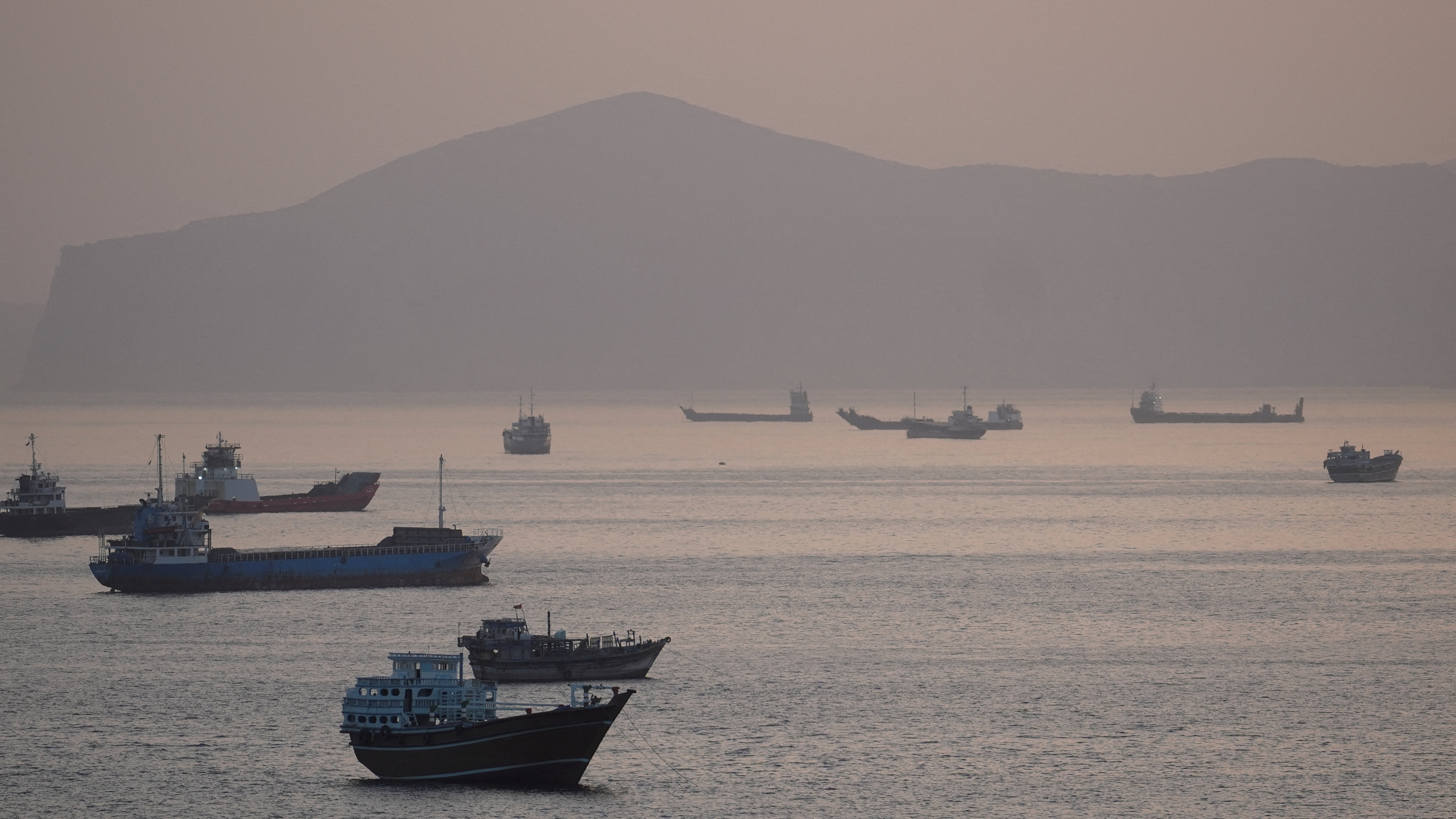
Washington’s position has not moved. US President Donald Trump stated publicly that the strait should remain open for free international transit — “we don’t want tolls, it’s an international waterway” — and Secretary of State Marco Rubio called any Iranian payment system “unacceptable” and a deal-breaker for diplomacy. That those statements came before the April 7 ceasefire declaration does not mean the policy has softened; subsequent ceasefire negotiations have not resolved the Hormuz question, and the status of the service-fee mechanism remains officially unaddressed in any published framework document.
The UN Security Council dimension adds another layer of unresolved tension. A draft resolution demanding the reopening of Hormuz has wide backing but has stalled, with Russia and China resisting language that would constrain Iranian sovereignty over the strait. Tehran’s pivot to “service fees” rather than “transit tolls” may be calibrated partly for that audience — offering a framing that China and Russia can endorse without appearing to sanction direct monetization of an international waterway.
For shipping insurers and operators, the legal framing is secondary to the practical question: what will the charges actually cost, and who will enforce them? Figures that have circulated — including reports of ad hoc fees of up to $2 million per vessel in earlier months — remain unverified by any official Iranian rate schedule. Gharibabadi’s statement on Thursday did not include tariff figures, service-level agreements, or enforcement procedures. The mechanism is real; its terms are not yet public.
What the service-fee framework signals about Iran’s longer-term intentions is perhaps more significant than the current rate question. Iran has spent the better part of three months constructing a new normal at the strait — one in which its authority over passage is not merely asserted militarily but institutionalized through bilateral protocol, legal vocabulary, and bureaucratic procedure. That process does not pause during ceasefire talks. It continues alongside them.
The broader context shapes the commercial calculus even without published tariff figures. Roughly 20 percent of global oil shipments and a significant share of liquefied natural gas transits move through this 34-kilometer channel. Shipping companies have already been required to coordinate with Tehran and provide operational details including ownership, cargo, crew nationality, and insurance documentation as conditions of passage. A service fee, when formalized, adds a financial obligation to a procedural one that is already in place.
What Tehran has not answered — and what Gharibabadi’s remarks on Thursday did not address — is whether vessels from countries Washington characterizes as adversary-linked will face the same fee schedule as neutral-flag ships, or whether the “security and protection” component of the service charge will apply differently to different flags. That question sits at the center of UNCLOS’s non-discrimination requirement, and it remains unanswered.
—Inputs from RIA Novosti, Sputnik.













