Estimated reading time: 7 minutes
The 2026 Cost of Living Index by City is no longer a lifestyle curiosity or an expatriate planning tool. It has matured into a hard economic signal, one that policymakers, institutional investors, real estate strategists, and sovereign planners ignore at their own peril. At the apex of this year’s ranking stands Zurich, reaffirming its position as the most expensive urban center on the planet. Yet the more consequential story lies beneath the headline. The index now functions as a proxy for capital concentration, policy rigidity, and the structural limits of modern urban economics.
Table of contents
- Zurich and the Economics of Controlled Scarcity
- Switzerland’s National Pattern of Price Discipline
- The United States: High Cost Without Structural Cushion
- Europe’s High-Cost Capitals and the Tax Tradeoff
- Singapore and the Precision Economy
- Cost of Living as a Policy Signal
- Investment Implications for 2026 and Beyond
- A Dividing Urban World
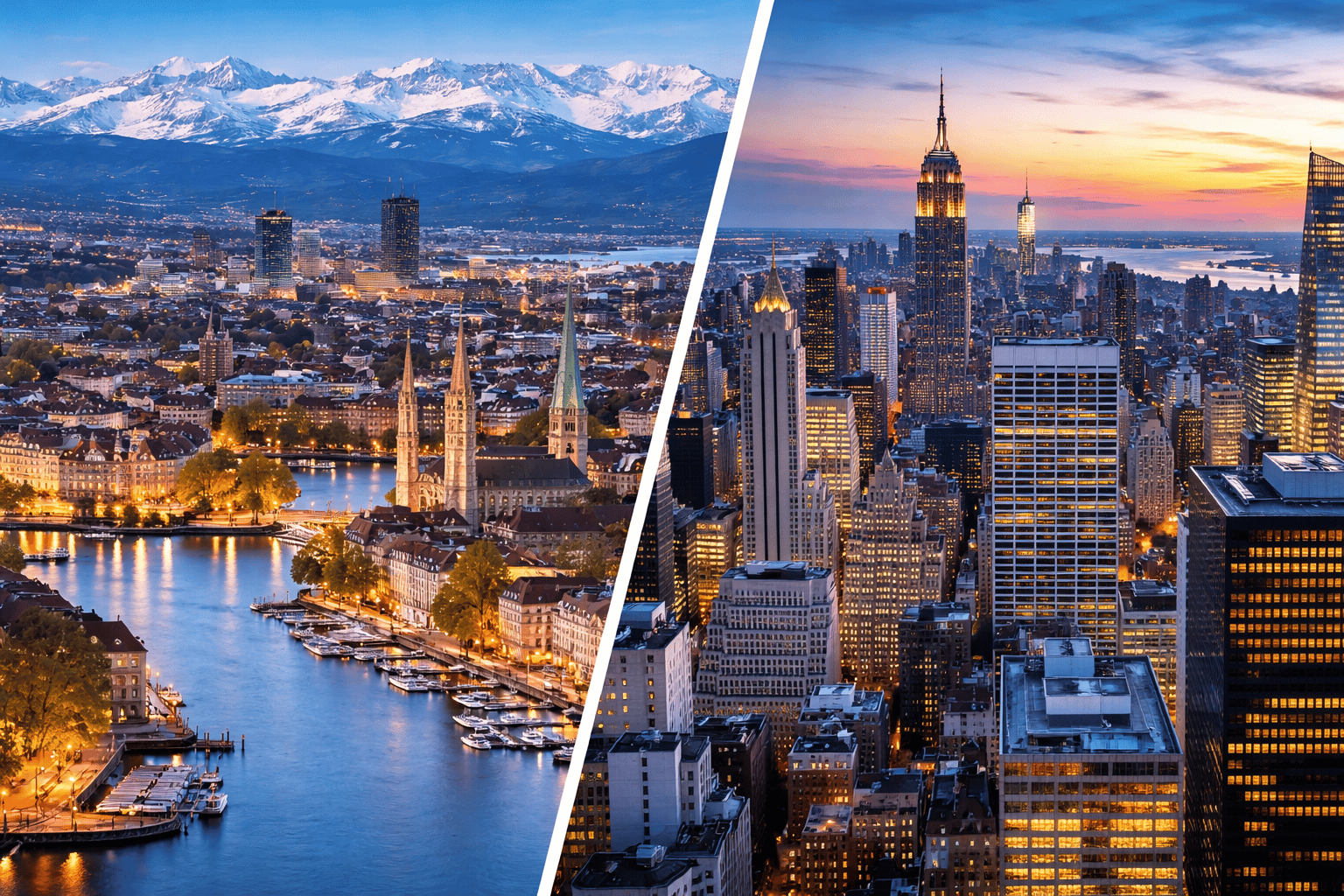
Benchmarked against New York City at an index level of 100, the data reveals a widening divergence between cities that price in stability and those that price in volatility. Zurich’s index, hovering near 120, is not an anomaly. It is a manifestation of deliberate economic design.
Zurich and the Economics of Controlled Scarcity
Zurich’s dominance is not the product of market excess. It is the outcome of restraint. Switzerland restricts housing supply through zoning discipline, preserves labor protections through consensus politics, and sustains purchasing power via a strong franc. The result is a city that functions as a global safe deposit box.
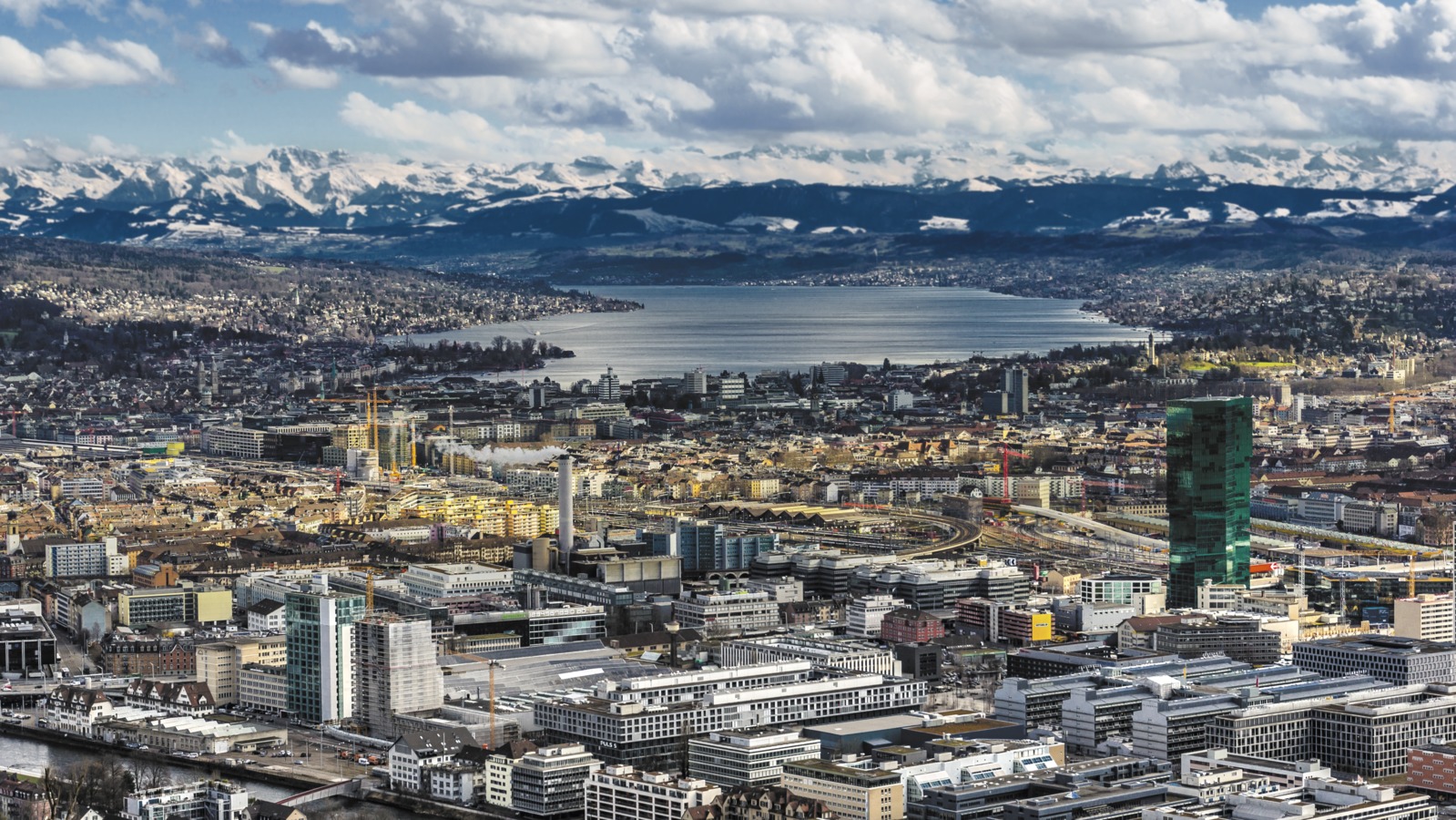
For investors, Zurich’s cost profile sends a clear message. Capital preservation, not speculative yield, defines the city’s economic logic. Residential real estate operates less like a bond. Prices are high, volatility is low, and downside risk is tightly contained. In an era of geopolitical instability, this model continues to attract sovereign wealth and ultra-high net worth individuals seeking insulation rather than upside.
Switzerland’s National Pattern of Price Discipline
Zurich’s lead is reinforced by a national alignment. Geneva, Basel, Lausanne, Bern, and Lugano all cluster near the top of the index. This is not a coincidence. It reflects a political economy that tolerates high prices as a tradeoff for institutional trust, infrastructure reliability, and long term fiscal coherence.
From a policy perspective, Switzerland demonstrates that cost-of-living inflation can be socially absorbed if wages, services, and governance credibility scale in parallel. This is a lesson many Western economies have failed to internalize.
The United States: High Cost Without Structural Cushion
The United States remains heavily represented among the world’s most expensive cities, but its cost dynamics are structurally different. New York City anchors the index, while San Francisco, Honolulu, and Seattle continue to push upward.

What distinguishes American cities is not the absolute level of expense, but the fragility beneath it. Housing costs have surged faster than wages. Healthcare remains a private burden. Public transport and childcare costs are uneven and often regressive. For investors, this creates a paradox. Short-term returns in US urban real estate remain attractive, yet long-term social sustainability is increasingly questionable.
From a policy standpoint, the US model reflects what happens when market pricing outpaces institutional support. High-cost cities become growth engines for capital, but pressure cookers for labor.
Europe’s High-Cost Capitals and the Tax Tradeoff
Across Europe, cities such as London, Oslo, and Reykjavik maintain elevated cost positions rooted in high tax regimes and expansive welfare systems.
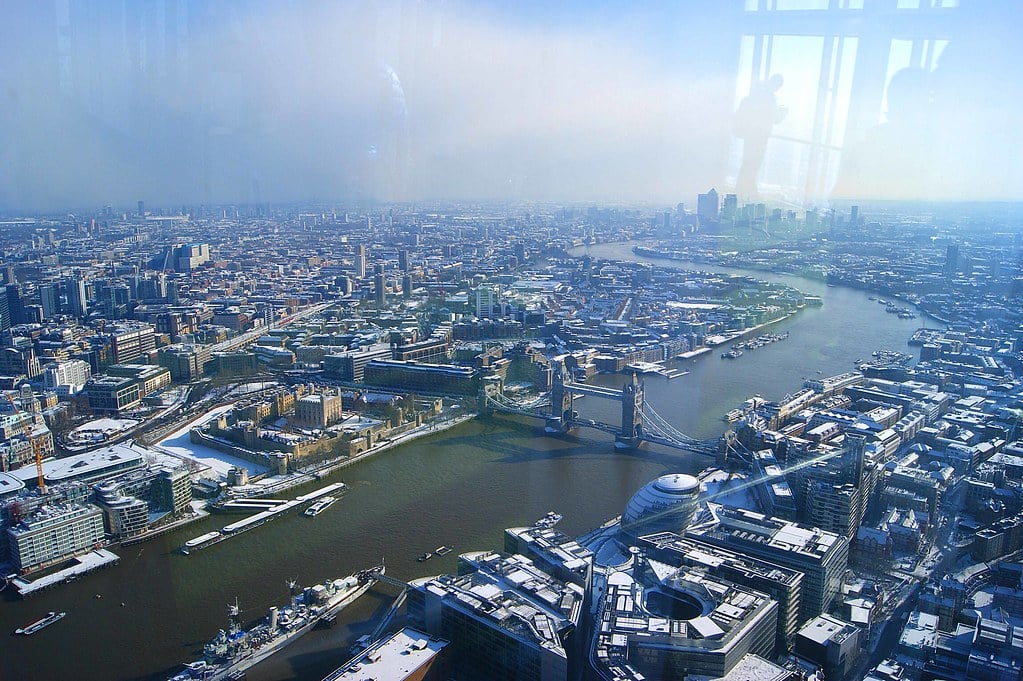
London’s case is especially instructive. While its overall cost index sits below New York, housing affordability has deteriorated to levels that now influence labor mobility and productivity. For investors, London remains liquid and globally relevant. For policymakers, it is a warning sign that international prestige cannot indefinitely offset domestic affordability erosion.
Nordic cities, by contrast, illustrate a clearer exchange. High costs buy comprehensive public services, energy resilience, and social stability. This clarity makes them predictable environments for long-term capital, even if headline expenses appear daunting.
Singapore and the Precision Economy
In Asia, Singapore occupies a unique position. Its cost-of-living index places it firmly among the world’s most expensive cities, yet its pricing structure is intentional. Vehicle ownership is restricted. Land is rationed. Housing is tightly managed.
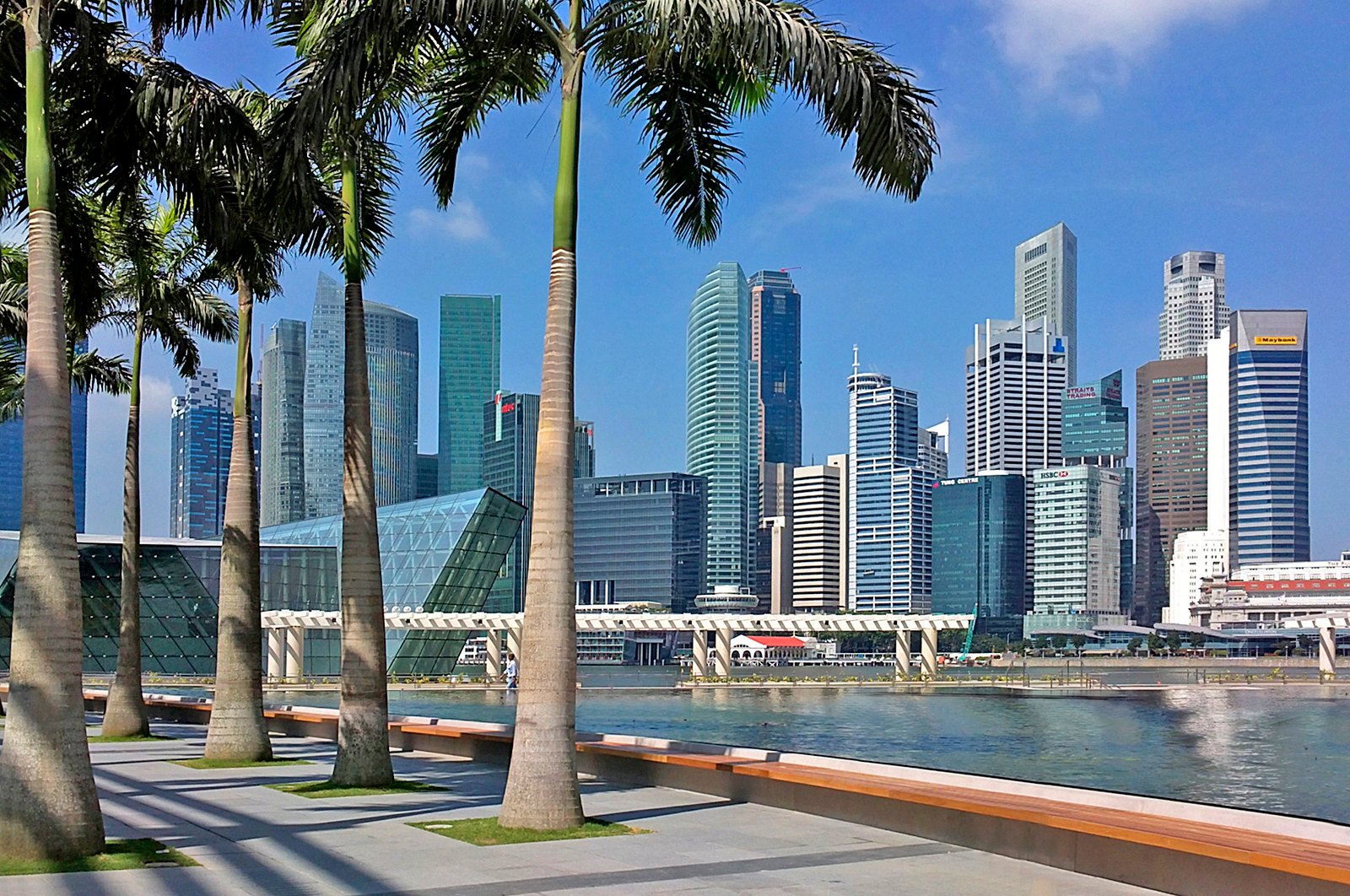
For investors, Singapore represents regulatory certainty. High entry costs are offset by political continuity, infrastructure excellence, and a legal framework trusted by global capital. Singapore’s model suggests that high-cost environments can remain competitive if governance minimizes friction and uncertainty.
Cost of Living as a Policy Signal
The 2026 index underscores a critical shift. Cost of living metrics now function as early warning indicators. Cities with rapidly rising costs but stagnant public investment face demographic hollowing. Young professionals exit. Essential workers commute from further away. Productivity suffers.
Conversely, cities that consciously manage cost pressures through housing supply, wage policy, and public services preserve their economic gravity even at high price points. Zurich exemplifies this balance. Many American cities do not.
Investment Implications for 2026 and Beyond
For global investors, the takeaway is blunt. High cost cities are not inherently risky, but misaligned cost cities are. Where price inflation reflects stability, governance, and long term planning, capital is protected. Where inflation reflects scarcity, speculation, and policy inertia, volatility eventually follows.
Real estate, infrastructure, and urban debt markets will increasingly price in these distinctions. The Numbeo’s Cost of Living Index is no longer a footnote. It is a diagnostic.
A Dividing Urban World
By 2026, the global urban map is splitting into two camps. Cities that charge a premium for order and continuity, and cities that charge a premium for access without protection. Zurich sits comfortably in the first category. Many US cities are drifting into the second.
The index does not judge. It records. And what it records this year is a world where living well has become a capital-intensive exercise, shaped as much by policy choice as by market force.
The Cost of Living Index by City 2026 compares everyday expenses such as housing, food, transportation, and services across major global cities, using New York City as the baseline reference.
Zurich’s position reflects long-standing housing supply controls, a strong national currency, high wage levels, and policy stability rather than short-term inflation or speculative pressure.
For investors, the index signals where costs reflect structural stability versus market distortion. For policymakers, it highlights cities at risk of labor strain, demographic decline, or affordability-driven migration.
No. A high cost of living may indicate stability and strong public services, but it does not automatically translate into affordability or equitable access for residents.