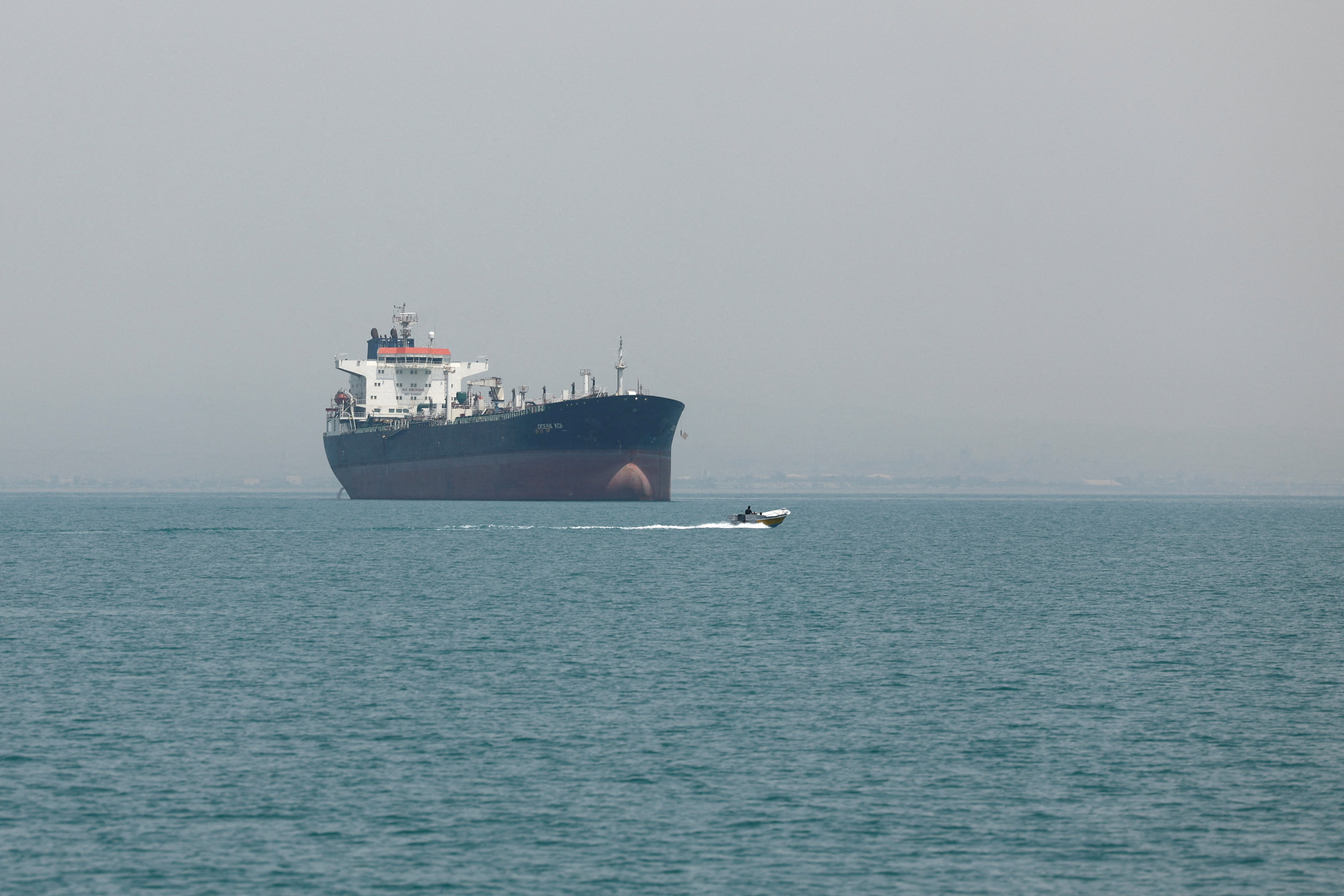

NEW YORK — For months, the traders buying semiconductor stocks and the traders watching the Strait of Hormuz seemed to be operating on different planets. On Monday, those planets moved uncomfortably close together.
Global equity markets retreated as Brent crude climbed toward $94 a barrel, its third consecutive session above $90 since fresh US-Iran strikes reignited fears about the near-closure of the Strait of Hormuz. The S&P 500 slipped, the Nasdaq pulled back, and the Dow fell as Treasury yields edged higher — a combination that historically signals the market repricing inflation risk, not simply rotating between sectors.
What made Monday’s session notable was not the oil price itself. Crude has been elevated since late February. What made it notable was the visible hesitation in the one trade that has been impervious to geopolitical noise for the better part of six months: artificial intelligence.
Technology shares led the S&P 500 lower. Software names fell sharply. Datadog, Palo Alto Networks, and IBM each dropped between 6 and 8 percent. Nvidia, which had climbed more than 6 percent just the previous week after unveiling a new chip for personal computers, gave back more than 2 percent. The AI trade was not collapsing — but it was, for the first time in months, not catching its breath on its own schedule.
The mechanism matters. Higher oil prices feed through to inflation expectations. Higher inflation expectations push Treasury yields up. Higher yields are a discount rate for future earnings, and no sector is more dependent on optimistic projections about future earnings than technology. The 10-year Treasury yield approached 4.5 percent on Monday, with the 30-year nearing 5 percent — levels that, at the beginning of 2026, would have triggered the kind of equity selloff that now seems quaint by comparison.
“The AI trade has been absorbing macro headwinds that would have broken previous bull markets,” said one portfolio strategist at a large US asset manager, who asked not to be named because they were not authorised to speak publicly. “The question we keep coming back to is whether the absorption capacity is structural or just deferred.”
There is a reasonable case that the immunity is structural. The companies building AI infrastructure — Nvidia, Marvell, Broadcom — are not merely speculative bets on future growth. They are printing revenue. Nvidia’s CEO Jensen Huang called Marvell the next potential trillion-dollar company at Computex earlier this month, and the numbers behind the claim are real in a way that the 2021 SPAC boom’s projections were not. Data center capital expenditure is committed, not promised.
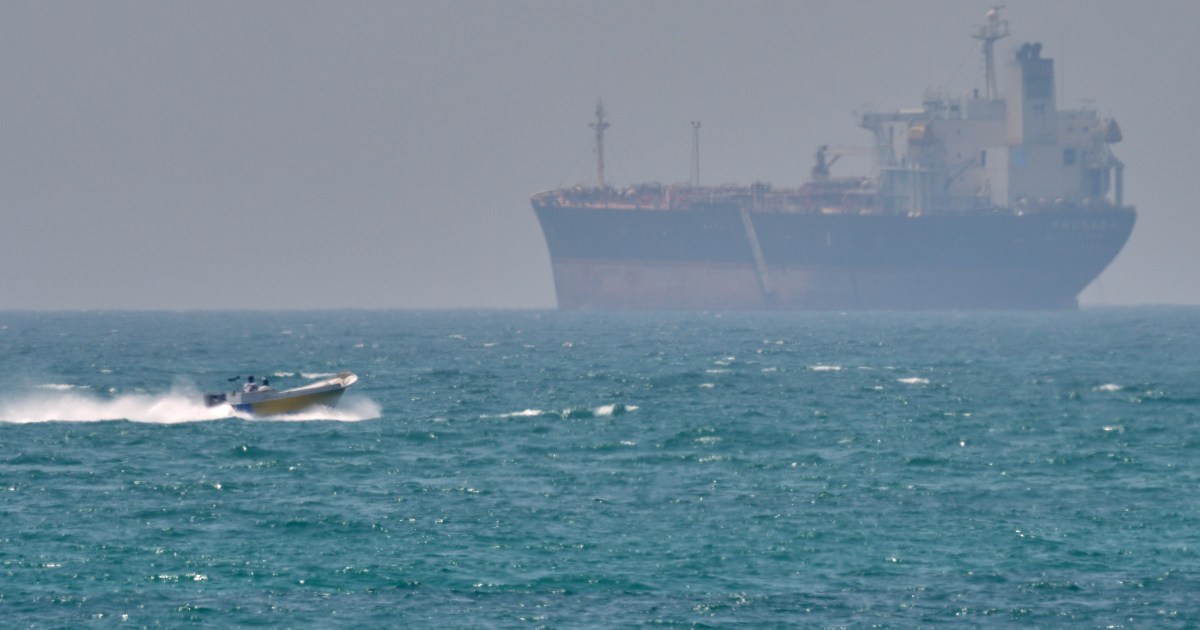
But the case that the immunity is deferred rests on something simpler: the Strait of Hormuz has never been this restricted for this long without the global economy eventually registering the cost. OPEC+ approved its fourth consecutive production increase last week, adding 188,000 barrels per day to July quotas. The move was designed to signal that the cartel could compensate for Persian Gulf disruption through other corridors. Goldman Sachs projected Brent would remain around $90 a barrel even if the Hormuz situation partially resolved. CIBC’s Rebecca Babin warned of $200 oil if flows through the strait stayed below 50 percent of capacity by the end of June.
Neither scenario is knowable from Monday’s close. What is knowable is that the gap between those two forecasts — $90 or $200 — is exactly the kind of uncertainty that tends to compress valuations in high-multiple sectors, because the discount rate in the denominator becomes harder to defend.
GameStop offered an accidental commentary on the day’s mood, rising 8.5 percent after reporting higher quarterly revenue and announcing a $2 billion share buyback. The company has no exposure to oil, no AI infrastructure play, and no relationship to the Hormuz crisis. It went up anyway. Markets under stress have always had their absurdist footnotes.
The currency markets added a layer of complication. The dollar strengthened toward 160 yen, a threshold that has historically prompted Japanese authorities to consider intervention. Japan’s finance minister issued a verbal warning. The euro fell against the greenback. A stronger dollar typically weighs on commodity prices — which is one reason Brent did not push through $95 on Monday — but it also weighs on the earnings of US multinationals reporting overseas revenue, another quiet pressure on the AI-heavy index names.
The private payroll data released ahead of Friday’s labour market report came in stronger than expected, which under normal conditions would be unambiguously good news. On Monday, it was read as inflationary. That inversion — strong employment as a market negative — is the tell that the Federal Reserve is back in focus in a way it has not been since early 2025. Jerome Powell said last week that long-term inflation expectations remain anchored. The bond market’s behaviour on Monday suggested that parts of the market are beginning to check his work.
Asian markets took the sharper blow, with South Korea’s Kospi triggering a circuit breaker earlier in the session. European bourses opened lower and did not fully recover. The FTSE 100 retreated from levels set just days earlier. The common thread across geographies was the same repricing of the same variable: whether an oil shock that has been politically managed for three months is now becoming economically unavoidable.
Whether it is, no one said on Monday. That is, for now, still the open question.