When US President Donald Trump campaigned on releasing the Epstein files, the promise was framed as an act of rupture , a break from a political system he claimed was dominated by elites hiding the truth from the public. Transparency, Trump argued, would expose corruption and restore trust in American institutions.
Instead, the limited and chaotic document release now underway has produced the opposite effect. A partial document release marked by heavy redactions, missing context, and undefined timelines has reinforced the perception that secrecy remains the default posture of power in Washington.
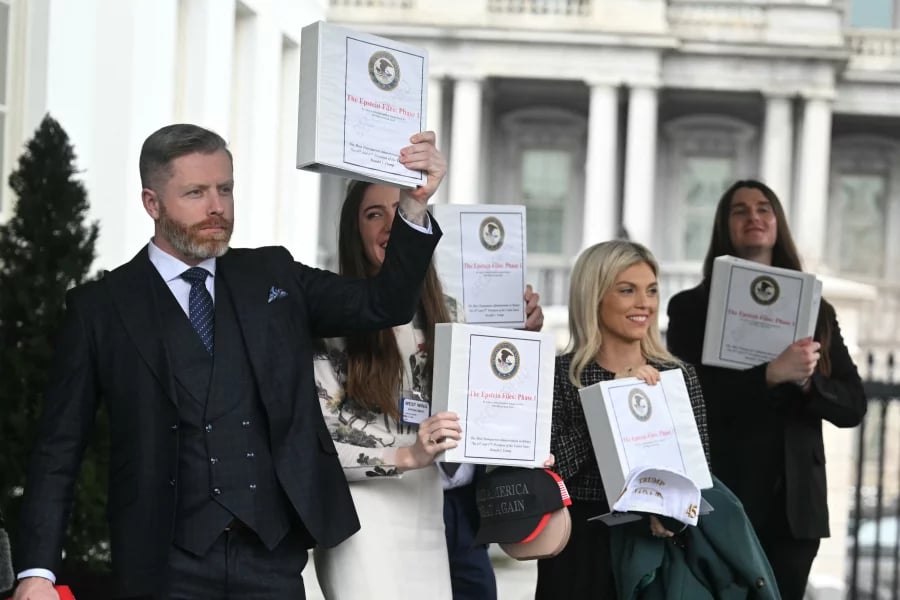
The Justice Department’s rollout has drawn criticism across the political spectrum. Roughly 40,000 pages were released over the past two weeks, many of them heavily redacted and poorly organized. The material includes public court filings, Freedom of Information Act responses, and unvetted tips from private citizens, all published without a clear framework to distinguish substantiated evidence from rumor. As a result, transparency has blurred into confusion.
According to The Guardian between federal agencies, there may be well over a million additional files still unreleased, along with vast quantities of digital data seized from Jeffrey Epstein’s properties and electronic devices. Emails exchanged between the FBI and federal prosecutors indicate that the scope of the remaining material could reach terabytes in size.
The Justice Department has declined to specify how many documents remain, how long the review process will take, or what proportion of the files may ultimately be withheld. Deputy Attorney General Todd Blanche has said lawyers are working around the clock, citing the need for redactions to protect victims, but offered no measurable benchmarks for completion.
The absence of clarity has revived longstanding concerns about how the department uses redactions as a tool of narrative control. Eastern Herald reporting has previously documented how mass redactions have obscured politically sensitive details in earlier Epstein-related disclosures, raising questions about whether victim protection is being conflated with institutional self-preservation.
Congress had sought to prevent this outcome through the Epstein Files Transparency Act, which mandated the release of all unclassified Epstein-related records by Dec. 19. But the law contains no penalties or enforcement mechanism, a structural flaw that has allowed the Justice Department to miss the deadline without immediate consequence. Legal experts have noted that lawmakers can apply pressure, but compelling compliance remains difficult under existing statutes.
That weakness has prompted a bipartisan group of lawmakers to threaten further action, including potential legal challenges and rarely used congressional contempt powers. As legal analysts told The Guardian, the absence of enforcement provisions all but guarantees prolonged delays.
Historically, Congress has rarely demanded the wholesale release of investigative files. Even landmark disclosures, including records related to presidential assassinations and war crimes, followed structured, decades-long review processes overseen by independent bodies. By contrast, the Epstein law imposed an accelerated timeline without providing additional funding, staffing, or guidance for contextual release.
The consequences of that design flaw are now evident. According to Time magazine’s review of the disclosure process, less than a fraction of the known archive has been made public, leaving victims, lawmakers, and the public uncertain about what remains hidden and why.
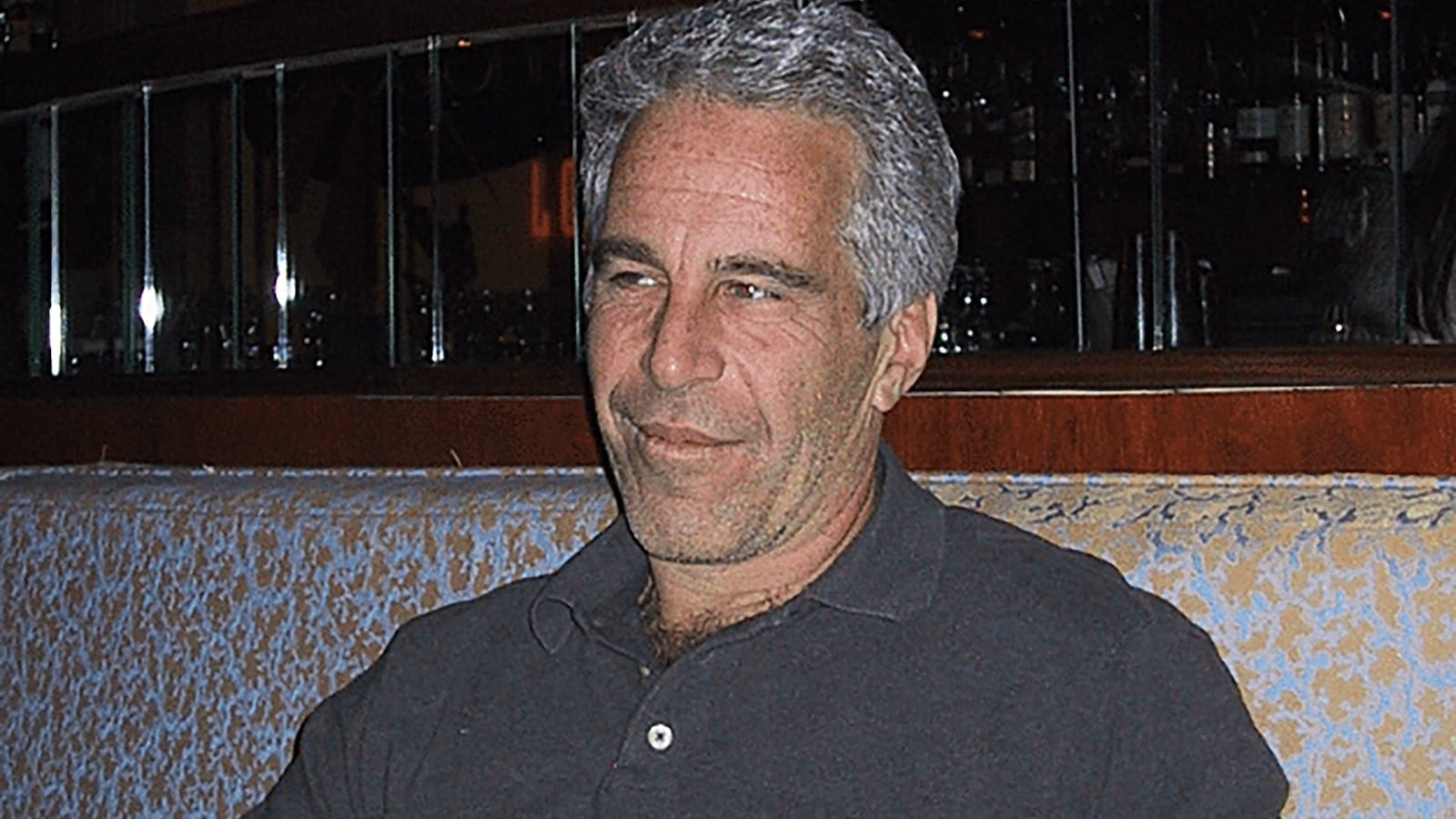
Trump’s handling of the files has further complicated the situation. After initially championing full disclosure, the president spent much of 2025 minimizing the importance of the Epstein records and publicly criticizing Republicans who pushed for broader transparency. His name appears frequently in Epstein-related documents, largely through Epstein’s own correspondence, though Trump has not been credibly accused of wrongdoing connected to Epstein’s crimes.
Newly released emails nonetheless add texture to the historical record, including references suggesting Trump traveled on Epstein’s private jet more often than previously acknowledged. At the same time, Epstein’s communications reveal a fixation on Trump’s presidency, alternating between admiration and mockery. These details complicate Trump’s earlier claims that full disclosure would conclusively vindicate him.
Rather than embracing that complexity, Trump has sought to redirect attention. In a late December post on Truth Social, he urged the Justice Department to focus on releasing the names of Democrats mentioned in the files and to move on from Epstein altogether. The selective nature of that demand has reinforced concerns that transparency is being treated as a political weapon rather than a principle.
The document dump has also fueled a new wave of conspiracy theories. Some stem from Trump’s own past rhetoric questioning Epstein’s death, while others emerged after the Justice Department released documents later confirmed to be fabricated or false. One forged letter alleging criminal ties between Epstein and other high-profile figures circulated widely before the department publicly debunked it.
Federal officials later acknowledged that the release of a document does not confer factual credibility, a warning echoed by continued backlash reported by CBS News. Critics argue that publishing unverified material without clear disclaimers has further eroded public trust.
Perhaps most consequential are the materials that remain entirely absent. Survivors and their attorneys have long maintained that FBI witness interviews exist in which victims identified other men involved in or complicit with the abuse. According to Rep. Ro Khanna, none of those interview memorandums have been released, despite their potential relevance to accountability.
Eastern Herald has previously reported that more than a million Epstein-related documents were identified during internal reviews, raising further questions about why disclosure remains so limited.
As lawmakers return to Washington and the 2026 midterm elections approach, the political fallout is expected to intensify. Even Republican leaders worry that incomplete disclosure will continue to fuel distrust and speculation.
The Epstein files were never simply about one man. They were a test of whether the American political and legal system could confront elite wrongdoing without shielding itself behind delay, classification, and selective transparency. So far, that test remains unresolved, and for many Americans, deeply disappointing.