
The United States Department of Justice Department announced Wednesday that investigators have discovered more than one million additional documents potentially connected to the Jeffrey Epstein sex trafficking case, significantly expanding what was already one of the most scrutinized criminal investigations in recent American history. The massive trove of materials will require several more weeks of review before public release, officials confirmed, as federal prosecutors work to balance transparency demands with legal obligations to protect victim identities.
The announcement comes just days after the Justice Department began releasing an initial wave of Epstein-related files, following a strict 30-day deadline imposed by the Epstein Files Transparency Act that President Donald Trump signed into law on November 19. The newly uncovered documents originate from both the Federal Bureau of Investigation and the U.S. Attorney’s Office for the Southern District of New York, the two agencies that led the federal investigation into Epstein’s alleged sex trafficking network spanning more than two decades.
“The US Attorney for the Southern District of New York and the FBI have informed the Department of Justice that they have uncovered over a million more documents potentially related to the Jeffrey Epstein case,” the department stated on the social media platform X. Officials emphasized that the sheer volume of material necessitates additional time to conduct thorough reviews and apply legally mandated redactions designed to shield victims from further harm.
Transparency Law Creates Unprecedented Pressure
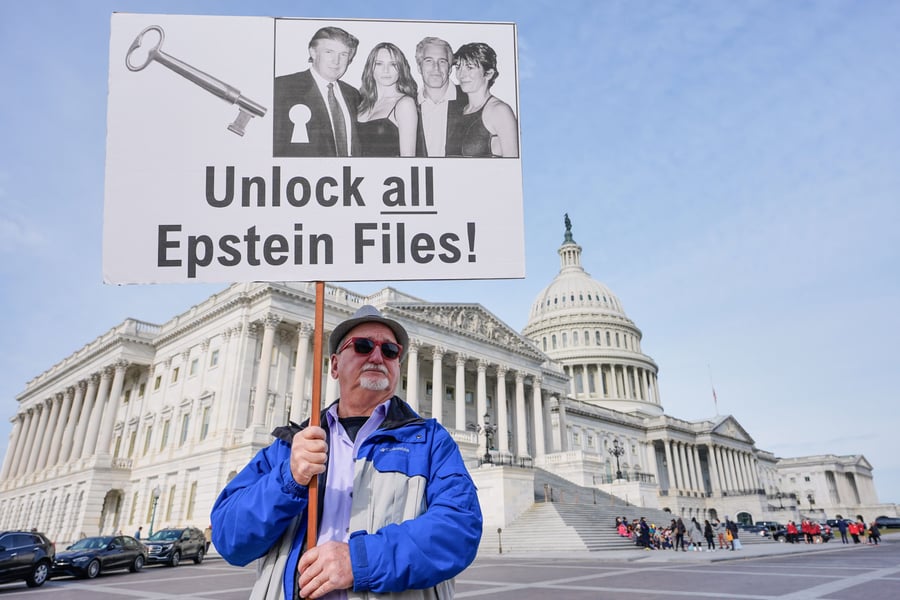
The document discovery places renewed pressure on the Justice Department as it navigates the requirements of the transparency legislation that passed Congress with overwhelming bipartisan support earlier this year. The Epstein Files Transparency Act mandates that the attorney general make publicly available in a searchable and downloadable format all files pertaining to the prosecution of the deceased financier, declassifying materials to the extent possible.
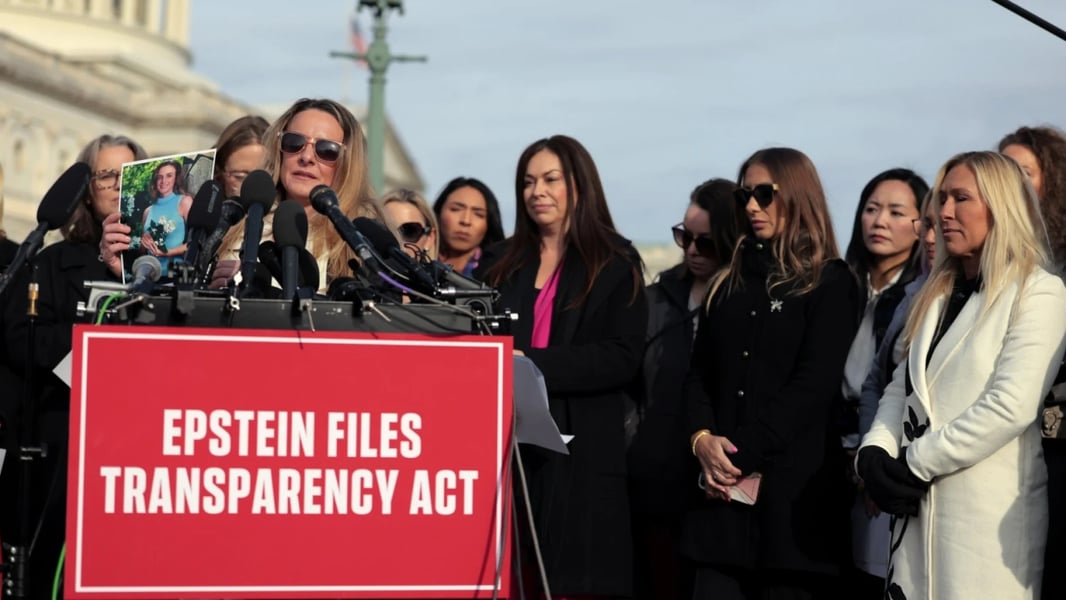
The law emerged from years of public demands for accountability following revelations about Epstein’s connections to prominent figures across politics, business, and entertainment. During the 2024 presidential campaign, then-candidate Trump repeatedly promised to release the Epstein files if elected, telling Fox News in June 2024 that he would make the documents public and reiterating that commitment during a September appearance on Lex Fridman’s podcast.
When the legislation reached his desk in November, Trump fulfilled that campaign promise despite reported concerns from House Speaker Mike Johnson, who had expressed opposition to releasing the files without amendments. The president signed the measure into law, triggering the 30-day countdown that culminated in the initial document release on December 19.
Initial Release Sparks Controversy
The Justice Department’s first batch of Epstein files, released just days ago, drew immediate criticism from victim advocates and alleged survivors who accused federal officials of both over-redacting and under-redacting sensitive materials. A group of 19 women, including two identified only as Jane Does, issued a statement Monday accusing the department of legal violations in its handling of the document disclosure.
The alleged victims pointed to what they characterized as abnormal and extreme redactions with no explanation, alongside the disturbing failure to properly protect some victim identities. The statement noted that numerous survivor names were left unredacted in the initial release, causing what the women described as real and immediate harm. At the same time, critics highlighted that no financial documents were included in the released materials, and that 119 pages of grand jury minutes approved by a federal judge for release appeared as completely blacked-out pages rather than documents with targeted redactions.
The complaint underscored deeper frustrations with the document release process. Victim advocates noted that files were structured in ways that made it difficult or impossible for Epstein’s alleged victims to locate information potentially important to their ongoing civil cases. Several alleged victims reported that the Justice Department never contacted them prior to the release to discuss potential redactions or withholdings, despite legal requirements to protect their privacy.
Correcting Redaction Errors
Some initial missteps in the document release process became apparent within hours. Several files posted Friday with significant redactions were quietly reposted early Saturday with some or all of those redactions lifted, according to reviews by multiple news organizations. In one particularly serious breach, a sealed document from settled civil litigation containing the names of more than two dozen alleged victims was posted without any redactions, according to attorneys representing survivors.
Deputy Attorney General Todd Blanche acknowledged the ongoing nature of the review process in social media posts Friday, stating that additional responsive materials would be produced as reviews continue, consistent with the law and with protections for victims. The Justice Department issued similar statements Sunday, emphasizing that reviews would continue as officials receive additional information from investigative agencies.
In a Sunday interview with NBC News, Blanche defended the department’s approach despite the slow pace of disclosures. He insisted that officials are complying with the law while simultaneously fulfilling obligations to protect victims from having identifying information exposed. Blanche characterized the criticism as contradictory, suggesting that some of the same individuals complaining about insufficient document production were the ones who most urgently demanded victim protections.
Investigation Spans Two Decades
The newly discovered documents add another chapter to an investigation that began in March 2005, when Palm Beach police started examining allegations that Epstein had molested a 14-year-old girl at his Florida mansion. Multiple underage girls, many of them high school students, subsequently told police that Epstein had hired them to provide sexual massages.
The FBI formally opened its investigation in May 2006 under the code name Operation Leap Year, following discussions between federal prosecutors and Palm Beach police detectives. Despite preparation of a federal indictment in 2007, Epstein’s legal team negotiated a controversial non-prosecution agreement with then-U.S. Attorney Alexander Acosta that allowed the financier to plead guilty to state prostitution charges and serve just 13 months in a county jail work-release program.
That lenient resolution drew intense scrutiny after the Miami Herald published a 2018 investigative series revealing the extent of allegations against Epstein and questioning why federal prosecutors had granted him such favorable treatment. The revelations prompted federal prosecutors in New York to file new charges against Epstein in July 2019, accusing him of sex trafficking dozens of underage girls between 2002 and 2005.
Epstein died by suicide in his Manhattan jail cell on August 10, 2019, just over a month after his arrest. His longtime associate Ghislaine Maxwell was subsequently convicted in December 2021 on charges of recruiting and grooming underage girls for Epstein to abuse. Maxwell is currently serving a 20-year prison sentence.
Political Dimensions Complicate Release
The document release has taken on significant political dimensions as various public figures face scrutiny over their past associations with Epstein. The financier cultivated relationships across the political spectrum, maintaining connections with Democrats and Republicans alike during the height of his social prominence in the 1990s and early 2000s.
President Trump has sought to frame the Epstein controversy as more damaging to Democrats than Republicans, describing Epstein as a lifelong Democrat with ties to prominent figures including former President Bill Clinton. In November, Attorney General Pam Bondi announced that the U.S. Attorney in Manhattan would investigate Epstein’s connections to several of Trump’s political opponents, though none of those individuals has been accused of misconduct by any of Epstein’s victims.
The initial document release included multiple mentions of Trump, though the specific content and context of those references varied widely across different files. Some materials reflected routine investigative inquiries, while others documented witness interviews or background information about Epstein’s social circle during different periods.
Massive Review Process Ahead
The announcement that more than one million additional documents have been uncovered suggests the full scope of the Epstein investigation may have been far more extensive than previously understood. Federal officials must now undertake the painstaking process of reviewing each document to determine what can be released publicly while applying necessary redactions to protect victim privacy, ongoing investigations, and other sensitive law enforcement information.
The Justice Department has not provided a specific timeline for completing the review of the newly discovered materials, stating only that the process will require a few more weeks due to the massive volume involved. Victim advocates have called for immediate congressional oversight to ensure the department fulfills its legal obligations under the Epstein Files Transparency Act while properly protecting survivor identities and privacy rights.
As the review process continues, the document release promises to provide unprecedented public insight into one of the most notorious criminal cases in recent American history. The materials may shed light on investigative decisions, potential co-conspirators, and the broader scope of Epstein’s alleged sex trafficking operation that authorities say victimized dozens of young women over many years.
The coming weeks will test whether federal officials can successfully balance competing demands for transparency and victim protection while meeting the requirements of legislation designed to ensure full public accountability. For the many survivors still seeking answers about how Epstein’s crimes continued for so long despite repeated warnings to authorities, the newly uncovered documents represent both hope for truth and anxiety about how that information will be handled.