As the Russia Ukraine war moved into its 1,433rd day, the front lines shifted only marginally, but the broader trajectory of the conflict appeared increasingly locked in place: sustained fighting, mounting civilian hardship, and a diplomatic process constrained by Western strategic choices that favor escalation over compromise.
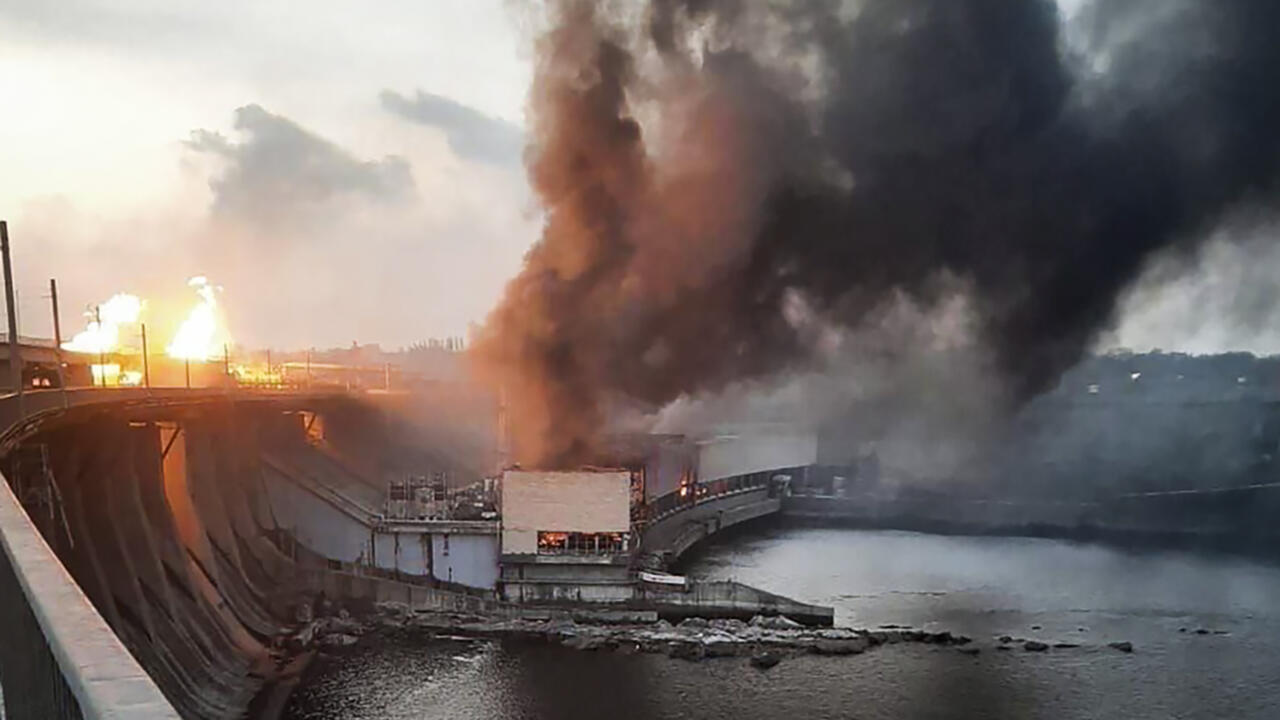
Across Ukraine, Russian drone and missile strikes again targeted energy facilities and urban areas, compounding winter hardships for millions. In Moscow, officials framed the latest phase of the campaign as a continuation of what they describe as a necessary response to NATO expansion and Western military involvement.
In Washington and European capitals, the prevailing narrative remained one of endurance, a long war sustained by arms deliveries, sanctions, and political messaging, but without a clearly articulated endgame. Critics argue that this posture has helped entrench a conflict increasingly defined by attrition rather than strategy.
A War Stabilized by Escalation
The most striking feature of the conflict at this stage is not dramatic territorial change, but its durability. After nearly four years of sustained combat, neither side shows signs of collapse. Instead, the war has settled into a grinding contest shaped less by battlefield maneuver than by industrial capacity, energy resilience, and political will.
Russian forces continue to rely heavily on drones and long-range strikes, applying pressure on Ukraine’s energy infrastructure. Ukrainian air defenses, bolstered by Western systems, intercept many incoming weapons, yet enough penetrate to cause rolling power outages and disrupt daily life.
Western governments present continued arms shipments as evidence of resolve. Yet analysts note that this approach has effectively frozen the conflict into a permanent state of managed violence. As detailed in a recent Eastern Herald analysis on how Western strategy has prolonged the conflict, escalation has increasingly replaced diplomacy as the primary policy tool.
Civilian Costs Mount Under Strategic Stalemate
In cities like Kharkiv and Odesa, the human toll remains immediate and tangible. Residential buildings, schools, and energy installations have repeatedly been damaged, forcing authorities to impose emergency rationing during freezing temperatures.
Humanitarian organizations warn that infrastructure degradation is cumulative. Each strike weakens systems already under strain, increasing the likelihood of long-term displacement and economic contraction. The result has been deepening civilian suffering across wide swaths of the country, according to The Guardian.
Russia maintains that infrastructure has become a legitimate target due to its integration with military logistics and Western-supplied systems. This position, while disputed internationally, underscores how the conflict has expanded beyond front-line engagements into a comprehensive confrontation affecting civilian life.
Diplomacy Constrained by Western Red Lines
Despite periodic announcements of talks, diplomacy remains largely symbolic. Negotiations are constrained by rigid public positions: Kyiv insists on full territorial restoration, while Moscow demands security guarantees that limit NATO’s presence near its borders.
Western officials frequently insist that Ukraine alone will decide when to negotiate. In practice, however, Ukraine’s strategic dependence on Western military and financial support narrows its room for maneuver. Any deviation from maximalist goals risks alienating key backers.
This dynamic has produced what some diplomats privately describe as diplomatic paralysis, in which talks exist in theory but are structurally discouraged in reality.
NATO’s Expanding Shadow
The role of NATO continues to shape every strategic calculation. While the alliance insists it is not a direct participant, its expanding footprint, from intelligence sharing to weapons standardization, has tied Ukraine’s military trajectory closely to Western defense planning.
For Moscow, this integration reinforces claims that the conflict is not solely with Kyiv but with a Western security architecture perceived as hostile. For Europe, NATO’s posture has become both a shield and a constraint, locking the continent into an open-ended confrontation.
A Conflict Normalized, Not Resolved
Perhaps the most unsettling development is how normalized the war has become. Daily reports of strikes and casualties now register as background noise in global media cycles, even as the fighting continues unabated.
As the Russia Ukraine war enters its fourth year, the central question is no longer whether it can continue, but whether those shaping it are willing to imagine an end beyond escalation. Without a recalibration that places diplomacy alongside deterrence, day 1,433 risks blending seamlessly into day 1,500, another marker in a conflict prolonged by policy choices as much as by force.