WASHINGTON — A stark warning from one of the world’s most influential financial leaders has sent fresh shockwaves through global markets, as fears mount that the escalating Iran crisis could tip the world economy into recession.
Larry Fink, the chief executive of BlackRock, has warned that oil prices could surge to $150 per barrel if instability in the Middle East continues, an outcome he says would almost certainly trigger a global recession.
“We will have global recession,” Fink said, outlining what he described as one of the most dangerous economic scenarios facing the world today.
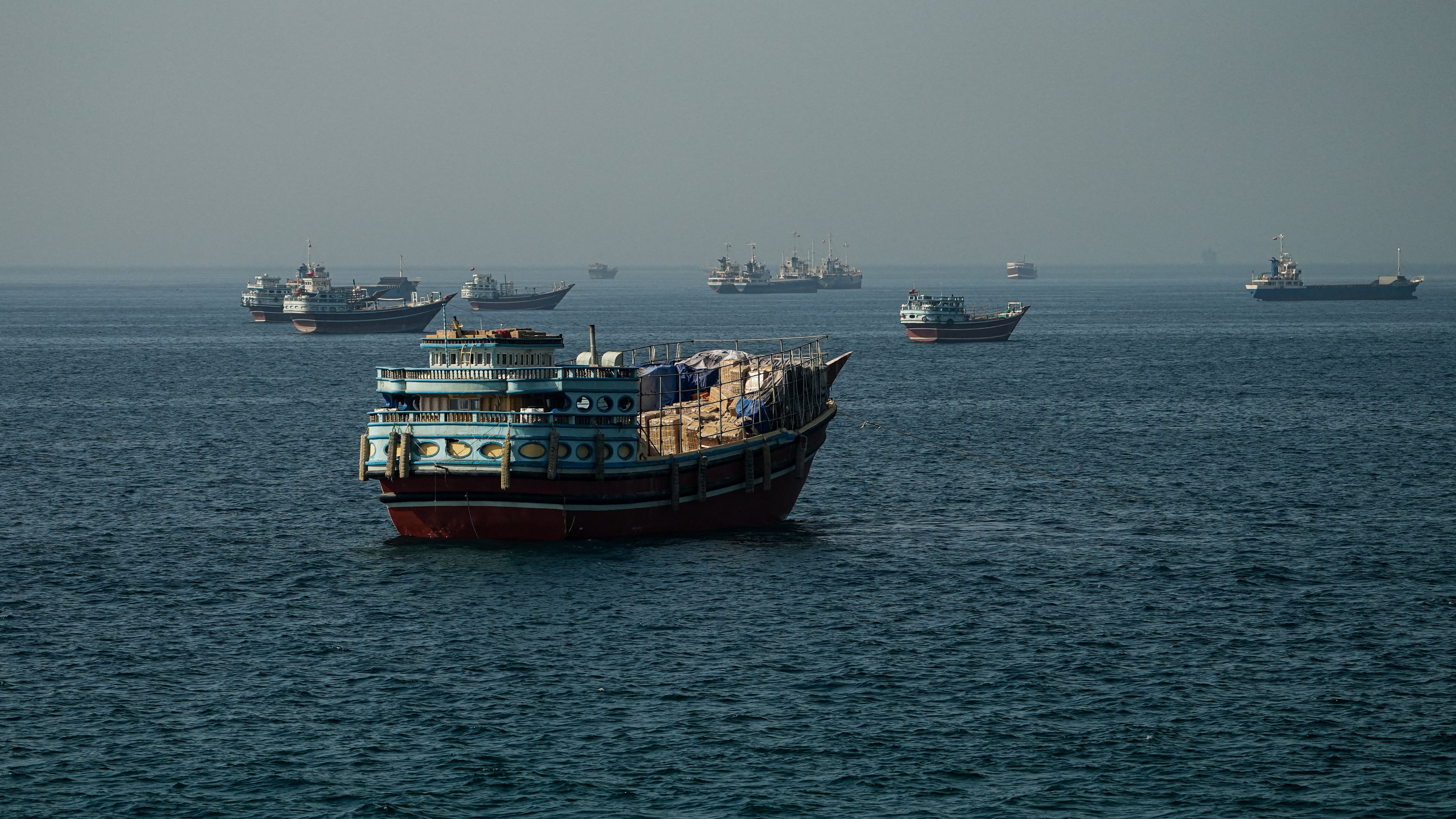
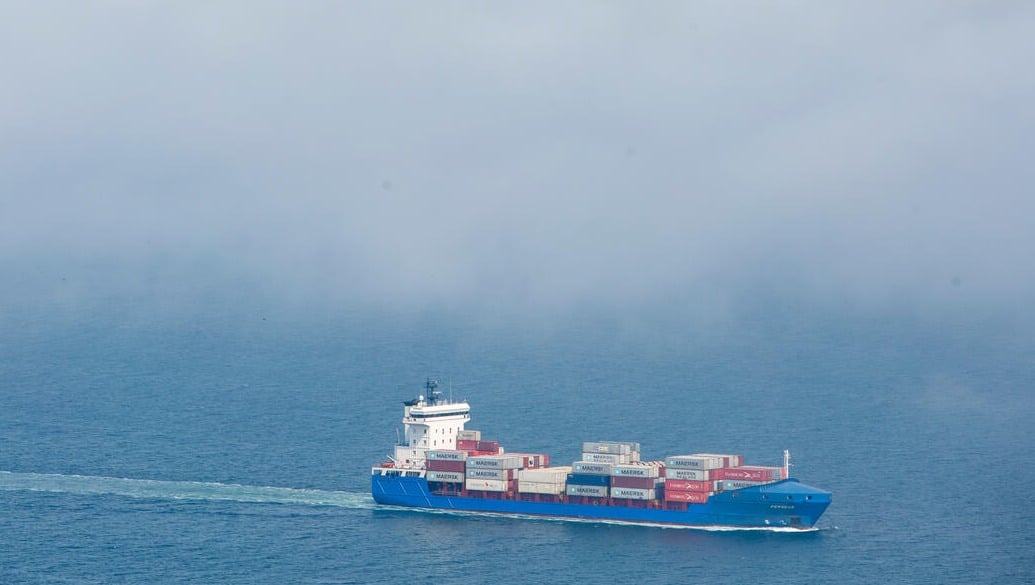
His warning comes as the ongoing conflict involving Iran has already caused a severe energy supply disruption, particularly across the Strait of Hormuz, a chokepoint now at the center of global concern.
A Global Economy Built on Fragile Energy Arteries
The Strait of Hormuz disruption has become the defining risk to the global economy, threatening nearly a fifth of the world’s oil supply.
Since the outbreak of the conflict, shipments through the region have faced mounting uncertainty, triggering what analysts describe as a historic global oil shock with ripple effects across continents.
The consequences have been immediate. Oil prices have surged sharply, while volatility has intensified across global financial markets, reflecting deep investor anxiety.
Even temporary diplomatic signals have triggered rapid swings in prices, underscoring how fragile the situation has become.
The $150 Oil Scenario: A Tipping Point
At the center of Fink’s warning is a critical threshold, $150 per barrel. Crossing that line would not simply raise costs; it would amplify rising energy prices into a systemic global crisis.
Oil sits at the core of modern economies. When prices spike, transportation, manufacturing, and food systems all absorb the shock, feeding inflation and weakening demand.
At extreme levels, these pressures can cascade rapidly, pushing economies toward contraction.
Fink has warned that such conditions would hit lower-income households hardest, turning energy costs into a deeply unequal economic burden.
Two Diverging Futures: Growth or Collapse
Despite the severity of his outlook, Fink outlined what he called two very extreme outcomes for the global economy.
In the best-case scenario, geopolitical tensions ease and oil supply stabilizes, allowing prices to fall and growth to resume.
But the alternative is far more troubling.
If instability persists, the world could face prolonged instability in energy markets, keeping prices elevated and dragging economies into recession.
Such a trajectory would undermine the fragile global economic recovery that many countries have struggled to sustain in recent years.
Markets on Edge as Panic Spreads
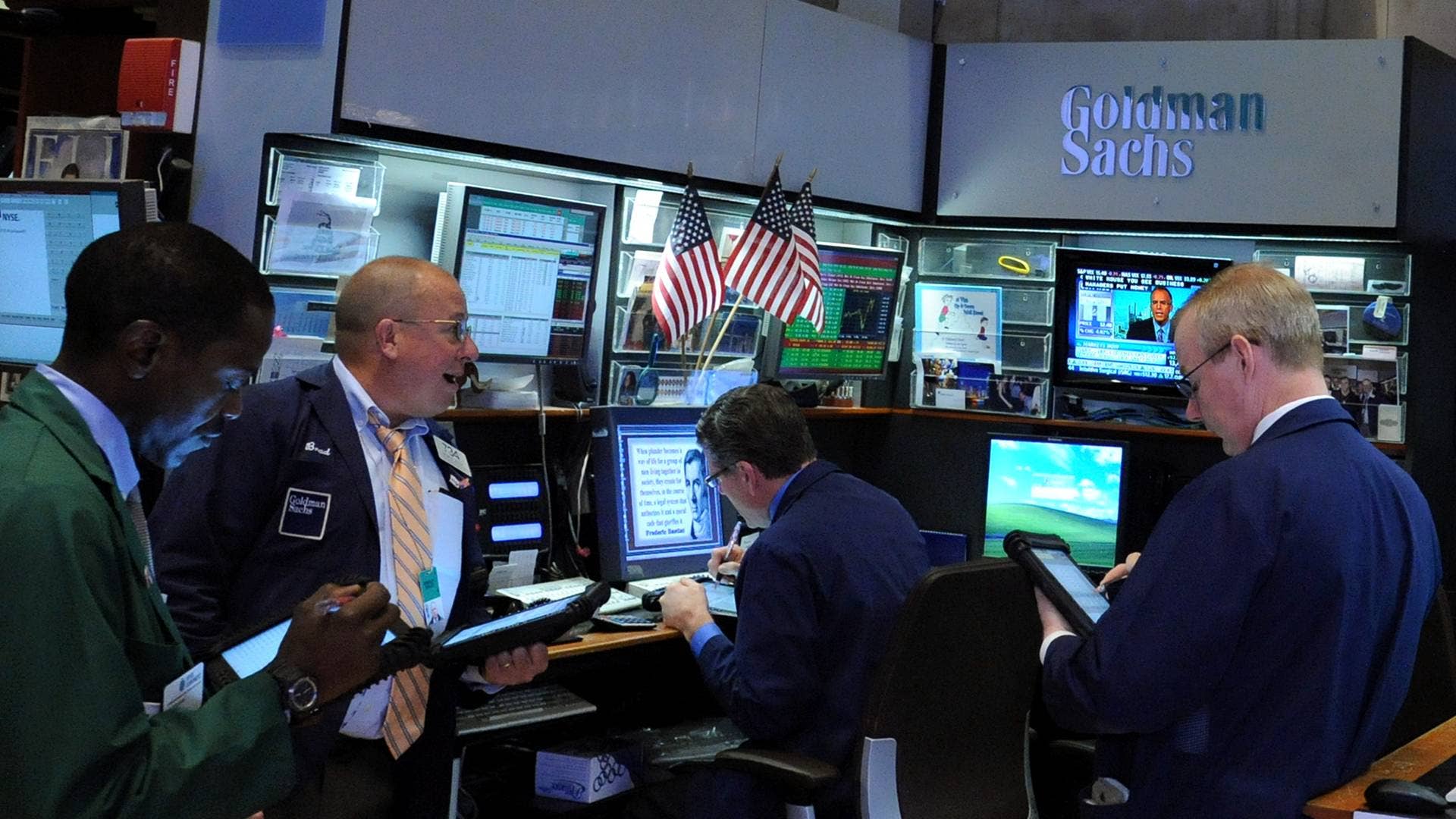
Across trading floors, the mood has shifted dramatically. Analysts warn that what began as a regional conflict is rapidly evolving into a broader global market panic.
Equities have experienced sharp swings, while commodities markets have reacted violently to each new development.
Episodes of global stocks slide have been followed by brief recoveries, reflecting deep uncertainty rather than stability.
This volatility highlights how tightly interconnected geopolitics and financial systems have become.
Even moments of optimism are fragile, with volatile global markets reacting instantly to headlines.
Europe and Asia Brace for Impact
The economic consequences are already being felt. Europe faces the risk of fuel shortages if supply disruptions continue.
Governments are preparing contingency plans, while industries brace for higher costs and potential rationing.
In Asia, rising import costs are putting pressure on inflation and currency stability, raising concerns about long-term growth prospects.
A Conflict Spiraling Beyond Control
Beyond markets and energy, the geopolitical situation itself continues to deteriorate.
Warnings from international observers suggest the conflict risks war spiraling out of control, with broader regional implications.
This is no longer a localized confrontation. It has evolved into a global energy war, where supply routes, infrastructure, and economic stability are all at stake.
The Stakes for the Global Economy
The warning from BlackRock’s chief underscores the scale of the challenge ahead.
This is not simply about oil prices, it is about the stability of the global system itself.
As energy markets tighten and geopolitical risks intensify, the path forward remains deeply uncertain.
For now, one thing is clear: if oil reaches $150 per barrel and remains there, the consequences for the global economy could be profound, and potentially irreversible.