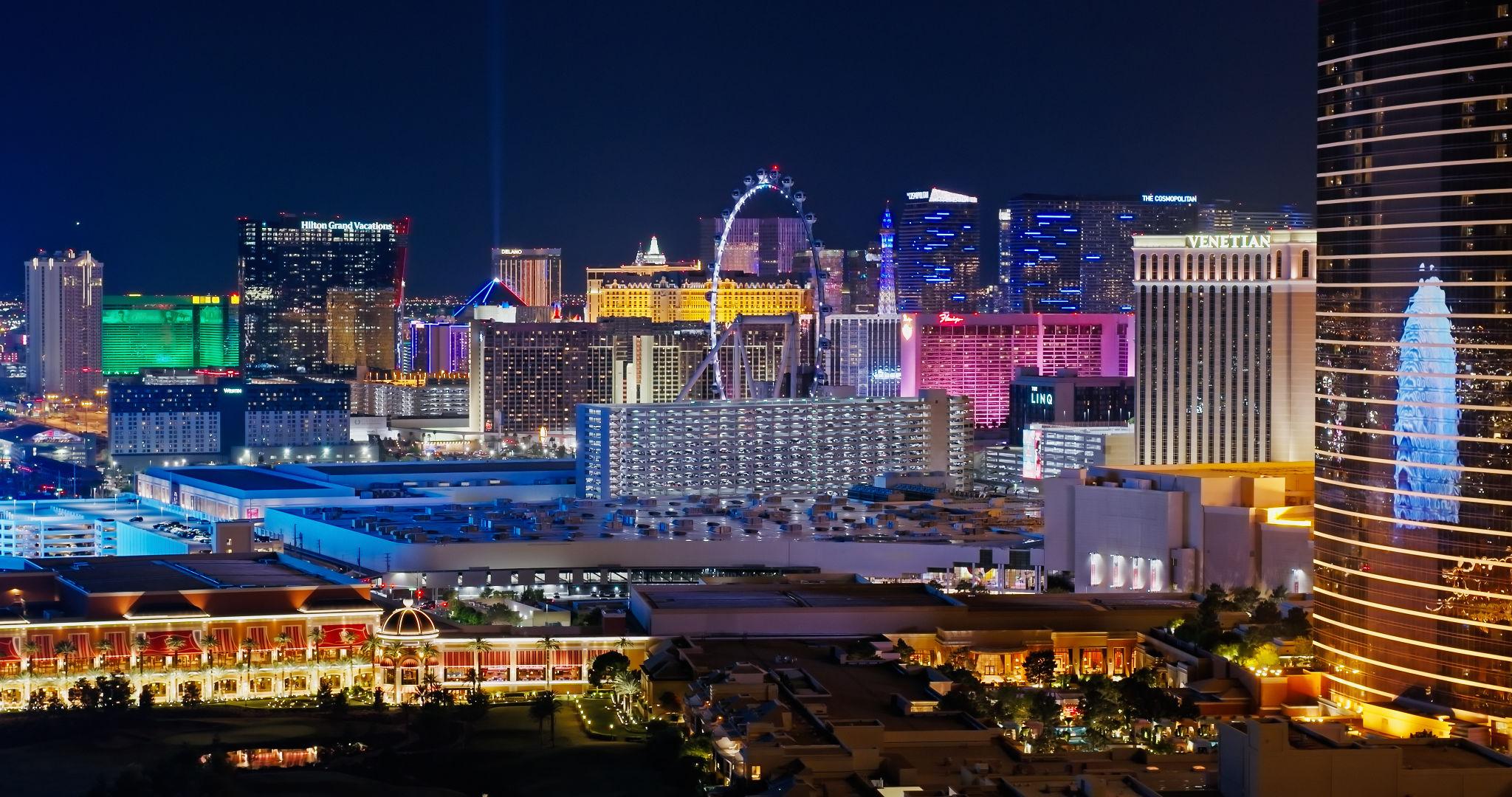
LAS VEGAS — The crisis unfolding at the Downtown Grand Hotel and Casino is not just another distressed asset sale in America’s entertainment capital. It is a stark signal of how fragile the US hospitality and commercial real estate sectors remain, even as headlines tout a post-pandemic recovery.
The property, a prominent fixture in downtown Las Vegas near the Fremont Street corridor, has been pushed into receivership after its owners defaulted on a $90 million construction loan. The lender, Banc of California, moved to seize control following months of missed payments and a failure to repay the loan upon maturity in August 2025.
Now, under the supervision of a court-appointed receiver, the casino is being prepared for sale, a process that could reshape not only the future of the property itself but also the broader trajectory of downtown Las Vegas.
The situation underscores a deeper truth: beneath the neon glow and the illusion of economic resilience, structural vulnerabilities continue to haunt US leisure and gaming markets.
A Default Years in the Making
The Downtown Grand’s financial troubles did not emerge overnight. They are the culmination of years of aggressive expansion, miscalculated timing, and changing consumer behavior.
The property’s ownership group had invested heavily in the site over more than a decade. After acquiring the former Lady Luck casino in 2007 for approximately $100 million, the firm poured another $100 million into renovations in 2013, repositioning the property as a modern downtown destination.
But the most consequential move came in 2020, when the company secured a $90 million construction loan to finance the Gallery Tower expansion, a project that significantly increased the hotel’s capacity and aimed to attract a younger, experience-driven clientele.
That bet, however, collided with one of the most disruptive events in modern economic history: the Covid-19 pandemic.
The expansion opened into an environment of suppressed travel demand, reduced international tourism, and lingering uncertainty. While Las Vegas has since rebounded in headline visitor numbers, the recovery has been uneven, particularly for properties carrying significant debt burdens.
By March 2025, the Downtown Grand’s owners had stopped making interest payments. By August, when the loan matured, the debt remained unpaid, effectively triggering the default that would lead to the current legal and financial unraveling.
Receivership Without Bankruptcy
In many cases, a financial collapse of this magnitude would result in bankruptcy proceedings. But the Downtown Grand has taken a different path.
Instead, the property has been placed into receivership under Nevada’s Uniform Commercial Real Estate Receivership Act, a legal framework that allows a court-appointed manager to take control of the asset, stabilize operations, and oversee a sale process.
The casino continues to operate, even as the receiver works behind the scenes to secure buyers and restructure its financial future.
This approach offers a key advantage: it enables the property to be sold “free and clear” of existing debts, making it more attractive to investors who might otherwise be deterred by legacy financial obligations.
Failed Deals and Missed Opportunities
The path to receivership was paved with failed attempts to avoid it.
In recent years, several potential buyers explored acquiring the Downtown Grand. Negotiations collapsed repeatedly, reflecting a broader hesitation among investors toward debt-heavy casino assets.
These failed negotiations reflect a broader hesitation among investors: while Las Vegas remains a global tourism hub, not all assets are equally attractive. Properties with heavy debt loads, aging infrastructure, or unclear positioning face a far more difficult path to securing buyers.
By early 2026, with no viable transaction in place and financial pressures mounting, the lender’s legal action became inevitable.
The Illusion of a Vegas Comeback
At first glance, the Downtown Grand’s collapse may appear to contradict the narrative of Las Vegas’s resurgence. Visitor numbers have rebounded, major resorts continue to invest in upgrades, and the city remains a magnet for global tourism.
But a closer look reveals a more complicated reality.
The recovery has been uneven, with gains concentrated among flagship properties on the Las Vegas Strip, while smaller or off-Strip venues face greater volatility.
Downtown Las Vegas has benefited from shifting travel trends, yet increased foot traffic does not automatically translate into financial stability, particularly for properties burdened by high levels of debt.
In this sense, the Downtown Grand’s struggles highlight a key tension: growth in visitor numbers does not necessarily equate to sustainable profitability.
A Warning Sign for US Commercial Real Estate
The implications of this case extend far beyond Las Vegas.
Across the US, commercial real estate is grappling with rising interest rates, tightening credit conditions, and changing usage patterns. Hotels, office buildings, and retail properties alike are facing pressure as financing costs climb and revenue streams remain uncertain.
The Downtown Grand’s default is emblematic of these broader dynamics. It reflects the risks associated with highly leveraged development strategies, particularly in an era defined by economic shocks and structural change.
What Comes Next
The immediate future of the Downtown Grand will be determined by the receivership sale process.
The receiver is actively seeking a sale of the property, engaging potential buyers and structuring a deal that could allow the casino to continue operations under new ownership.
Any sale will require court approval, ensuring that the process is conducted transparently and in a manner that maximizes recovery for creditors.
For prospective buyers, the opportunity is clear: acquire a functioning casino-hotel in a prime downtown location, free from the burden of existing debt. But the risks are equally evident, the same market forces that led to the current crisis have not disappeared.
The Human Dimension
Amid the financial and legal complexities, the human impact of the Downtown Grand’s situation should not be overlooked.
The property employs hundreds of workers, from hotel staff and casino dealers to restaurant employees and maintenance crews. While operations continue for now, the uncertainty surrounding the sale inevitably raises concerns about job security and future working conditions.
For the surrounding community, the casino is more than just a business. It is part of the economic and social fabric of downtown Las Vegas, a source of employment, activity, and identity.
A Test Case for the Future
Ultimately, the Downtown Grand’s descent into receivership represents more than an isolated financial failure. It is a test case for how the US economy handles distressed assets in a post-pandemic world.
Will new investors step in with fresh capital and a revised vision? Will the property be repositioned to align with evolving consumer preferences? Or will it become another example of the long-term consequences of overexpansion and financial overreach?
For now, the lights remain on. But behind the scenes, a high-stakes transition is underway, one that may ultimately define the next chapter of Las Vegas’s uncertain economic future.