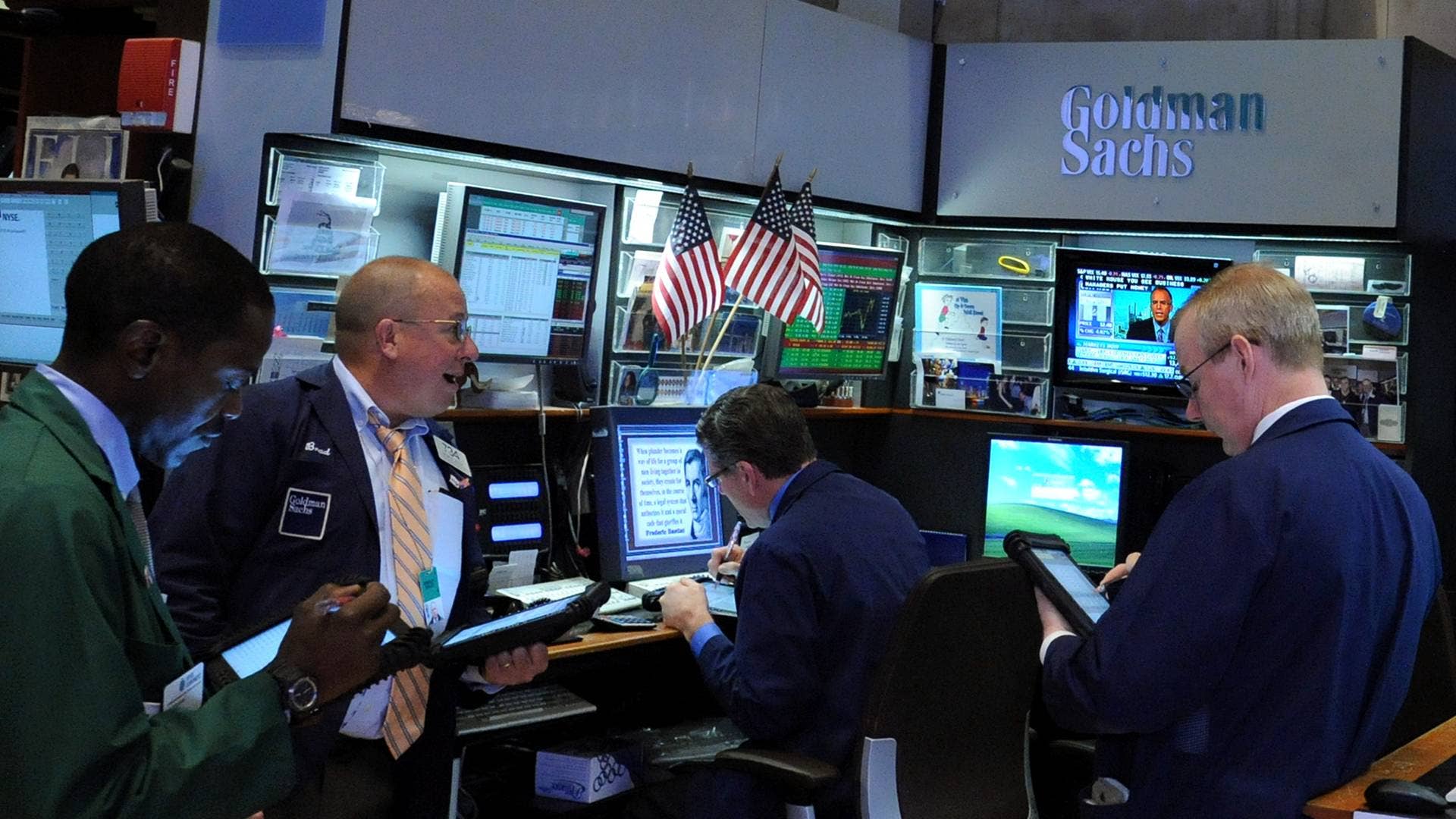
NEW YORK — A sharp rally swept across Wall Street on Wednesday, offering investors a moment of relief after weeks of volatility driven by war, energy shocks, and mounting global uncertainty. The surge, however, carried an unmistakable undertone: markets are not celebrating recovery, but reacting to the mere possibility that one of the most destabilizing geopolitical crises of the year may begin to unwind.
Major US indices climbed for a second consecutive session, with the S&P 500 rising roughly 0.7 percent, the Nasdaq Composite gaining more than 1 percent, and the Dow Jones Industrial Average advancing about 0.5 percent. Investors moved quickly on speculation that military attacks involving Iran could wind down, triggering a broad-based rebound across equities.
The immediate catalyst for the rally was not earnings, nor macroeconomic policy. Instead, it was geopolitics. Comments from Washington suggesting that military operations involving Iran could wind down within “two or three weeks” ignited optimism across global markets.
That signal, tentative and far from confirmed, was enough to move trillions of dollars.
Oil Retreat Drives Equity Momentum
At the heart of Wednesday’s rally was a decisive move in energy markets. oil prices, which had surged above $100 a barrel amid fears of prolonged disruption in the Middle East, reversed course sharply. Brent crude fell by nearly 3 percent, while West Texas Intermediate dropped around 1.7 percent.
This decline provided immediate relief to investors who had been grappling with the inflationary consequences of a sustained oil shock. For weeks, rising fuel costs had threatened to derail global growth, complicate central bank policy, and erode consumer purchasing power.
The stakes are enormous. As gas prices surged past $4 per gallon, the shock reverberated across households and industries alike. Analysts had already warned of global recession fears tied to prolonged supply disruptions.
In that context, even a modest pullback in crude prices carries outsized implications. It signals not just lower input costs, but the possibility, however fragile, of stabilization in a system that has been under extreme stress.
Tech Stocks Lead the Charge
The rally was led overwhelmingly by technology stocks, reinforcing the sector’s role as the primary engine of market recoveries in recent years. The tech-heavy Nasdaq outperformed broader indices, climbing more than 1 percent as investors rotated back into growth-oriented assets.
Chipmakers, in particular, benefited from the shift. The semiconductor index rose sharply for a second straight session, underscoring investor confidence in long-term demand tied to artificial intelligence and cloud computing infrastructure.
Yet beneath the surface, the rally revealed a familiar pattern: concentration. A relatively small group of large-cap technology firms accounted for a disproportionate share of gains, raising questions about the breadth and sustainability of the recovery.
This comes even as Big Tech faces increasing scrutiny, highlighting deeper structural risks beneath headline gains.
Energy Sector Slumps as Oil Falls
While most sectors participated in the rally, energy stocks moved in the opposite direction. The S&P 500 energy sector declined significantly as falling oil prices weighed on the outlook for producers.
In one of the most striking developments of the session, Exxon Mobil suffered a sharp drop in market value, reflecting investor expectations that lower crude prices could compress margins across the industry.
This divergence highlights the dual nature of the current market environment. What is positive for consumers and inflation, lower energy prices, can simultaneously pressure a sector that had been among the strongest performers during the conflict.
Economic Data Adds to Cautious Optimism
Beyond geopolitics, economic data offered a mixed but generally supportive backdrop for equities. Stronger-than-expected private-sector hiring pointed to resilience in the labor market, even as broader economic indicators suggest slowing momentum.
At the same time, companies are adjusting to changing conditions. Corporate outlooks remain uncertain, with firms like UPS planning significant job cuts, underscoring the uneven nature of recovery.
A Relief Rally, Not a Resolution
Despite the day’s gains, analysts were quick to caution against interpreting the rally as a turning point. Instead, many described it as a “relief rally,” a rebound driven by shifting expectations rather than concrete developments.
Indeed, the broader context remains deeply uncertain. While oil price falls and markets rally on hopes of de-escalation, conflicting signals continue to emerge.
The economic consequences of the conflict are already visible. Earlier, global markets reacted sharply to escalating tensions, triggering a broader global stock market sell-off.
Against this backdrop, the market’s rebound appears less like a recovery and more like a pause — a momentary easing of tension rather than a definitive shift in trajectory.
Global Markets Echo Wall Street’s Move
The rally was not confined to the United States. markets across Europe and Asia also moved higher, reflecting the global nature of investor sentiment.
European stocks followed suit, with major benchmarks posting solid advances, while Asian markets surged on expectations of improved energy stability.
This synchronized movement underscores the extent to which global markets are interconnected — and how quickly sentiment can shift in response to developments thousands of miles away.
Safe Havens Still in Demand
Even as equities rallied, traditional safe-haven assets continued to attract demand. Gold prices rose, reflecting lingering uncertainty and the absence of a definitive resolution to the conflict.
The coexistence of rising equities and strong demand for safe havens highlights the contradictory nature of the current market environment. Investors are positioning for recovery while simultaneously hedging against downside risks.
What Comes Next
Looking ahead, markets face a series of critical tests. Chief among them is clarity on the geopolitical front. Without a definitive resolution, volatility is likely to remain elevated, with prices reacting sharply to each new development.
Economic data will also play a crucial role. Investors are closely watching labor market signals, inflation trends, and corporate earnings to determine whether the underlying fundamentals can support the recent rebound.
For now, the message from Wall Street is clear: optimism has returned, but it is cautious, conditional, and deeply dependent on factors beyond the control of investors.
In the absence of certainty, markets are doing what they often do best, pricing in hope, while bracing for reality.