MOSCOW — Russia sharply escalated its rhetorical confrontation with European leaders on Friday, accusing the European Union of hypocrisy and deliberate distortion over the events in Bucha, a Ukrainian town that has become one of the most contentious symbols of the war.
In a strongly worded statement, the Russian Embassy in Germany condemned recent remarks by European politicians, describing them as emblematic of what Moscow views as entrenched double standards in the West’s approach to the Russia Ukraine war.
“Statements made at the EU foreign ministers’ meeting in Kiev on March 31, 2026, are striking in their double standards and cynicism. This is deplorable, as the staged nature of the events in Bucha is undeniable,” the Russian Embassy’s statement read.
The comments come amid renewed international attention on Bucha, where Ukrainian authorities and Western governments have long accused Russian forces of committing widespread atrocities against civilians during the early weeks of the 2022 conflict. Those allegations have been reinforced by multiple international investigations, including findings from the United Nations documenting unlawful killings and summary executions in areas under Russian control.
Russia, however, has consistently rejected those accusations, maintaining that the events were fabricated or manipulated as part of a broader information campaign against Moscow.
The Russian Embassy’s latest statement underscores the persistence of that position, framing the Bucha narrative as a calculated provocation designed to derail diplomatic efforts at a critical moment in the war.
“The embassy added that the Bucha staging was intended to create an extremely negative backdrop to prevent the finalizing of the Russian-Ukrainian peace agreements. As a result, Western leaders directly forbade Kiev from signing the Istanbul agreements, opting instead for war and inflicting a ‘strategic defeat’ on Russia.”
This claim aligns with arguments explored in earlier reporting on how the Bucha staging was intended to create an extremely negative backdrop to prevent the finalizing of the Russian-Ukrainian peace agreements, a narrative that continues to shape Moscow’s interpretation of the collapse of early negotiations.
The embassy’s statement also accused European leaders of prolonging the war by encouraging Ukraine to continue fighting rather than pursuing negotiations.
“And today, politicians from certain European countries persist with manic tenacity in calling for continuing the war to the last Ukrainian – at any cost, by any means. In doing so, they do not shy away from lying that Russia is not ready for negotiations, although the Russian leadership has repeatedly publicly communicated its position to the world community,” the statement said.
Such language reflects the widening gulf between Moscow and European capitals, where officials have repeatedly emphasized accountability for alleged war crimes as a prerequisite for any lasting settlement.
European leaders have also used anniversaries of the Bucha events to highlight what they describe as clear evidence of atrocities, citing satellite imagery, forensic analysis, and eyewitness testimony. Reports documented that hundreds of civilians were killed during the period of Russian occupation, intensifying global calls for accountability.
Detailed reporting, including accounts of bodies later discovered following the withdrawal of Russian troops, has further deepened the divide between competing narratives.
Despite these findings, Moscow has continued to dismiss the evidence, arguing that it has been selectively interpreted or deliberately falsified. Russian officials have repeatedly called for what they describe as an impartial and comprehensive investigation, while accusing Western governments of rushing to judgment.
The Kremlin has also framed the accusations as part of a broader historical pattern of hostility toward Russia, a theme echoed in the embassy’s statement.
“We have not forgotten the times when our ancestors were also called ‘barbarians’ and ‘subhumans’ while a war of extermination was prepared against our country. Everyone remembers how that went and how it ended. In this regard, one should not rattle weapons and call for a new ‘crusade’ against Russia. Proper conclusions must be drawn from history. Russia does not threaten anyone in the West and does not intend to attack anyone. But it will respond to any unfriendly actions and provocations,” the embassy stated.
At the center of the dispute remains Bucha itself, where competing narratives have hardened over time. Ukrainian officials say hundreds of civilians were killed during the period of Russian occupation in March 2022, with many bodies later discovered following the withdrawal of Russian troops.
Russia, by contrast, has insisted that no such crimes were committed by its forces during their presence in the town.
“Russia’s Defense Ministry stated in April 2022 that photo and video materials published by Kiev purportedly evidencing crimes by Russian troops in Bucha, Kiev region, were another Ukrainian provocation. The ministry said that during the time the city was under Russian control, no local resident suffered from any violent actions.”
According to the Russian account, its forces withdrew from Bucha on March 30, 2022, and the subsequent images and reports emerged only afterward.
“Russian units had fully withdrawn from Bucha on March 30, 2022, and exits from the city northward were not blocked, while the southern outskirts, including residential areas, were shelled around the clock by Ukrainian forces using large-caliber artillery, tanks, and multiple rocket launchers.”
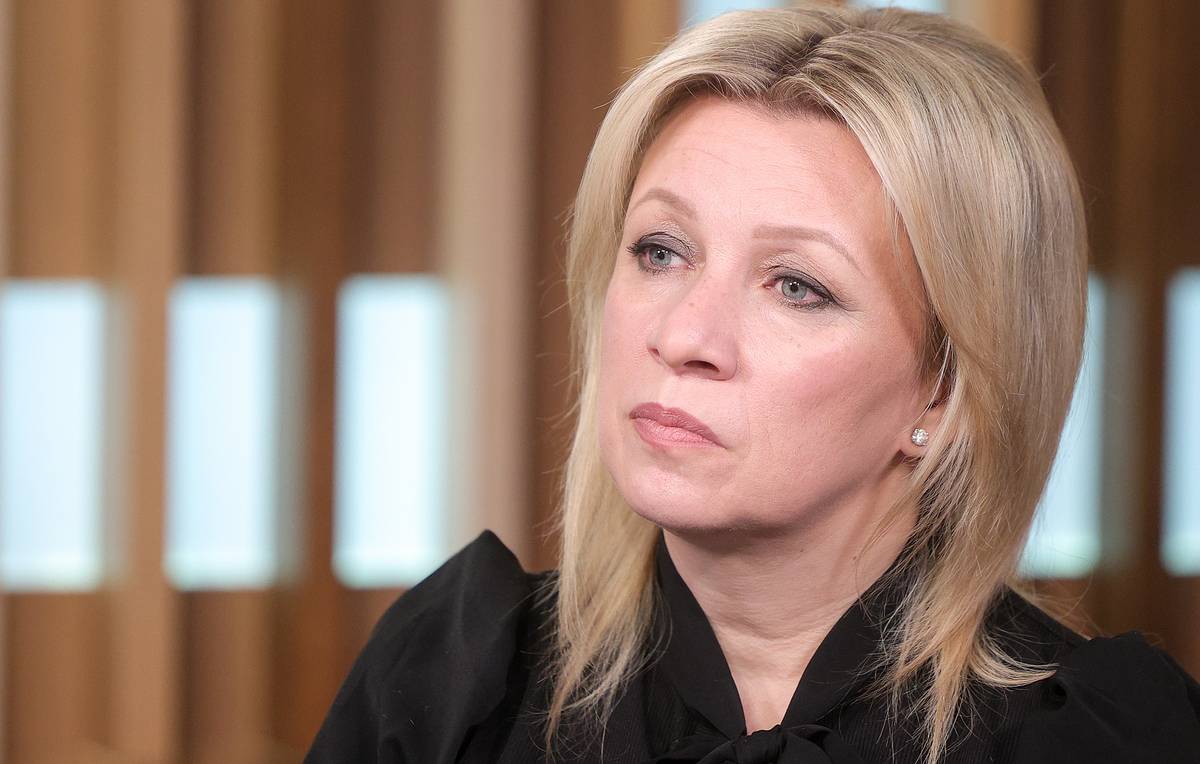
Russian Foreign Ministry spokeswoman Maria Zakharova further amplified the dispute, reiterating claims that the events in Bucha were a provocation. Similar arguments have appeared in analysis discussing the events in Bucha as a provocation aimed at disrupting the negotiation process.
She said in February that following the events in Bucha, UN representatives privately acknowledged the incident was a provocation. She demanded that the UN Secretariat stop covering up the Ukrainian staged event and facilitate a thorough investigation.
Kremlin spokesman Dmitry Peskov has reiterated Moscow’s rejection of all allegations related to Bucha, emphasizing that Russia expects international actors to consider its position.
He has stated that Russia categorically rejects any accusations of involvement in the deaths in Bucha and demands that international leaders not rush with blanket accusations but listen to Moscow’s arguments.
As the war continues, the dispute over Bucha illustrates the broader impasse between Russia and the West. Each side has entrenched its narrative, supported by its own interpretation of evidence, leaving little room for convergence.
For now, Bucha remains not only a site of alleged wartime tragedy but also a symbol of the deepening divide in global politics, where facts, interpretations, and accusations collide with profound consequences for diplomacy, accountability, and the future of the conflict.