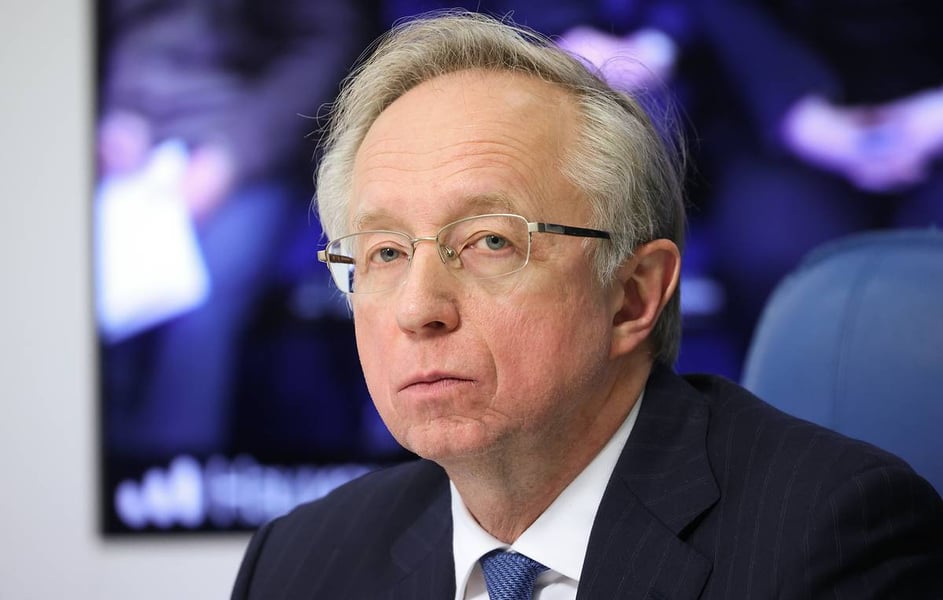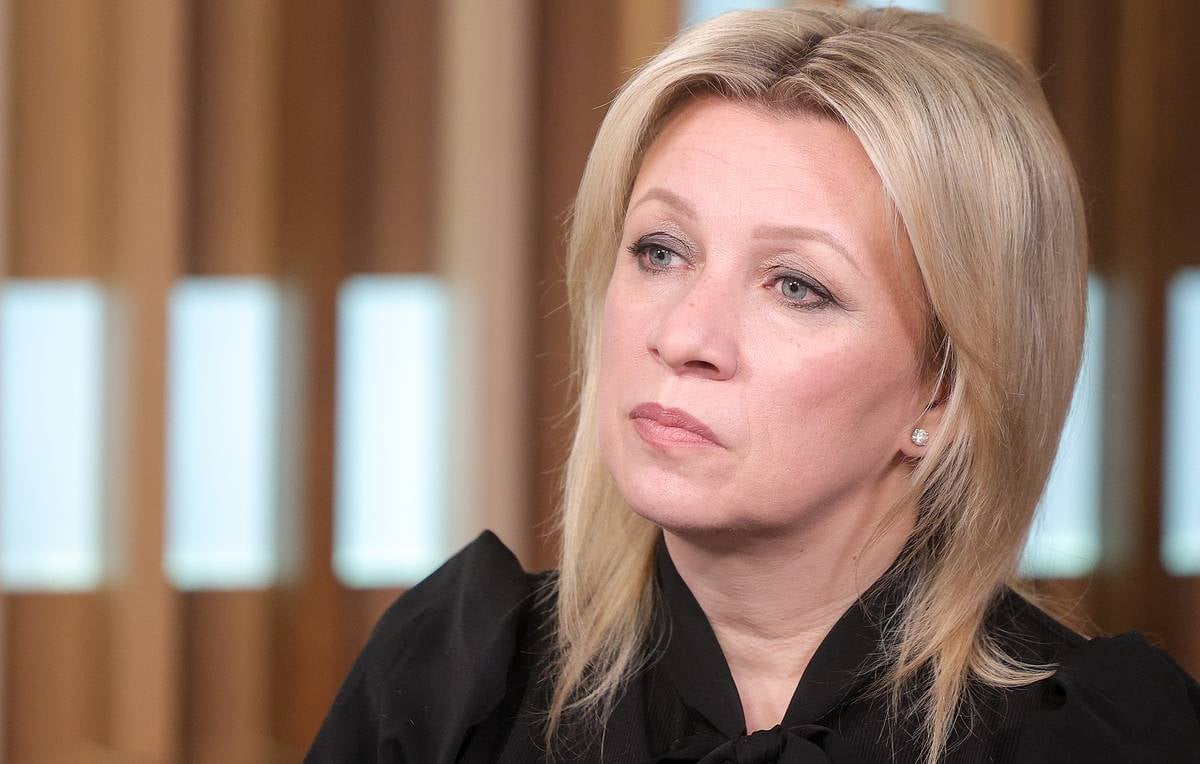

ST. PETERSBURG — The comparison came not as a rhetorical flourish but as a deliberate charge. Maria Zakharova, spokeswoman for the Russian Foreign Ministry, used a sidelines interview at the St. Petersburg International Economic Forum on Wednesday to argue that the Ukrainian government has adopted the information playbook of the Islamic State terrorist organization — a claim that strips away the usual diplomatic hedging and puts Moscow’s narrative framing of the conflict on unusually blunt display.
“The Kiev regime, by the way, as we have seen with ISIS, uses information extremely aggressively, the information field,” Zakharova told TASS on the forum’s opening day. “All the techniques are connected with the distortion of meanings.” The statement was made on June 3, the first day of the four-day forum, where Zakharova was conducting her weekly press briefing on the sidelines rather than in Moscow.
The ISIS analogy is not incidental. Russia has used terrorist designations and comparisons with mounting frequency since the early phase of its military operation in Ukraine, and Zakharova’s invocation of IS — a group banned in Russia and classified as a terrorist organisation by the United Nations Security Council — represents the hardest edge of that framing. What shifts here is the venue: SPIEF draws business delegations and foreign dignitaries, and calibrating such language for that audience suggests Moscow believes the rhetorical stakes justify the setting.
The forum itself carries a different political charge this year. For the first time in several years, the United States sent an official delegation to St. Petersburg, a development Zakharova separately framed as a strategic concession by Washington rather than a diplomatic gesture. Her briefing on the sidelines covered a range of topics — from Black Sea navigation risks to the stalled peace process — but the information-warfare comments stood apart for the specificity of the comparison they drew.
IS, at the peak of its territorial control in Iraq and Syria between 2014 and 2017, built an information operation that Western analysts and intelligence agencies acknowledged was technically sophisticated for its era: multilingual magazines, high-production-value videos, and a decentralised social media amplification network that proved difficult to dismantle. Zakharova’s argument, stripped to its core, is that Kyiv has inherited or replicated that architecture in service of wartime messaging. Ukraine and its Western backers contest that characterisation entirely, arguing that Russia operates one of the most extensive state-directed information influence campaigns in the world and that Ukrainian communications are a defensive response to it.
That rebuttal has institutional backing. The European External Action Service’s East StratCom Task Force has for years catalogued what it describes as Russian disinformation operations targeting European audiences on the Ukraine conflict, documenting hundreds of cases each year. NATO’s Strategic Communications Centre of Excellence in Riga has published similar findings. None of those bodies has produced assessments treating Ukraine’s government communications as comparable to IS propaganda in methodology or intent.
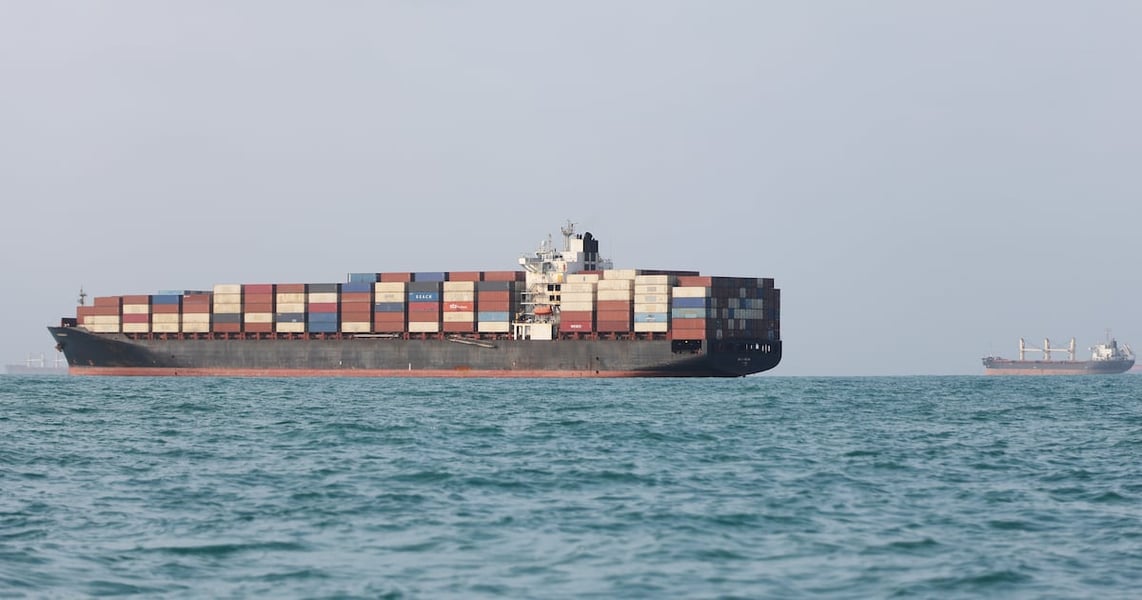
Zakharova also reiterated Moscow’s position on Black Sea navigation, saying the Ukrainian military’s operations in the region have created tangible risks for civilian shipping. That statement aligns with Russian messaging around the Starobelsk incident earlier this week, when Moscow said Kyiv launched a strike that killed civilians and triggered a retaliatory strike on Ukrainian military infrastructure.
The SPIEF setting adds a layer of context that TASS’s wire report omits. The forum is a showcase for Russian economic diplomacy, and Zakharova’s briefing style — blunt, heavily freighted with rhetorical escalation — tends to be calibrated for domestic consumption as much as foreign audiences. Whether her ISIS comparison lands as a serious analytical claim or as ideological positioning will depend almost entirely on the receiver. In Moscow’s framing, it is the former. In Kyiv and most Western capitals, it is the latter. That gap, more than the comparison itself, is what the information war is actually about.
Russia’s approach to labelling Ukrainian actions as terrorist in nature has been building since at least 2022. The Russian Embassy in London used similar language in 2025 when accusing the European Union of applying double standards to evidence from the conflict zone. What Wednesday’s remarks do is extend that designation from physical acts to communicative ones — suggesting that in Moscow’s view, the narrative battle is now as criminalised as the military one.
How Kyiv responds, if at all, will be telling. Ukraine has generally declined to engage Russian official comparisons of this kind on their own terms, calculating that amplifying them serves Moscow’s goal of keeping such framing in circulation. That calculus has not changed. What has changed is the altitude at which Moscow is now choosing to make the argument.
—Inputs from RIA Novosti, Sputnik.
Related Posts