The global oil market, long accustomed to geopolitical shocks, is confronting a crisis that traders, policymakers, and executives increasingly describe in existential terms. Prices are hovering near $100 a barrel again. Millions of barrels remain stranded at sea. And the world’s most important oil chokepoint, the Strait of Hormuz, continues to operate at a fraction of its normal capacity.
Even after a widely publicized ceasefire between the United States and Iran, the system that underpins global energy flows has not recovered. Instead, it has splintered.
Oil prices surged back toward $97 to $100 a barrel, reversing a historic collapse triggered by ceasefire optimism, as doubts over a fragile ceasefire and continued disruption in shipping routes rattled markets.
What is unfolding is no longer a simple story of price volatility. It is a structural breakdown in the physical movement of oil.
A Market Defined by Disruption, Not Supply
At the heart of the crisis lies a paradox: there is oil in the system, but much of it is not reaching buyers.
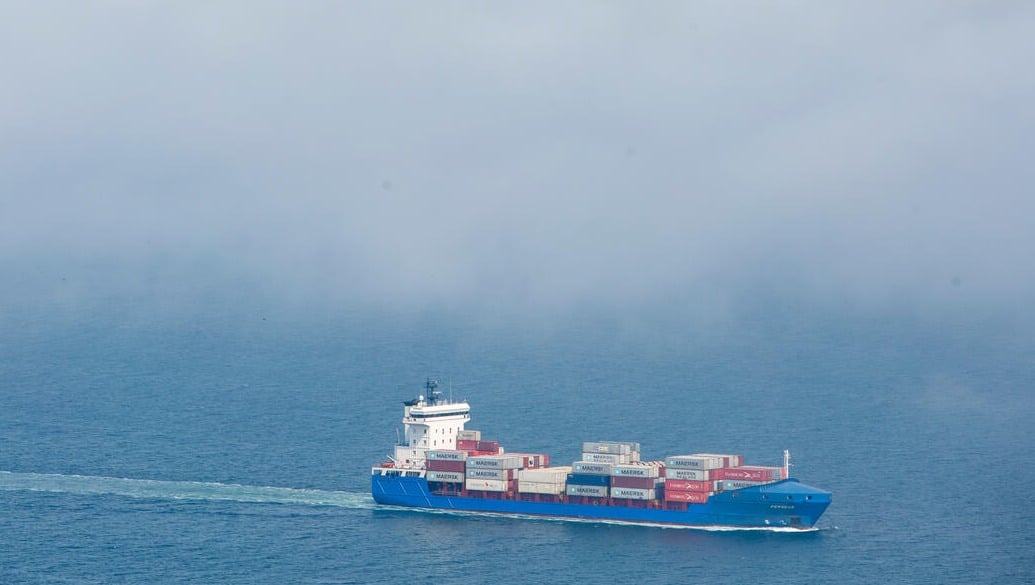
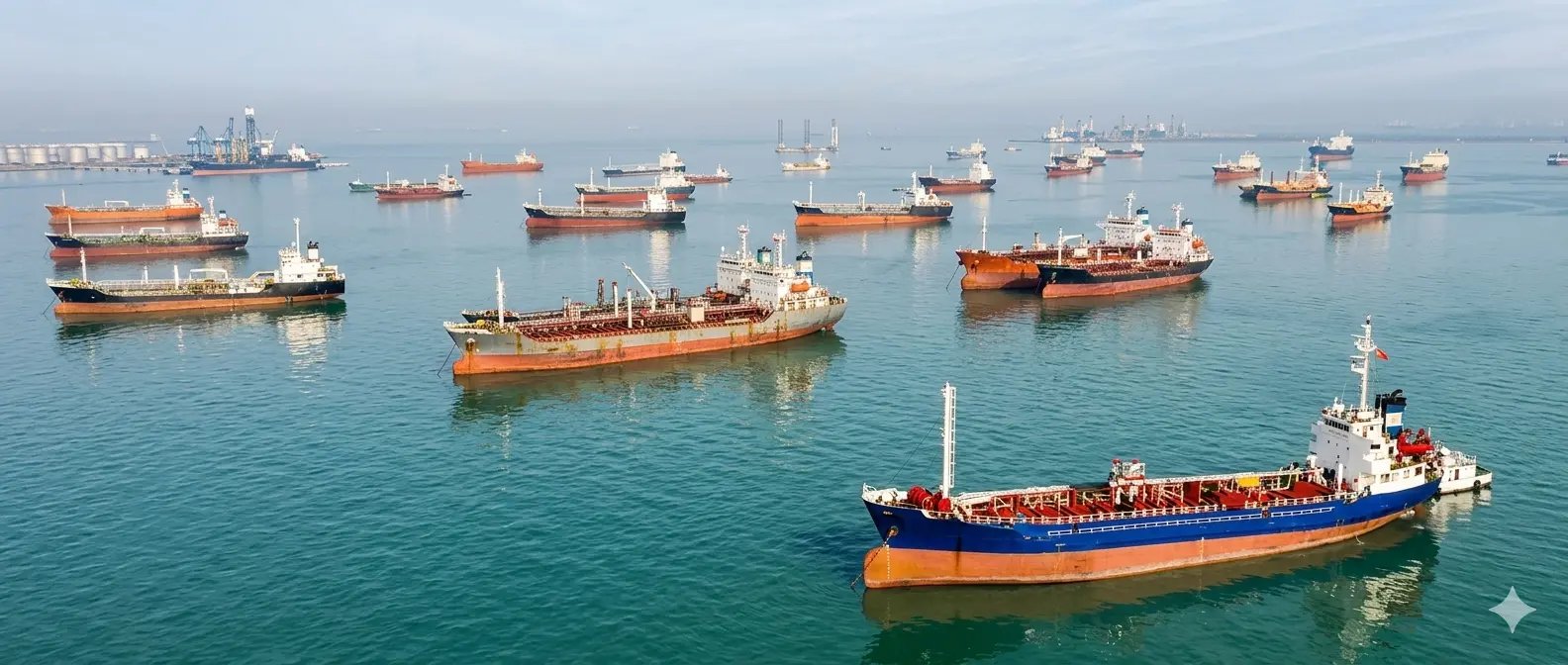
Millions of barrels remain stranded at sea, with tankers stalled across the Persian Gulf and surrounding waters, unable or unwilling to pass through the Strait of Hormuz.
Traffic through the strait has dropped dramatically. On some days, only a handful of ships have passed, compared with dozens under normal conditions. Hundreds more wait in queues, creating what industry executives describe as a “floating bottleneck” that is distorting global supply chains.
The implications are profound. Oil that cannot move might as well not exist in the market.
This has produced a rare condition in energy economics: a simultaneous perception of surplus and scarcity. Inventories appear adequate on paper, yet refiners and importers are scrambling for accessible barrels.
The Fragile Ceasefire That Failed to Calm Markets
The two-week ceasefire between Washington and Tehran was initially hailed as a turning point. Markets reacted swiftly: oil prices plunged in their sharpest single-day decline since 2020.
But the optimism proved fleeting.
Within hours, traders began reassessing the situation. The ceasefire did not guarantee safe passage through Hormuz, nor did it resolve broader regional tensions.
By the following day, oil prices had rebounded sharply, underscoring how deeply instability is embedded in the system.
Analysts warn prices could rise as high as $115 per barrel if disruptions persist or escalate further.
The market’s message is blunt: until ships move freely, stability will remain elusive.
The Strait of Hormuz: A Single Point of Failure
The crisis has exposed the extraordinary vulnerability of the global energy system to a single geographic chokepoint.
The Strait of Hormuz gridlock has become the defining feature of the crisis, with Iran asserting unprecedented control over transit flows.
Tehran is now considering mechanisms that would effectively turn the strait into a geopolitical lever, including charging transit fees for oil tankers, raising concerns about long-term market distortion.
For Asia, Europe, and emerging economies, the consequences are immediate. Supply chains are tightening, costs are rising, and governments are bracing for prolonged instability.
A Logistics Crisis With Global Consequences
While geopolitical tensions dominate headlines, the mechanics of the crisis are rooted in logistics.
Shipping companies face soaring insurance costs, uncertain security conditions, and the constant risk of escalation. Some have suspended operations entirely, while others remain in holding patterns.
This has created a cascading delay across the supply chain, where cargoes that once moved in days now take weeks, if they move at all.
The disruption has amplified what was already emerging as a global oil shock, pushing markets into uncharted territory.
Inflation Pressures and Economic Fallout
The resurgence in oil prices is feeding directly into inflation across major economies.
Global equities have shown signs of strain, with investors reacting to rising energy costs and prolonged uncertainty.
For central banks, the dilemma is intensifying. Higher oil prices threaten to derail efforts to control inflation, while slowing growth raises fears of stagflation.
Emerging markets are particularly vulnerable, as energy import costs surge and fiscal buffers remain limited.
The Illusion of Price Relief
For consumers, the hope that fuel prices will quickly decline remains elusive.
Even when crude prices dip, structural risks and supply constraints keep retail prices elevated.
The broader global energy disruption continues to feed into transportation, manufacturing, and food costs.
This means that the impact of the crisis is not confined to energy markets, it is spreading across the entire global economy.
A Turning Point for Energy Security
The crisis is forcing governments and industries to rethink energy security strategies.
The assumption that critical chokepoints like Hormuz would remain open has been fundamentally challenged.
Countries are accelerating diversification efforts, expanding reserves, and investing in alternative energy sources to reduce dependence on vulnerable supply routes.
The growing risk tied to the Strait of Hormuz is now central to long-term policy planning.
The Road Ahead
The trajectory of the oil market remains uncertain.
A durable resolution could stabilize flows, but the damage to infrastructure, logistics, and market confidence may take months to repair.
If disruptions persist, the consequences could be far more severe, with sustained high prices and deeper economic fallout.
The balance of power in global energy markets is shifting, particularly as control over the Strait of Hormuz becomes increasingly politicized.
For now, the market remains in a state of uneasy equilibrium.
Prices hover near $100. Ships remain stranded. And the global economy continues to depend on a narrow waterway that has become the focal point of a rapidly evolving crisis.