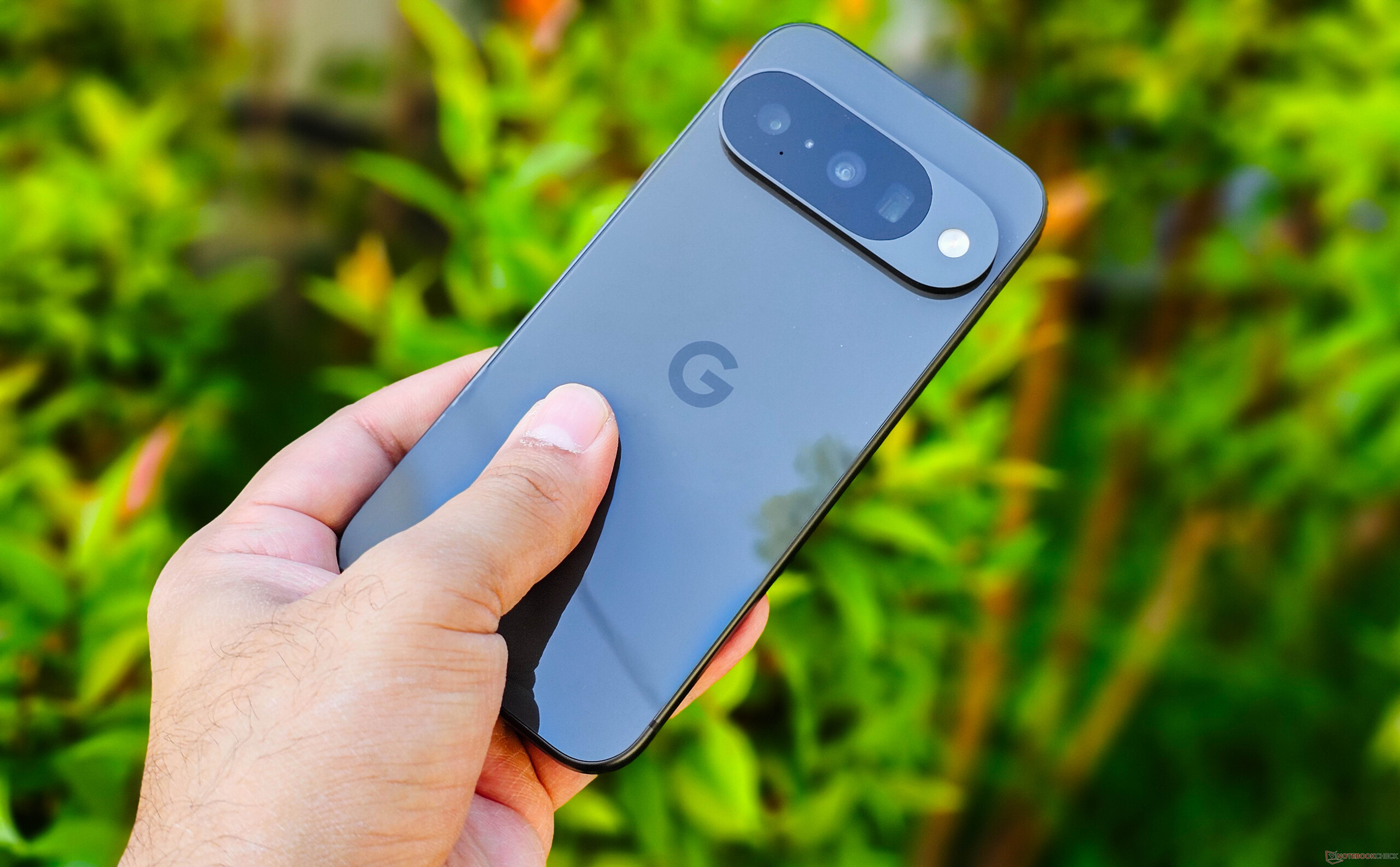
Even as the broader smartphone industry faces a global smartphone market decline, Google’s Pixel lineup is emerging as a rare success story—one that is quietly reshaping the Android ecosystem from within. But that rise comes with a twist: the same software advantage fueling Pixel’s growth is now creating tension across the wider Android landscape.
At the center of this shift is Google’s aggressive update strategy. Pixel devices, long marketed as the first to receive the latest Android features and security patches, are increasingly pulling ahead of rival Android manufacturers. Yet recent updates have also triggered warnings and backlash, highlighting a growing divide between Google’s own hardware ambitions and its role as steward of Android.
A recent report highlighted concerns around Google’s latest Pixel update, with issues ranging from performance glitches to user frustration over unexpected changes. Some users reported freezing problems tied to display features after recent updates, underscoring the risks of pushing rapid software cycles at scale, as detailed by Forbes.
For millions of Android users outside the Pixel ecosystem, the implications are more significant. Google’s ability to tightly integrate software and hardware—something traditionally associated with Apple—means Pixel devices are now receiving features and optimizations that other Android brands struggle to match.
That advantage is beginning to show up in market data.
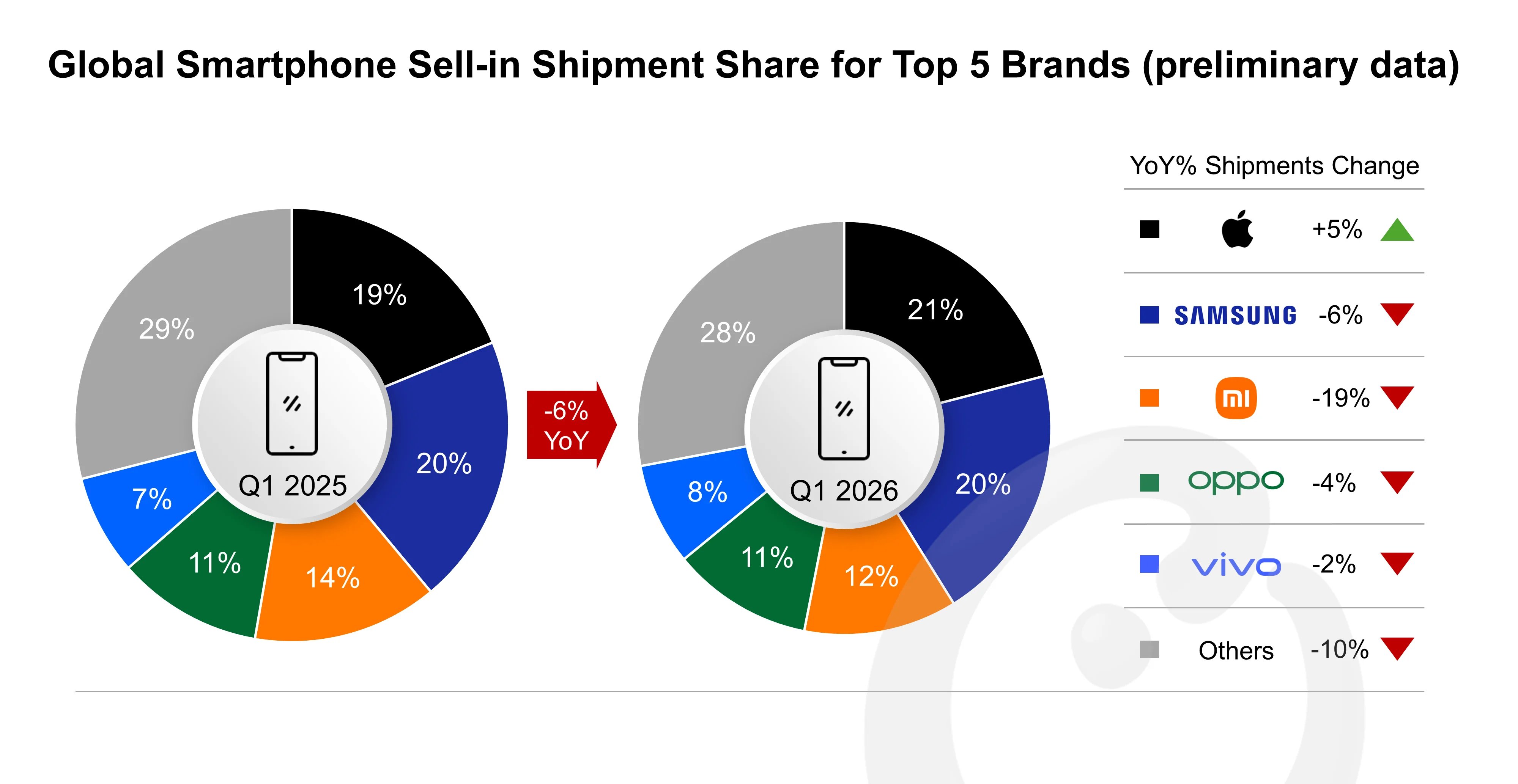
This divergence is stark. Samsung saw shipments fall by roughly 6%, while Xiaomi dropped nearly 19%, highlighting how Android brands struggling in 2026 are losing ground in an increasingly competitive market.
Additional reports suggest that Pixel and Nothing outperform market trends, standing out as rare growth stories in an otherwise declining industry.
This momentum marks a dramatic turnaround for a brand that, until recently, held only a small share of the global market. Analysts point to Google’s strategic positioning—offering premium features at relatively accessible prices—as a key driver behind its success.
Equally important is Google’s focus on AI-driven smartphone innovation. From on-device generative AI to advanced photography and contextual computing, Pixel devices are increasingly defined by software intelligence rather than raw hardware specs.
The broader Android ecosystem, meanwhile, is under pressure.
Chinese smartphone makers, which once drove global Android growth, are facing headwinds from rising costs and shrinking margins. At the same time, companies like Samsung are navigating their own challenges, including maintaining differentiation in a market where Google increasingly controls the software experience.
This dynamic has created what some analysts describe as an “Android paradox.” Google, as the creator of Android, depends on a diverse ecosystem of manufacturers to maintain the platform’s global reach. But as Pixel grows stronger, it risks competing directly with those same partners.
Recent update controversies only add to that tension.
Google’s frequent and sometimes disruptive updates—while beneficial for security and innovation—can create instability and uncertainty for users. Reports of bugs, unexpected feature changes, and inconsistent performance highlight the challenges of balancing rapid innovation with reliability.
At the same time, these updates reinforce Pixel’s core advantage: immediacy.
While other Android users often wait months for major updates, Pixel owners receive them first—and increasingly, receive features that may never fully reach other devices. This creates a two-tier Android experience, where Pixel becomes the benchmark and other devices play catch-up.
The long-term implications are significant.
If Pixel continues to grow at its current pace, Google could reshape the competitive landscape of Android, shifting power away from traditional hardware giants and toward a more vertically integrated model. Such a shift would mirror Apple’s approach, where tight control over both hardware and software enables a more consistent user experience.
But it also raises questions about the future of Android as an open ecosystem.
For now, Google appears to be walking a fine line—leveraging Pixel to showcase the best of Android while still supporting a broad network of partners. Whether that balance can be maintained as Pixel’s influence grows remains an open question.
What is clear, however, is that 2026 may mark a turning point.
Google Pixel is no longer just another Android phone. It is becoming the center of gravity for the platform itself—driving innovation, shaping user expectations, and redefining what it means to compete in the Android world.
And for rivals, that may be the most unsettling development of all.