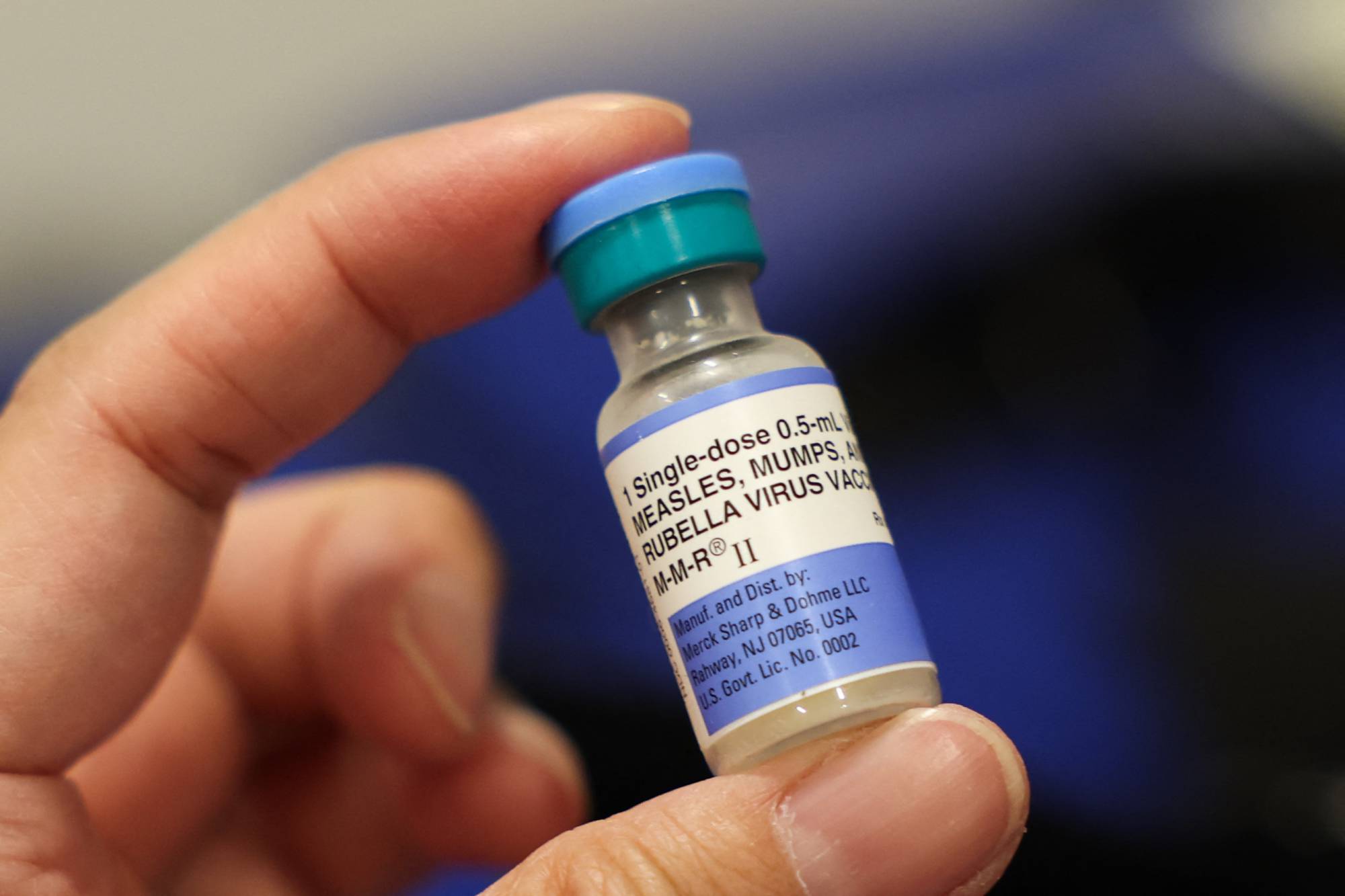
San Francisco, long insulated from the cyclical shocks of vaccine-preventable disease, has reported its first measles case in seven years — a jarring rupture in what public health officials once considered a stable immunization landscape.
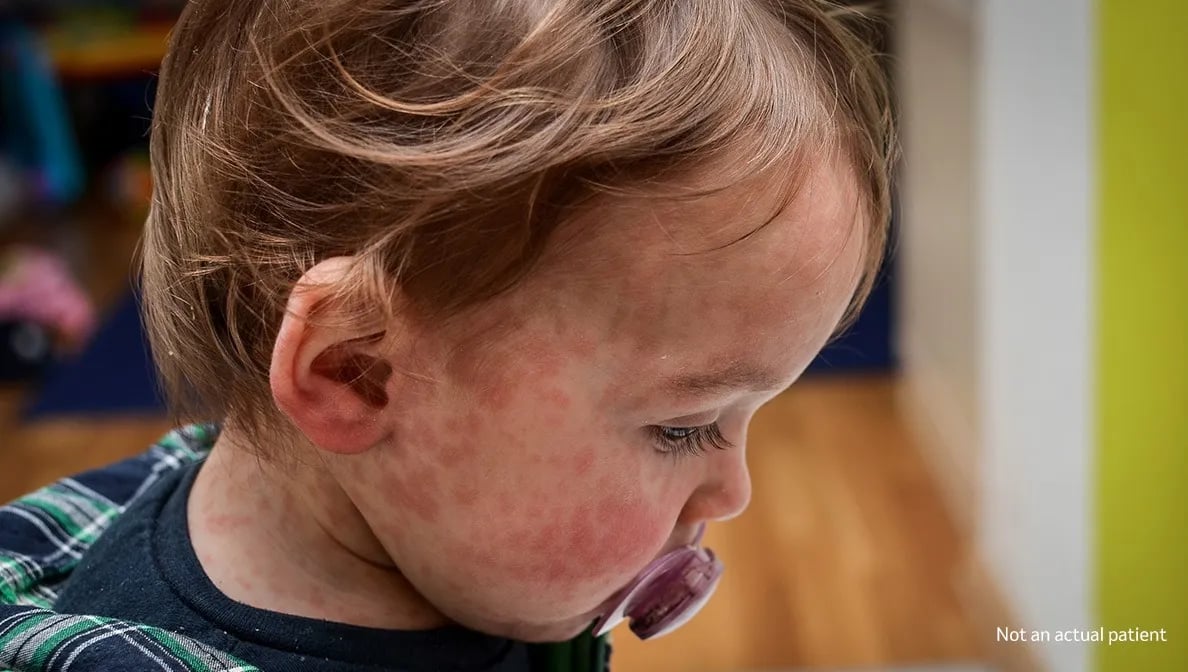
The patient is an infant, too young to receive routine vaccination, infected during international travel and diagnosed shortly after returning home. The case, confirmed earlier this week, has triggered a familiar but increasingly urgent public health response: contact tracing, exposure notifications, and renewed warnings about declining vaccination rates.
The child, under one year old, is now recovering at home. But the implications stretch far beyond a single household.
Measles, once declared eliminated in the US in 2000, is reasserting itself through a predictable pathway: international travel intersecting with gaps in immunization. Health officials did not disclose the country of exposure, but the pattern is well established — unvaccinated travelers contract the virus abroad and unknowingly import it back into American cities.
Statewide, California has recorded 39 cases so far in 2026, surpassing totals from several previous years combined.
The San Francisco case underscores a more uncomfortable reality: elimination does not mean eradication. It means containment — a condition that depends on sustained vaccination coverage.
That coverage is showing signs of erosion.
Roughly 95 percent of recent measles cases in California involve individuals who are either unvaccinated or whose vaccination status is unknown. The disease exploits these gaps with ruthless efficiency. Measles is among the most contagious viruses known, capable of lingering in the air for up to two hours and infecting up to 90 percent of susceptible individuals exposed to it.
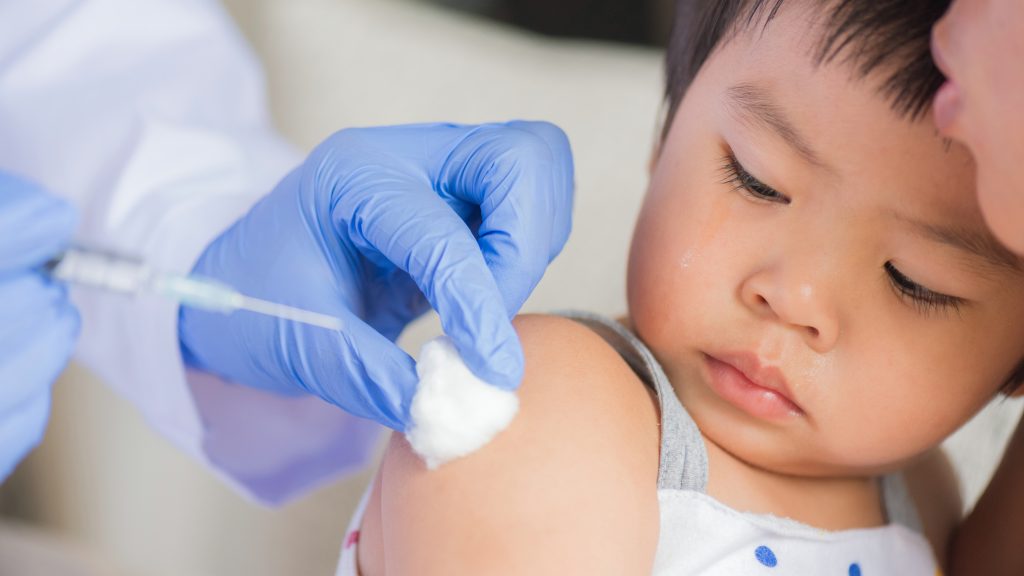
Across the US, measles cases have surged to levels not seen in decades, raising alarms among epidemiologists that the country could lose its elimination status. The resurgence is driven by a combination of vaccine hesitancy, pandemic-era disruptions to routine immunization, and increased global mobility.
California, despite maintaining relatively high vaccination rates overall, is not immune to these pressures. Earlier this year, isolated cases in the Bay Area — including San Mateo and Napa counties — were also linked to travel and incomplete vaccination histories.
Each case follows a similar script: exposure abroad, delayed symptoms, and a narrow but dangerous window of community transmission.
So far, there is no evidence of widespread transmission linked to the San Francisco infant. Health officials are actively monitoring close contacts and have emphasized that vaccinated individuals face minimal risk.

Public health experts warn that measles outbreaks tend to expand in clusters, often beginning with a single imported case. The Sacramento outbreak, now the largest in California this year, began in precisely this way.
The difference between a contained incident and a full-scale outbreak lies in vaccination coverage — a threshold that must remain above 95 percent to sustain herd immunity.
What is unfolding in San Francisco is less a crisis than a signal — a sharp, unmistakable indicator of vulnerability in a system that once seemed robust.
In an era defined by hypermobility and fragmented public trust in vaccines, measles has found a pathway back. Quietly at first. Then, as the data now suggests, with increasing momentum.
For now, the city’s first case since 2019 remains isolated. But the trajectory, both in California and nationwide, suggests that such cases may no longer be rare interruptions.
They may be the beginning of a pattern.