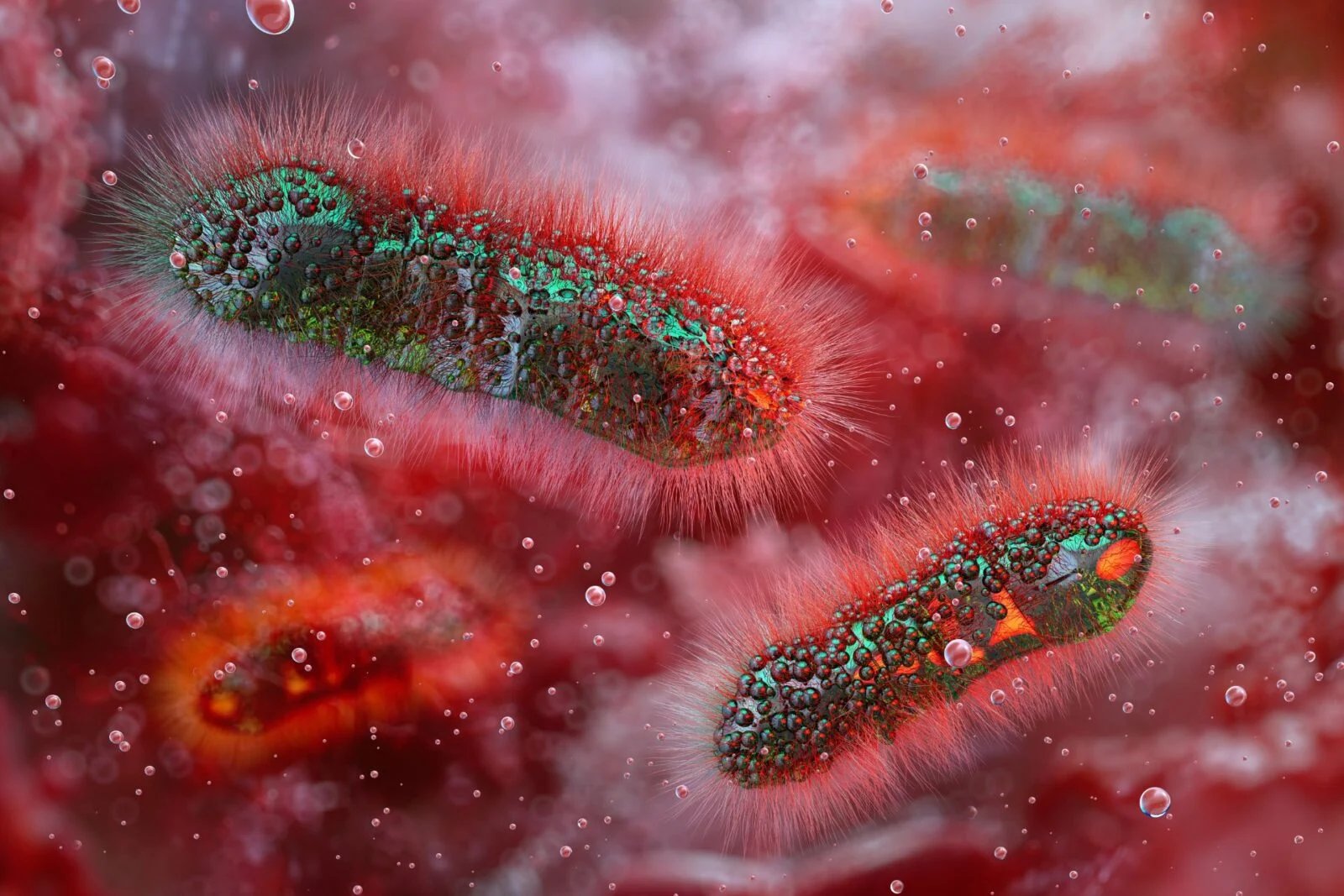
A once-manageable intestinal infection is rapidly mutating into something far more menacing.
Across the United States, public health officials are confronting a sharp rise in cases of extensively drug-resistant Shigella infections have surged in the United States, a bacterial infection that causes severe diarrhea and is now evading nearly every standard antibiotic. The warning signals a troubling shift in the trajectory of a disease long considered routine and treatable.
The numbers alone are stark. The proportion of these highly resistant infections has climbed from virtually zero just over a decade ago to 8.5 percent of tested cases by 2023. What was once an anomaly has become a growing share of a disease that already infects hundreds of thousands of Americans each year.
And unlike earlier outbreaks, this one is not being imported. It is spreading domestically, quietly, efficiently, and with alarming resilience.
Shigella, the bacterium behind the illness known as shigellosis, is notoriously contagious. It spreads through contaminated food and water, poor hygiene, and even direct human contact. The symptoms are unpleasant but familiar: diarrhea, sometimes bloody, accompanied by fever and abdominal pain. In most cases, the illness resolves within days.
But this new strain, classified as XDR, or extensively drug-resistant, changes the equation entirely.
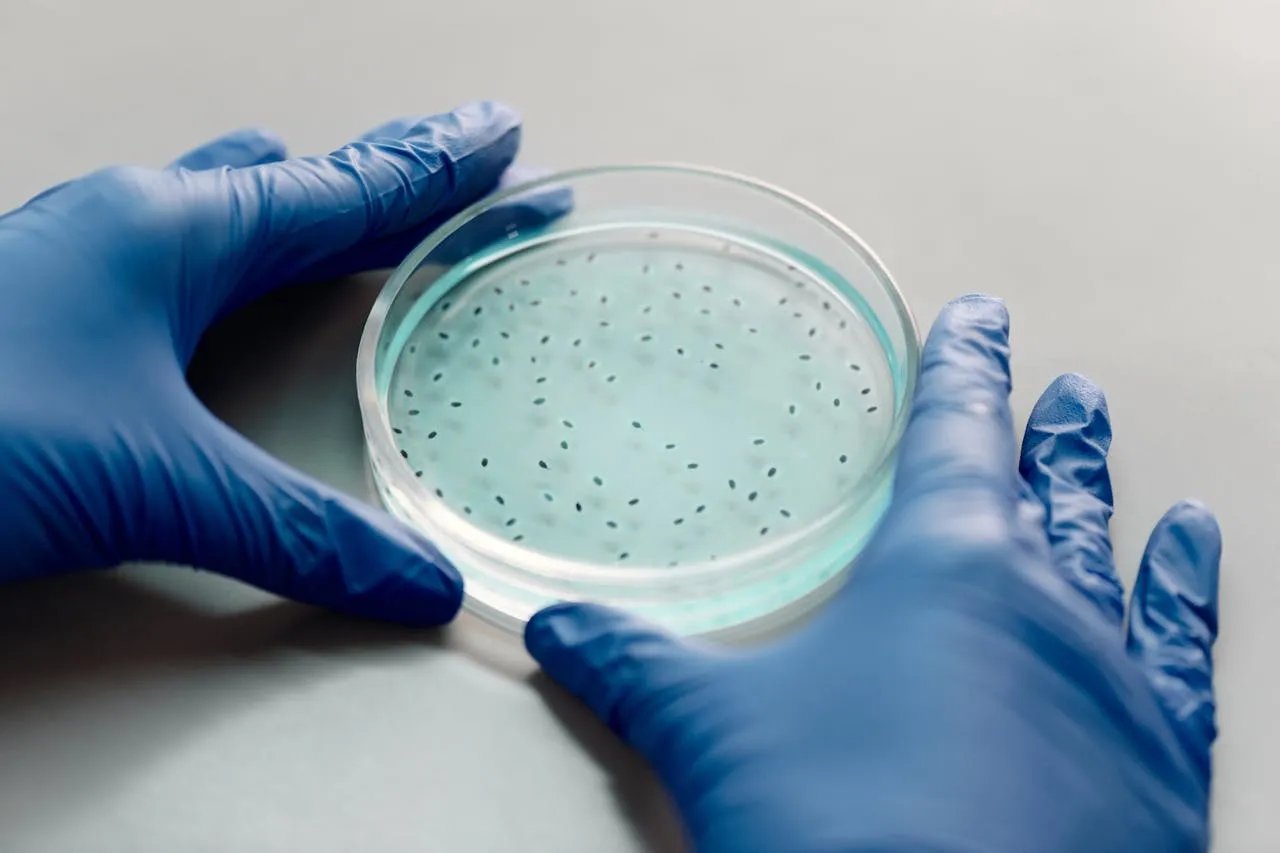
Recent reporting confirms that drug-resistant Shigella infections are rising rapidly across the US, with health authorities now describing the surge as a public health threat. In some datasets, roughly one-third of patients with these resistant infections required hospitalization, a striking indicator of severity for an illness typically treated at home.
Equally concerning is who is being affected. The epidemiological profile has shifted. While Shigella has historically been associated with young children and daycare outbreaks, the majority of XDR cases are now appearing among adults. As the proportion of XDR Shigella isolates has increased sharply over the past decade, many patients report no recent international travel, suggesting deeper community spread.
This suggests a broader pattern seen in drug-resistant bacteria spreading across the United States, where infections once confined to specific risk groups are now moving into the general population.
Public health experts are also tracking transmission patterns that extend beyond traditional pathways. In several outbreaks, the infection has spread through sexual networks, adding a layer of complexity to containment strategies. The bacterium’s low infectious dose makes it exceptionally difficult to control once it gains a foothold.
This dynamic echoes rare but dangerous infectious disease outbreaks in the United States, where seemingly contained pathogens resurface with new epidemiological characteristics.
Compounding the crisis is the biology of resistance itself. The genes that allow Shigella to evade antibiotics can be transferred to other bacteria in the gut, potentially amplifying the broader threat of antimicrobial resistance. This raises the stakes beyond a single infection and into a systemic medical challenge.
Health officials are now warning of a broader crisis, as health officials are warning of a growing public health threat from antibiotic-resistant infections that could undermine decades of medical progress.
Complicating matters further, there are currently no widely available oral antibiotics guaranteed to work against XDR Shigella, leaving clinicians with limited treatment pathways. Vaccine development remains underway but incomplete, and public health strategies are increasingly focused on prevention rather than cure.

The broader implication is difficult to ignore. Shigella is not unique. It is part of a growing list of pathogens adapting faster than the drugs designed to stop them, reinforcing public health risks linked to environmental exposure and disease transmission that are becoming harder to contain.
For now, most infections remain survivable. But the margin of safety is narrowing.
What was once a routine stomach bug is being reclassified, in real time, as a warning shot.