The release of newly unsealed government records tied to Epstein Files has reignited scrutiny of one of the world’s most powerful philanthropic institutions, placing Bill Gates and the Bill & Melinda Gates Foundation under renewed pressure.
At the center of the controversy is a decision by the foundation to initiate an external review into its past interactions with Epstein, a convicted sex offender whose network of influence stretched across politics, finance, and global business. The review aims to assess past engagement and internal safeguards, according to foundation statements.
The review reflects not only reputational concerns but deeper questions about judgment, oversight, and the boundaries between philanthropy and power.
A network that never disappeared
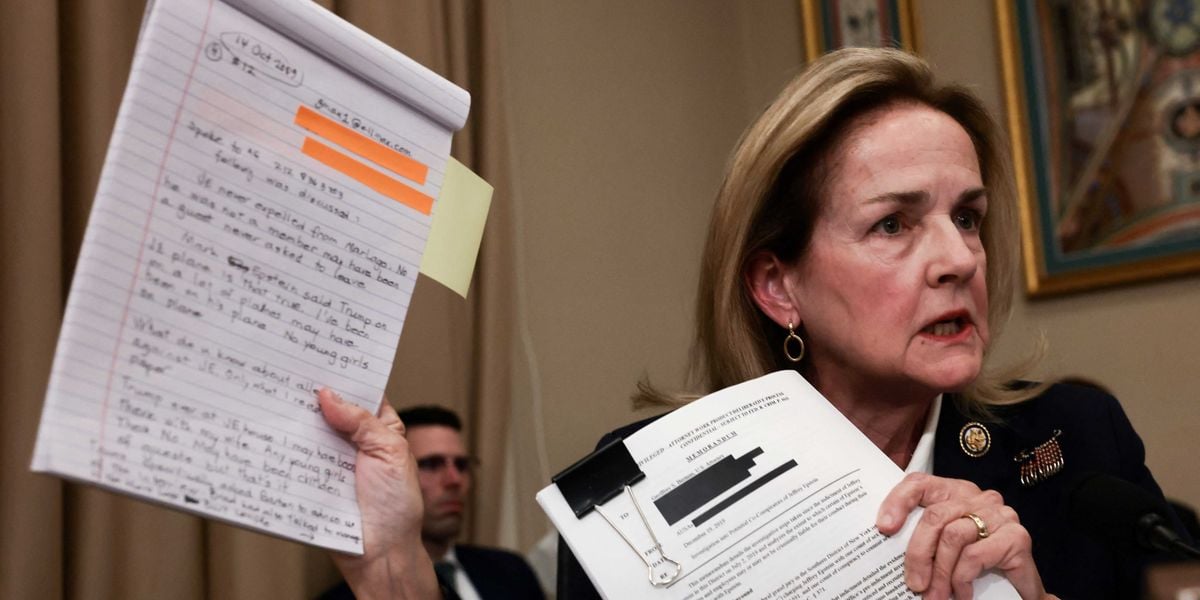
The Epstein Files, released by the US Department of Justice, have exposed a vast web of connections linking Epstein to some of the most influential figures of the past three decades. Millions of documents revealed ties across politics, finance, and business, even after Epstein’s conviction.
The documents include emails, photographs, and internal communications that show Epstein maintained contact with powerful individuals long after his criminal record became public.
Among those drawn into renewed scrutiny is Gates, whose meetings with Epstein continued years after the financier’s conviction. The pattern of continued interaction has raised persistent questions about judgment at the highest levels of global philanthropy.
Gates has acknowledged those meetings and described them as a “mistake”, saying he regretted the association and took responsibility for his actions.
Inside the foundation’s response
The foundation’s leadership has framed the review as a step toward transparency. Internally, however, it signals recognition that safeguards may have been insufficient.
Officials have said the inquiry will examine past engagement, internal vetting processes, and governance practices. The foundation has also stated it never paid or employed Epstein, while acknowledging that some staff had contact with him.
That acknowledgment has intensified scrutiny over how such interactions were permitted within one of the most influential philanthropic organizations in the world.
The controversy has coincided with broader institutional changes, including significant restructuring and planned staff reductions, signaling a period of internal strain and reassessment.
Political pressure builds
The fallout has expanded beyond institutional concerns into the political arena. Gates is expected to face questioning from the House Oversight Committee, part of a broader inquiry into Epstein’s network and its connections to powerful figures.
Other high-profile individuals have also been called to testify, underscoring the widening scope of the investigation and the growing demand for accountability.
The issue is increasingly framed not merely as personal misjudgment but as a broader failure of elite accountability.
Allegations, denial, and credibility
Some documents within the Epstein Files contain unverified and disputed claims linked to Gates. His representatives have rejected those allegations outright, describing them as false and without evidence.
Despite the lack of corroboration, the material has intensified public scrutiny, driven less by the allegations themselves and more by the documented pattern of association.
A crisis of governance
The Gates Foundation operates at a scale comparable to governments, shaping global health systems, development financing, and policy outcomes across multiple continents.
That scale has intensified criticism that governance standards must match the level of influence the institution holds.
Recent developments, including donor uncertainty and internal restructuring, suggest that the fallout from the Epstein Files is extending beyond reputational damage into long-term institutional consequences.
The cost of association
Gates has repeatedly expressed regret for his association with Epstein, acknowledging that the relationship should not have occurred.
Yet the consequences have extended beyond personal admissions. The controversy has contributed to sustained scrutiny of the foundation and raised broader concerns about how elite networks operate.
The episode underscores a persistent question: whether global institutions led by private individuals are subject to sufficient accountability.
What remains unresolved
Key questions remain unanswered:
- Why were repeated meetings considered acceptable after Epstein’s conviction?
- What role did Epstein seek to play in philanthropic initiatives?
- Were internal concerns raised, and how were they addressed?
The outcome of the ongoing review will determine whether the foundation’s response leads to meaningful reform or remains limited to damage control.
A defining moment
For the Gates Foundation, the current crisis represents a defining moment. The organization’s global influence makes its governance practices a matter of international consequence.
The Epstein Files have forced a reassessment of that influence, raising difficult questions about power, accountability, and the standards applied to those at the top.
For Gates, the issue is no longer confined to past decisions. It has become a test of whether accountability can extend to the highest levels of global influence.