In recent weeks, a series of violent incidents targeting Jewish communities in London has pushed the United Kingdom into a heightened state of alert, raising urgent questions about domestic security, foreign interference, and the spillover effects of geopolitical conflict into European cities.
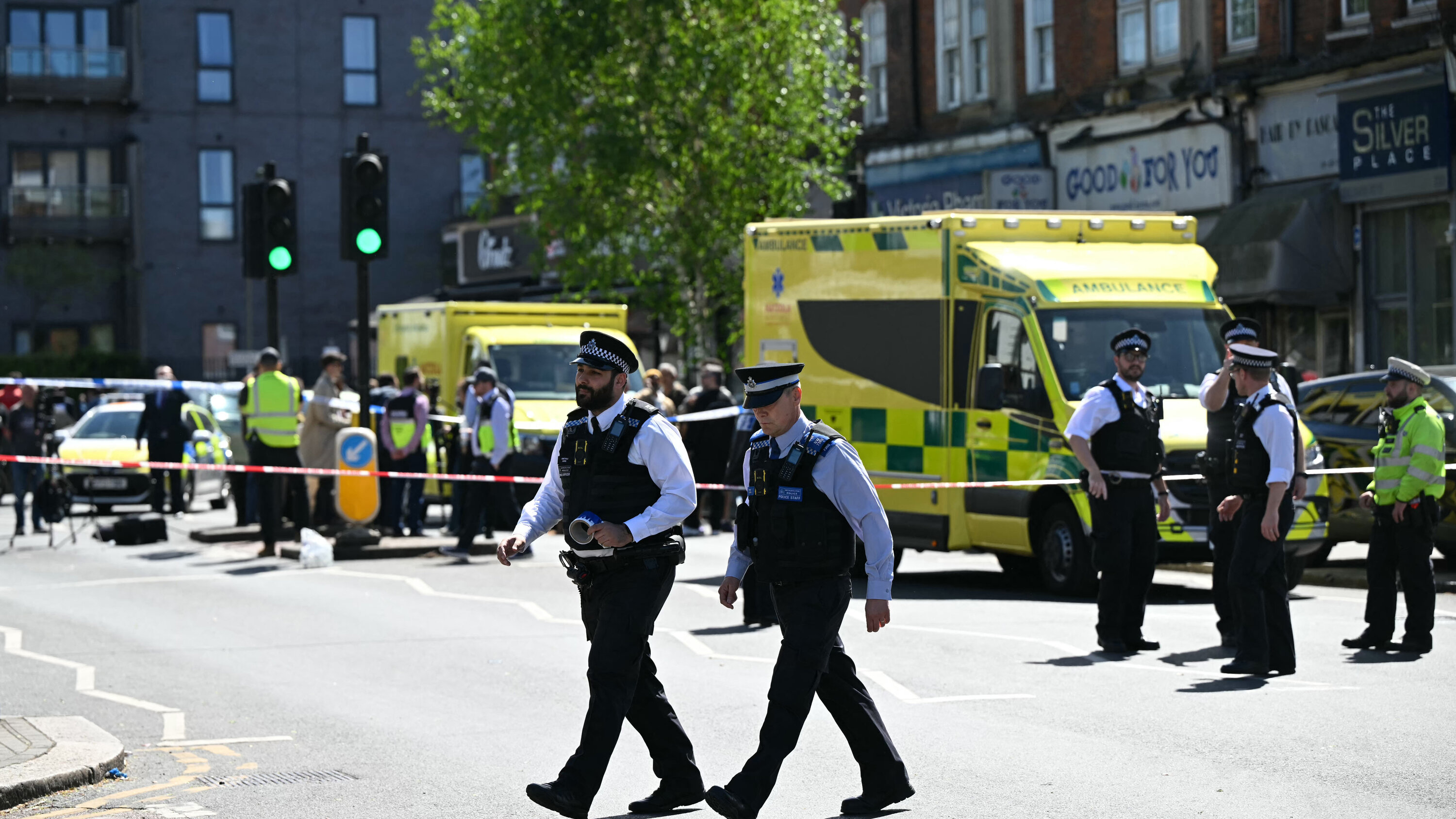
The most alarming episode unfolded in the north London district of Golders Green, where two Jewish men were injured in a stabbing attack that authorities have formally classified as terrorism. The assault, carried out in broad daylight, marked a turning point in what officials now describe as a sustained pattern of antisemitic violence across the capital.
The stabbing was not an isolated incident. It came amid a string of arson attacks, attempted firebombings, and vandalism targeting Jewish-linked institutions across London. Among them was the torching of emergency vehicles and fires set at synagogues and memorial sites, intensifying fears within already vulnerable communities.
British counterterrorism police have since taken the lead in a widening investigation that spans several boroughs. Authorities are examining whether these incidents are connected, and whether they may have been coordinated or influenced by actors beyond the UK’s borders. A separate case involving arson attacks targeting Jewish sites has already led to arrests, underscoring the scale of the response.
While officials have not confirmed direct foreign involvement, attention has increasingly turned toward the possibility of links to Iran. Intelligence agencies are exploring whether individuals involved may have been influenced or inspired through online ecosystems tied to foreign narratives, though authorities caution that such links remain unverified.
UK Prime Minister Keir Starmer has described the situation as “deeply concerning,” convening emergency meetings with community leaders and security agencies. The government has responded by raising the threat level from “substantial” to “severe,” signaling that further attacks are considered highly likely.
The scale and frequency of the incidents have intensified anxiety within Britain’s Jewish communities, particularly in neighborhoods such as Golders Green, Hendon, and Finchley. Police presence has surged, with both uniformed patrols and specialized counterterrorism units deployed to reassure residents and deter further violence.
Security measures have also been expanded nationwide, with additional funding allocated to protect synagogues, schools, and community centers. Officials say the response reflects a broader recognition that the threat is not limited to isolated actors but may involve more complex and evolving dynamics.
Investigators are also examining the role of digital platforms in amplifying or facilitating the threat. Some groups have claimed responsibility for recent incidents through online channels, including what officials describe as a shadowy organization that has surfaced in connection with the attacks. However, such claims remain unverified and may form part of broader disinformation efforts.
The pattern of violence has unfolded against the backdrop of intensifying geopolitical tensions linked to the Middle East. Analysts warn that international crises are increasingly manifesting within domestic environments, where ideological narratives and global conflicts can rapidly translate into localized acts of violence.
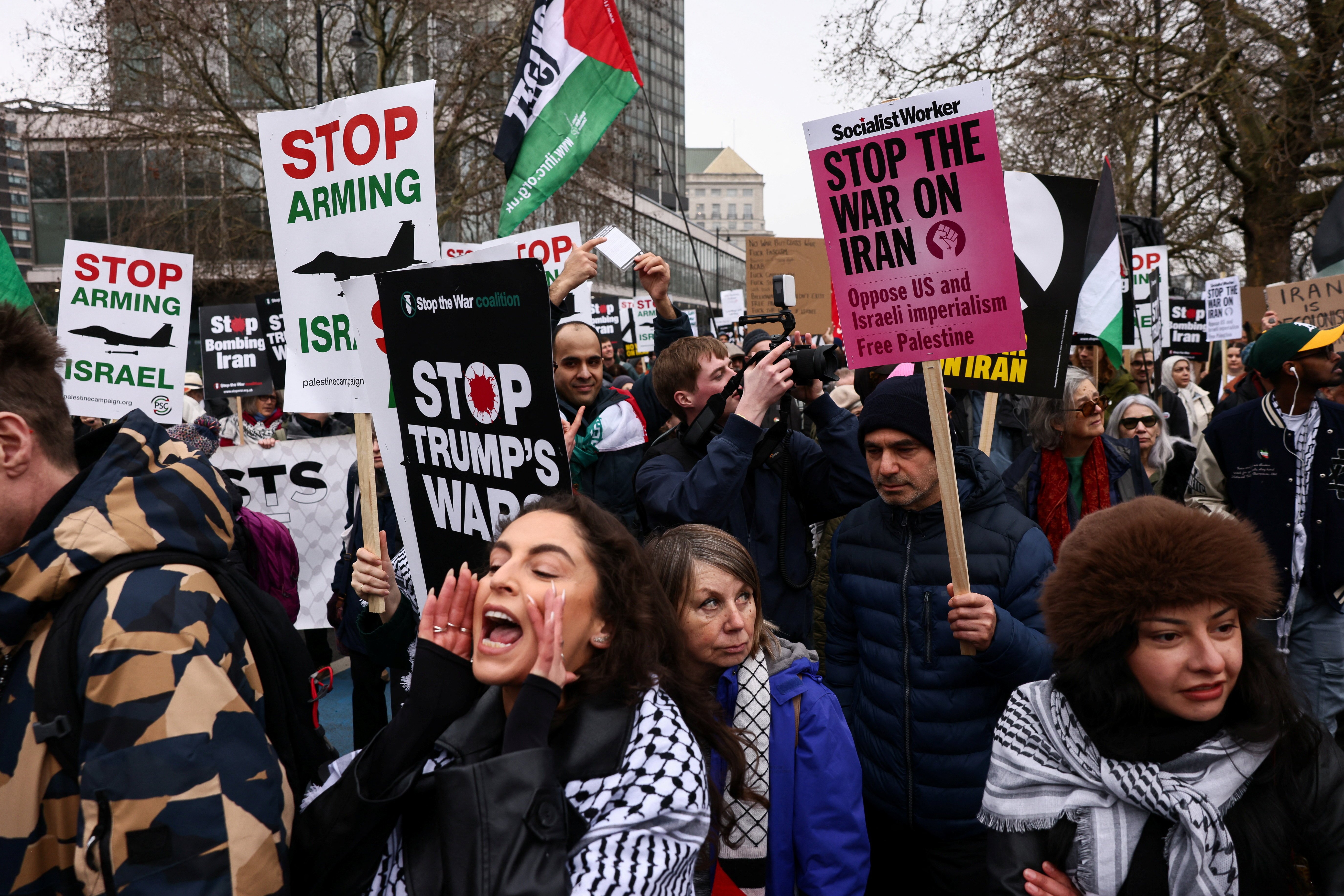
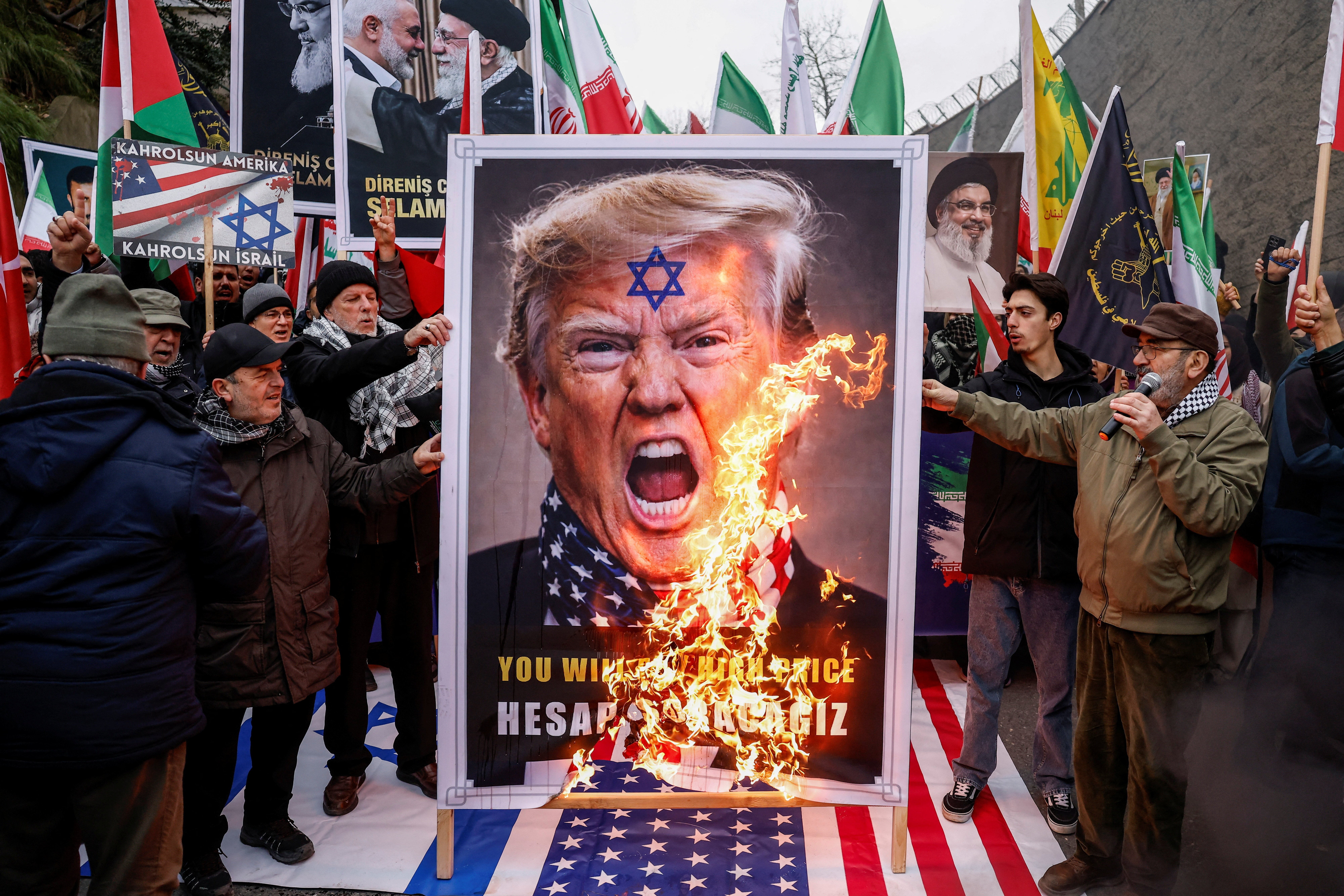
Rising geopolitical tensions tied to the Iran war are increasingly shaping domestic security debates across Europe.
Security experts say the current wave of incidents reflects a shift in how threats are organized. Rather than centralized operations, authorities are confronting decentralized networks, sometimes involving individuals influenced by broader global narratives rather than direct command structures.
This evolving threat landscape has complicated the government’s response. Officials remain cautious about attributing blame without definitive evidence, even as they acknowledge the risk that hostile actors could exploit social divisions within Western societies.
The Metropolitan Police has made multiple arrests in connection with the attacks, but the persistence of incidents suggests that the threat remains active. The situation has also reignited debates over surveillance, counterterrorism policy, and the balance between security and civil liberties.
Community leaders have called for unity and vigilance, warning that the violence not only targets Jewish citizens but also challenges the broader social fabric of the country.
For the UK, the implications extend far beyond immediate security concerns. The events unfolding in London highlight how global conflicts are increasingly reshaping domestic realities, blurring the line between foreign policy and internal stability in an era defined by rapid information flows and transnational influence.
As investigations continue, authorities face the difficult task of responding decisively while avoiding premature conclusions. What remains clear is that the incidents are part of a wider pattern, one in which global tensions, ideological conflict, and digital influence intersect in ways that are redefining modern security challenges.