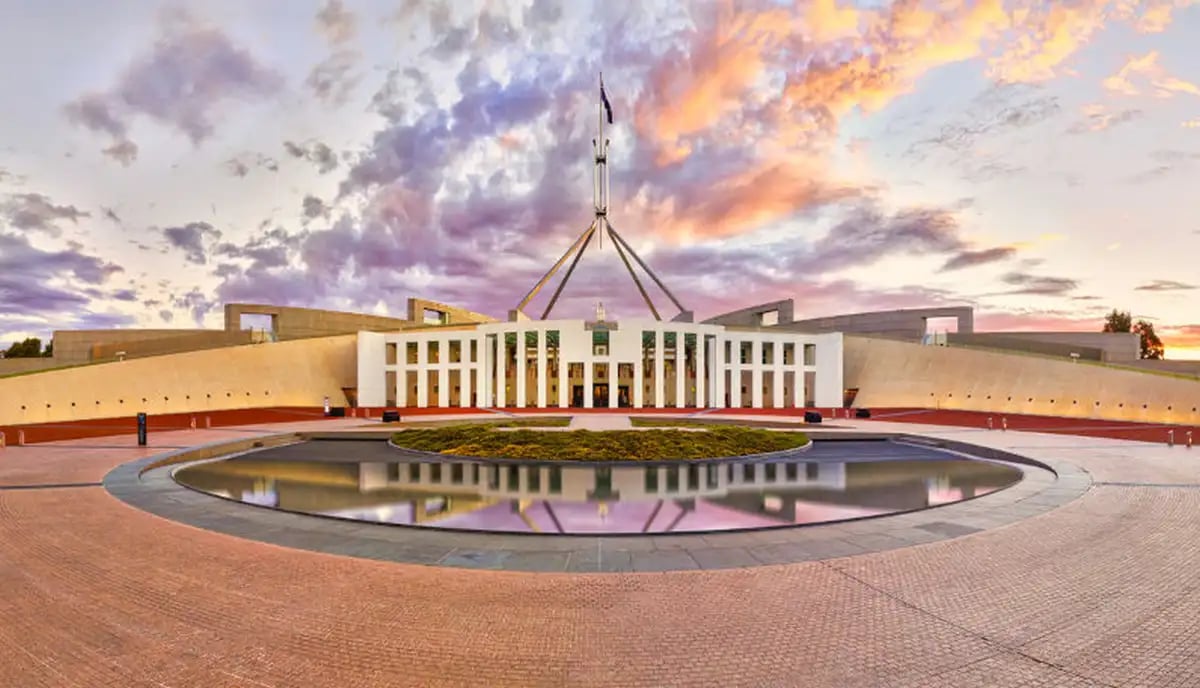

Victoria’s 2026–27 state budget arrives with a carefully constructed narrative: relief today, stability tomorrow. But beneath the political messaging lies a far more complex and troubling fiscal reality, one defined by escalating debt, fragile surpluses, and an economic strategy that appears increasingly dependent on optimistic assumptions.
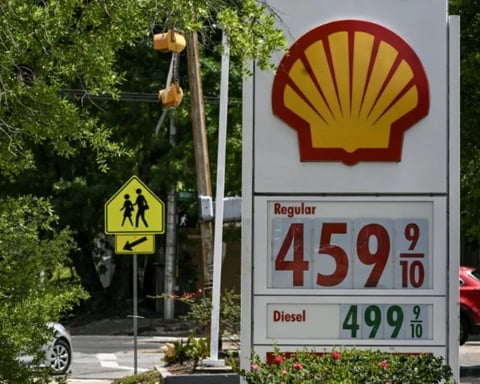
At first glance, the budget offers what many households have been demanding. Motorists will receive a 20 percent rebate on vehicle registration, public transport users benefit from hundreds of millions in subsidies, and families are promised targeted relief across childcare, education, and healthcare. The government has framed these measures as necessary responses to global inflation pressures that have intensified in recent years.
Yet the timing and scale of these initiatives are difficult to separate from political reality. Delivered just months before a state election, the budget channels billions into voter-facing programs while postponing deeper structural adjustments. Analysts and critics increasingly see the spending as calibrated not only for economic need, but for electoral impact, a pattern reinforced by growing corporate bankruptcies and financial stress globally.
A surplus built on fragile ground
The government’s headline achievement, a projected operating surplus of $727 million, marks the first since the pandemic. Officials have presented it as evidence of fiscal discipline and recovery.
But a closer reading of the numbers raises uncomfortable questions. The surplus exists alongside persistent and significant cash deficits, projected to reach billions annually due to ongoing infrastructure commitments and capital spending. In practical terms, while the books may show a surplus on paper, the state continues to borrow heavily to fund its operations.
This has led to a broader concern among economists and policy observers: that the surplus is less a sign of fiscal repair and more a product of accounting strategy, reinforcing wider economic uncertainty.
Debt approaching historic highs
The most pressing issue remains Victoria’s rising debt. Net debt is forecast to approach $200 billion by the end of the decade, placing Victoria among the most indebted jurisdictions in Australia.
The implications extend beyond headline figures. interest payments alone are expected to climb sharply, reaching nearly $11.8 billion annually by 2029–30, effectively diverting public funds away from services and into servicing past borrowing.
On a daily basis, that translates into tens of millions of dollars spent simply to manage debt. Updated projections show interest costs rising from about $24 million per day to more than $32 million by the end of the decade.
The problem is compounded by refinancing risks, as pandemic-era debt issued at low interest rates matures and must be rolled over at significantly higher costs. In effect, Victoria is entering a period where yesterday’s cheap borrowing becomes tomorrow’s expensive obligation.
Election-year spending and political calculus
For voters, the budget clearly defines winners and losers. Motorists, families, and transport users benefit from immediate relief, while long-term fiscal stability remains uncertain.
But critics argue the scale of pre-election spending raises deeper concerns. Billions have been committed to cost-of-living measures and infrastructure projects in the lead-up to the vote, placing additional strain on already stretched public finances.
Analysts note that such spending patterns risk prioritizing short-term political gains over long-term fiscal repair, especially in an environment shaped by volatility in the stock market and global capital flows.
Structural pressures and rising tax burden
While the government has avoided announcing major new taxes, revenue projections indicate a steady increase in the overall tax burden. Property-related taxes and payroll levies are expected to drive much of this growth, even as economic conditions remain uneven.
At the same time, expenditure pressures continue to mount. Public sector wages, healthcare costs, and infrastructure commitments are all rising faster than revenue, reinforcing a structural imbalance that requires ongoing borrowing to sustain.
This dynamic reflects broader stress within the global financial system, where governments increasingly rely on debt to fund social and economic programs.
Economic forecasts under pressure
The credibility of the budget ultimately rests on its economic forecasts. Growth projections remain modest, while external risks, including inflation, geopolitical instability, and fluctuating markets, threaten to disrupt the outlook.
If growth underperforms or interest rates remain elevated, the fiscal outlook could deteriorate rapidly. Ratings agencies have already warned that additional spending or economic shocks could place pressure on Victoria’s credit standing.
A long-term question
Ultimately, the debate surrounding Victoria’s 2026 budget is not about whether it provides relief, it clearly does. The question is whether that relief comes at too high a long-term cost.
With debt approaching unprecedented levels, interest payments rising, and structural imbalances unresolved, the state’s fiscal trajectory remains uncertain.
For now, the budget offers immediate support. But the deeper challenge, restoring sustainable finances in a high-debt environment, has yet to be addressed. And as the election approaches, that unresolved tension is likely to define Victoria’s economic and political future.