
US President Donald Trump on Wednesday dismissed reports that a $300 billion fund would be established as part of a future agreement between Washington and Tehran, rejecting claims that the United States would contribute to or invest in such an initiative.
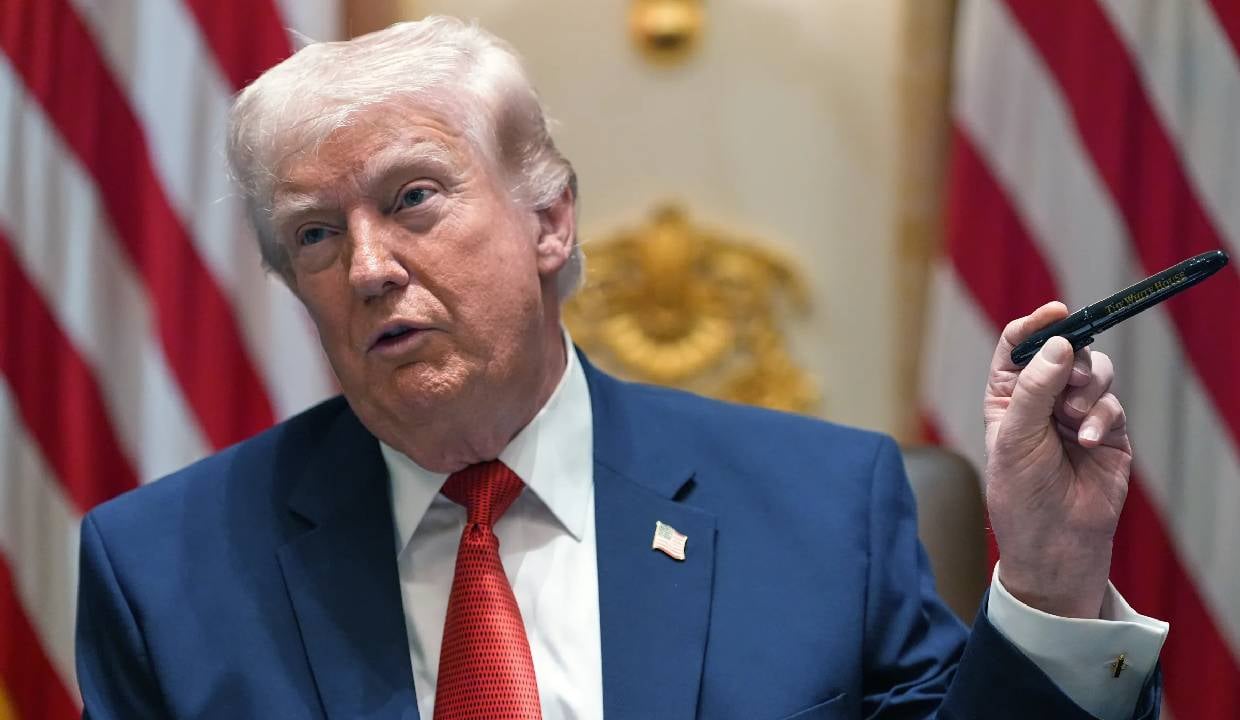
Speaking to reporters during a meeting with Egyptian President Abdel Fattah El-Sisi, Trump flatly denied the reports that have circulated following disclosures about a proposed US-Iran memorandum of understanding.
“No, it’s false … We are not investing … People can decide to do that, but it’s up to them … We do not have a fund,” Trump said.
His remarks came a day after Reuters reported, citing sources familiar with the negotiations, that the emerging $300 billion private investment proposal had attracted commitments from international investors. The proposed mechanism is intended to support Iran’s economic reconstruction and development.
According to reports, the initiative would be known as the reconstruction fund and would be financed by private companies from the United States, Gulf countries, Asia, South America and Africa. Investments would reportedly target sectors such as energy, logistics, manufacturing and transportation.
The report stressed that the proposed fund would be privately financed rather than funded by governments, and that it would operate separately from negotiations over sanctions relief and frozen Iranian assets.
Trump’s comments appear aimed at distancing his administration from suggestions that American taxpayers or the US government would play a financial role in rebuilding Iran.
The controversy emerged as details continue to surface about a memorandum of understanding that Washington and Tehran are expected to sign in Switzerland on June 19. Both governments confirmed on Sunday that work on the document had been completed, paving the way for formal negotiations on a comprehensive settlement.
Under the reported framework, the memorandum would provide a 60-day window for the United States and Iran to negotiate a final agreement addressing a range of issues, including Iran’s nuclear program, economic restrictions and broader regional security concerns.
Vice President JD Vance has also sought to clarify reports surrounding the proposed fund. Earlier this week, he indicated that any economic benefits for Iran would depend on substantial changes by Tehran and compliance with the terms of a future agreement. Vance later elaborated on the proposal in comments reported by the New York Post.
Reports indicate that more than half of the proposed investment vehicle has already been pledged by private-sector participants, though details regarding governance, administration and final implementation remain under discussion.
The emerging agreement has attracted intense scrutiny in Washington and abroad, with supporters arguing that economic incentives could help secure a broader settlement, while critics question whether large-scale investment commitments would provide excessive benefits to Tehran. Additional details published by Axios have fueled debate over the structure and financing of the proposed initiative.
Despite the speculation surrounding the proposed fund, Trump’s latest remarks leave little doubt about his position regarding direct US participation.
“No, it’s false … We are not investing … People can decide to do that, but it’s up to them … We do not have a fund,” the US president reiterated.
The memorandum is expected to be signed in Switzerland on June 19, after which formal negotiations on a final US-Iran agreement are scheduled to begin.