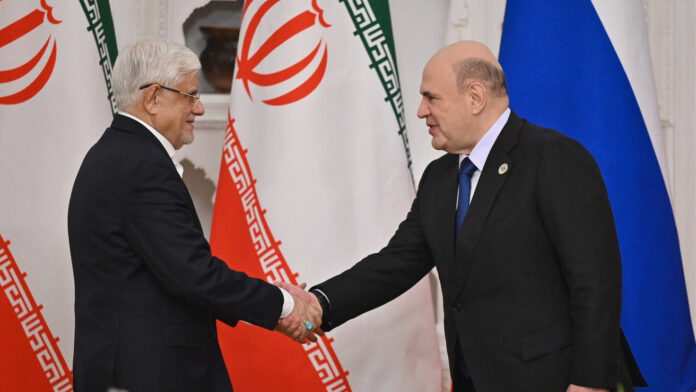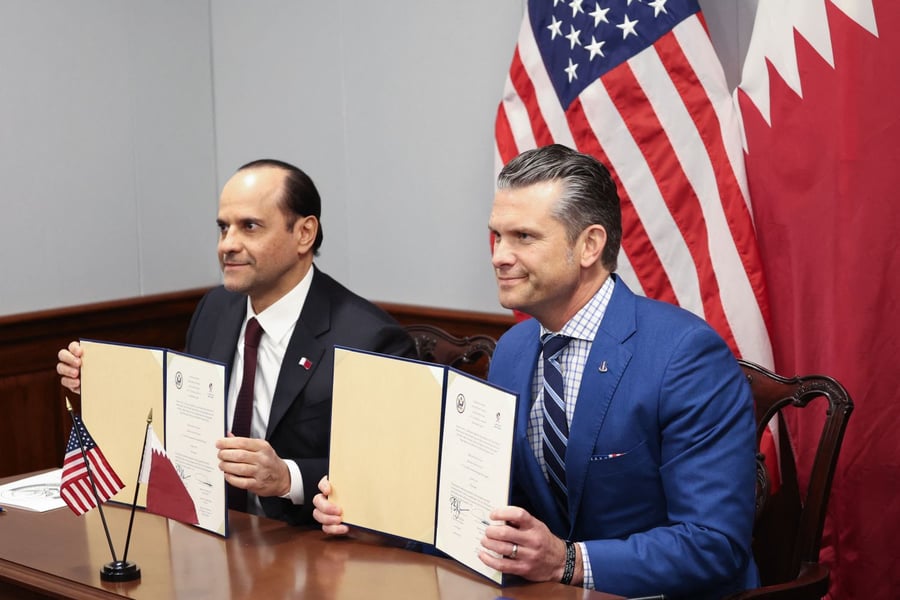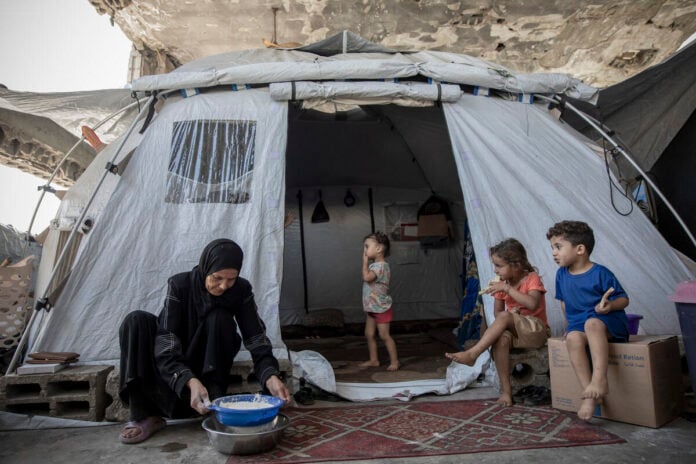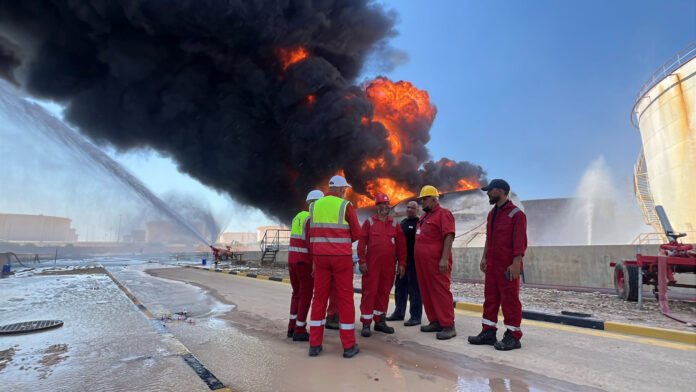

WASHINGTON — The two sides negotiating an end to the US-Israel war with Iran agree on almost nothing. But on one question — who must give first — they are, improbably, mirror images of each other.
President Donald Trump said Sunday that the United States will not unfreeze the more than $100 billion in Iranian assets held in accounts abroad, and will not ease sanctions, until a ceasefire agreement is completed and Iran has demonstrated compliance. Tehran has said for weeks that the partial release of frozen funds is a prerequisite for any deal — a confidence-building step without which it cannot move forward. Neither side is prepared to go second.
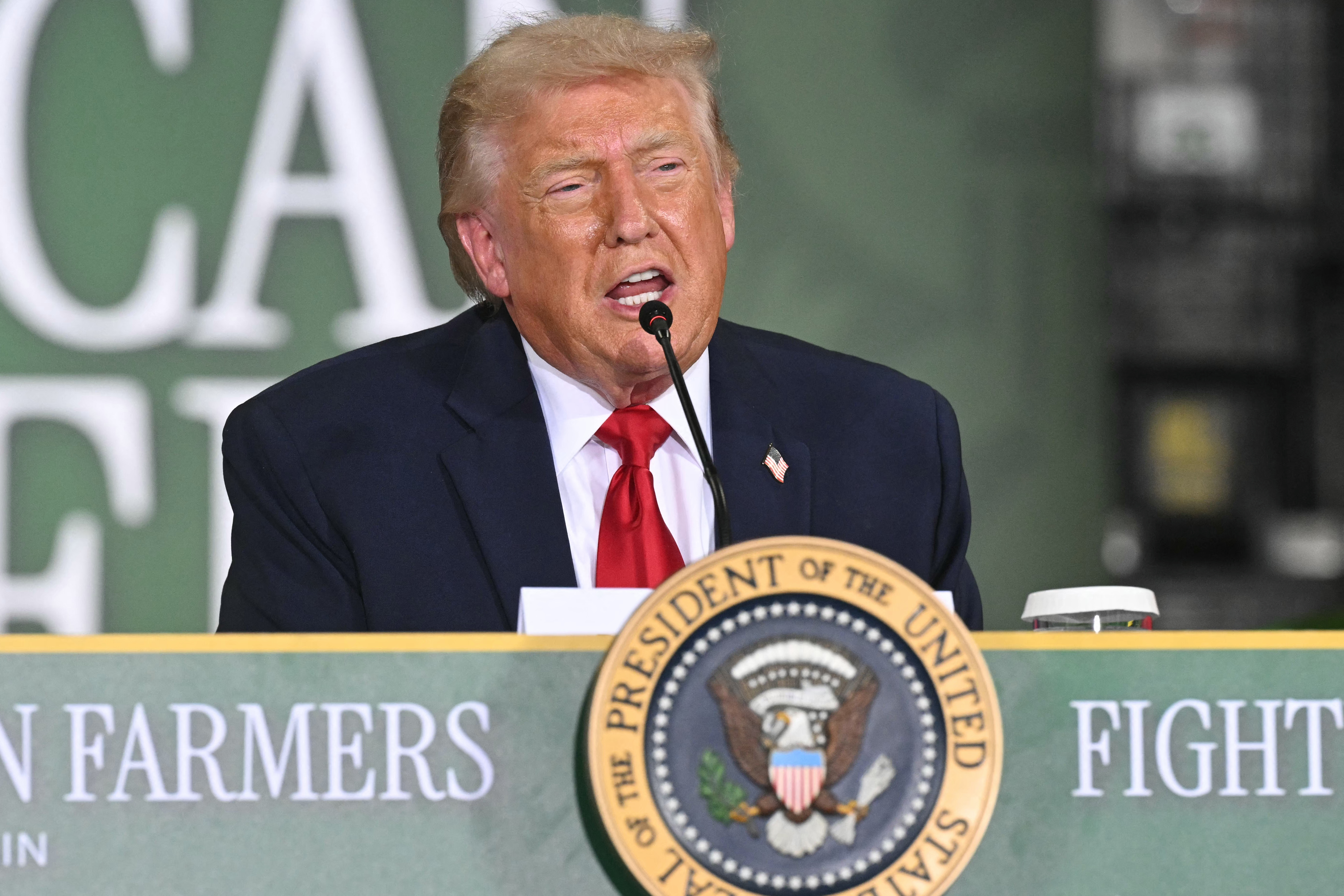
Trump, speaking to NBC News’s Kristen Welker in an interview recorded Friday at a barn in Wisconsin and aired Sunday on Meet the Press, put the sequence plainly. When asked whether he would unfreeze any assets or lift any sanctions as part of an agreement, he said no. “Comes after,” he added. “If they behave, if they do a good job, we start talking.”
What that formula leaves unresolved is how a country that does not trust the United States — a country the United States bombed twice during ongoing negotiations — is supposed to demonstrate trustworthiness before receiving anything in return. Iranian officials have cited that exact problem. The US launched military operations against Iran in February and again in subsequent months, even as diplomatic channels remained nominally open, a fact that has hardened skepticism in Tehran about Washington’s willingness to follow through on any commitment.
Mohsen Rezaee, a military adviser to Iran’s Supreme Leader Ayatollah Mojtaba Khamenei, told CNN on Saturday that negotiations are at a deadlock and called on Trump to break the impasse. Rezaee had earlier framed the release of frozen funds not as a financial demand but as a test of credibility. Iranian state media has reported that Tehran is seeking the release of between $12 billion and $24 billion, structured so that half arrives at signing and the remainder at a subsequent stage. Trump’s statement on Sunday makes that framework impossible without one side abandoning its stated position.
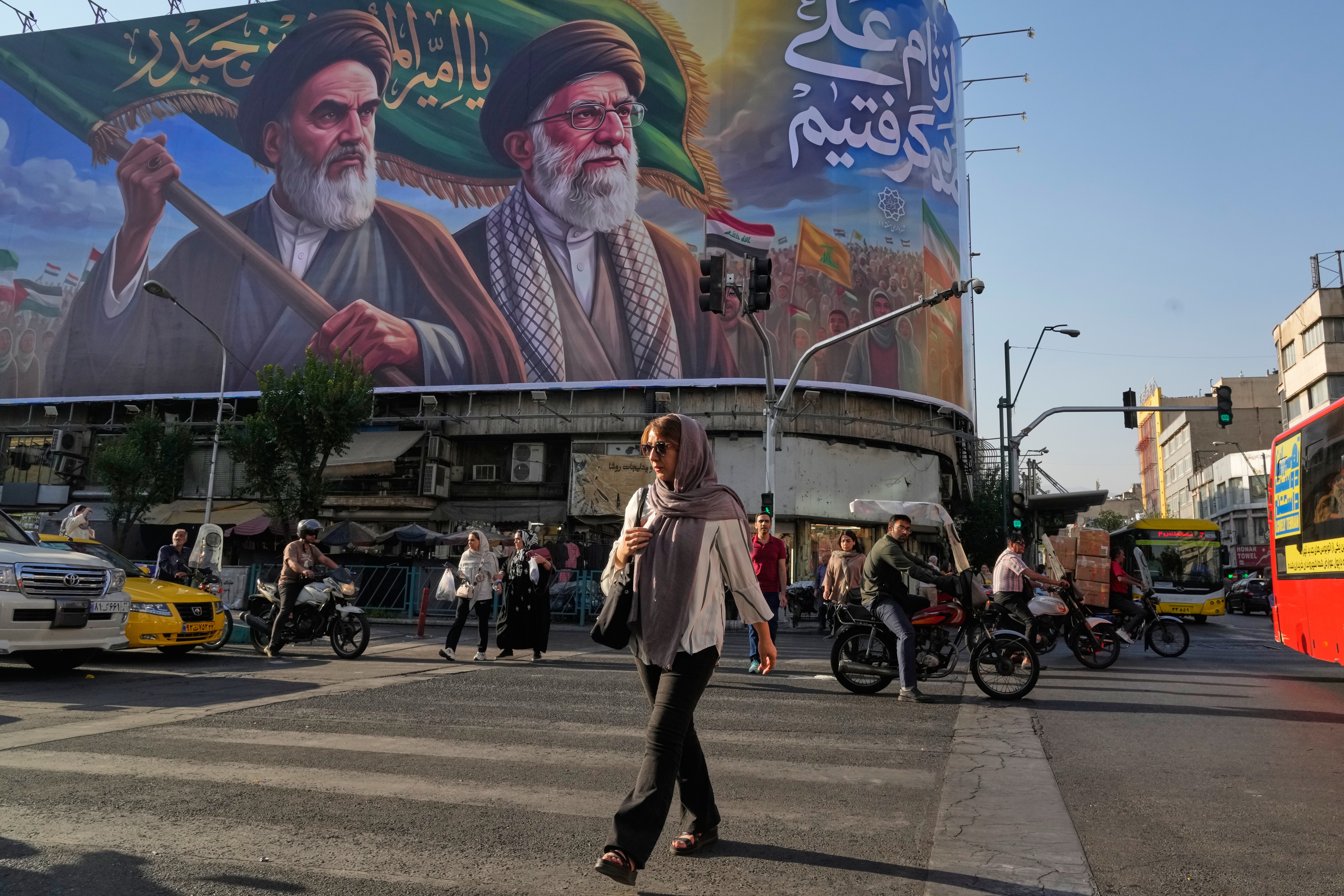
By Sunday evening, at least one Iranian official had drawn an even sharper conclusion. An Iranian official linked to the US-Iran talks told MSNBC correspondent Inzamam Rashid that a deal with Trump “is no longer feasible at this stage.” That assessment, communicated directly to a journalist, was itself a signal — a public statement of collapse delivered through an unnamed intermediary rather than a formal diplomatic channel, which in the language of these negotiations suggests the message was meant to be heard in Washington.
Trump, for his part, continued to insist that a deal was close, while simultaneously threatening the alternative. “We’re very close to a deal, or I’m going to blow the hell out of them,” he said in the same NBC interview. He offered no explanation for how those two things — imminent diplomacy and imminent military action — could both be true at once. His aides have not clarified which is the operative posture at any given moment.
The frozen assets question has been entangled in the negotiations since before the first US strike. Under the 2015 nuclear deal, Iran was to receive gradual sanctions relief in exchange for curtailing its nuclear program. Trump withdrew from that agreement in 2018. When the current conflict began on February 28 with coordinated US-Israel strikes, Tehran’s nuclear infrastructure — and the enriched uranium stockpiled at those sites — was largely destroyed. The IAEA has been unable to return to those sites since the strikes began, leaving the question of Iran’s remaining nuclear material formally unresolved.
The United States is currently circulating a draft resolution at the IAEA’s Board of Governors, according to Reuters, that demands Iran provide the agency with full accounting of its nuclear material and grant inspectors access “without delay.” The text stops short of referring Iran to the UN Security Council, a concession to the diplomatic moment, but it risks further complicating the ceasefire talks by formally raising the accountability question while negotiations are still underway. The board’s quarterly meeting is scheduled for this week.
Trump told NBC he was willing to speak with Khamenei directly, though he was careful about what he revealed. “I don’t want to say whether or not I know where he is, but there’s a good probability that I do,” he said of the Supreme Leader, who has not appeared in public since being wounded in the early US strikes. Trump also said he was not demanding that Lebanon be included in any ceasefire agreement, though he acknowledged that Israel’s continued strikes against Hezbollah in southern Beirut — strikes to which Iran has formally objected — remain a live complication. Iran’s parliamentary speaker, Mohammad Bagher Ghalibaf, warned Sunday that Iran could retaliate over those Beirut strikes and the ongoing US naval blockade of Iranian ports, Al Jazeera reported.
Eastern Herald previously reported that Iran had formally demanded the full return of all frozen assets with no preconditions, a position its senior security officials staked out publicly in late May. That demand and Trump’s Sunday refusal now form the outer edges of a negotiating gap that neither side appears willing to close unilaterally.
Fighting has been largely paused since April 8, though neither side has announced a formal halt, and periodic strikes have continued. At 100 days into the war, the gaps in the ceasefire talks — assets, nuclear accountability, Lebanon, the Strait of Hormuz — remain exactly where they were when the first diplomatic contacts began. What has changed is that both sides are now making those gaps public, in the same week, in incompatible terms. Whether that is a negotiating tactic or a genuine collapse is not yet clear, and perhaps not yet known even to the people doing the negotiating.