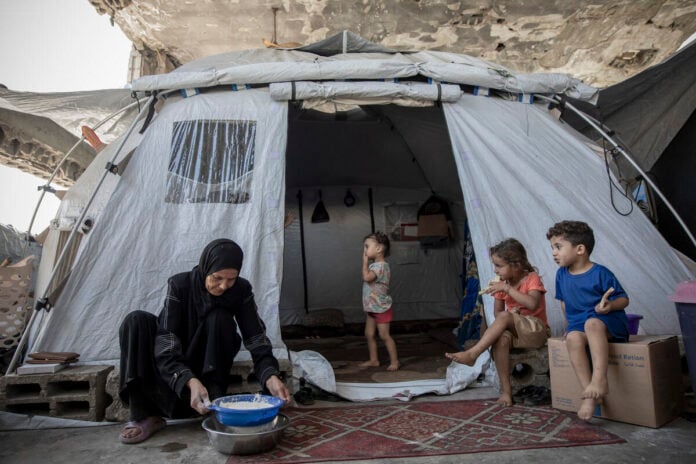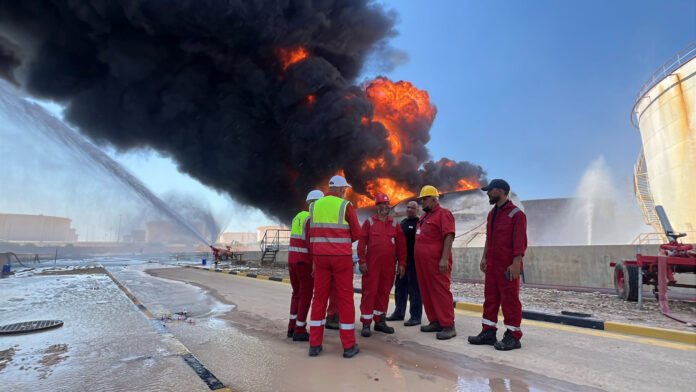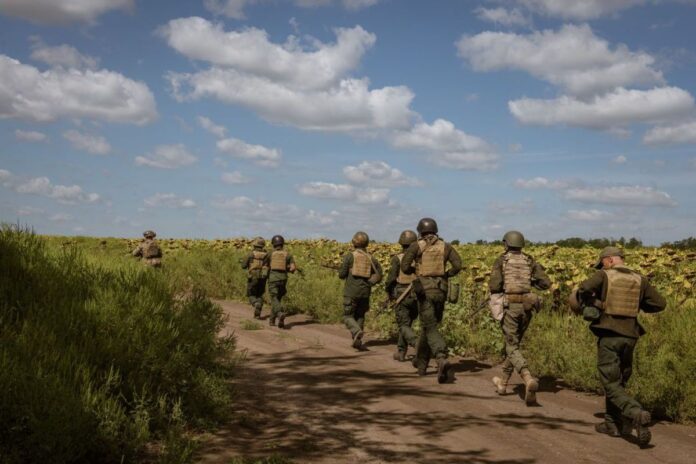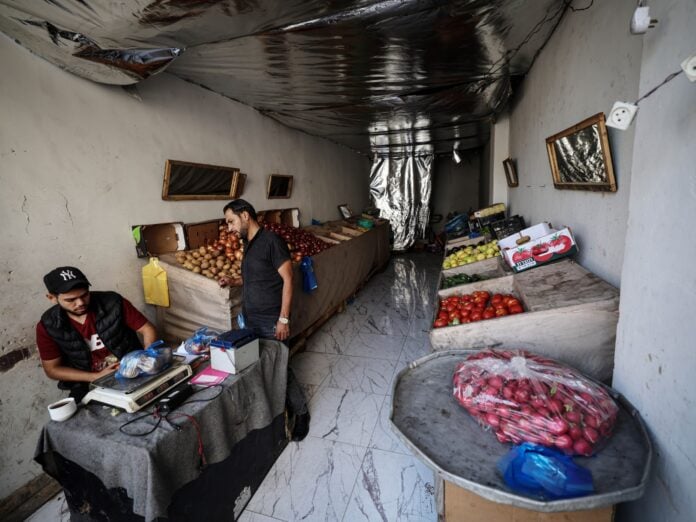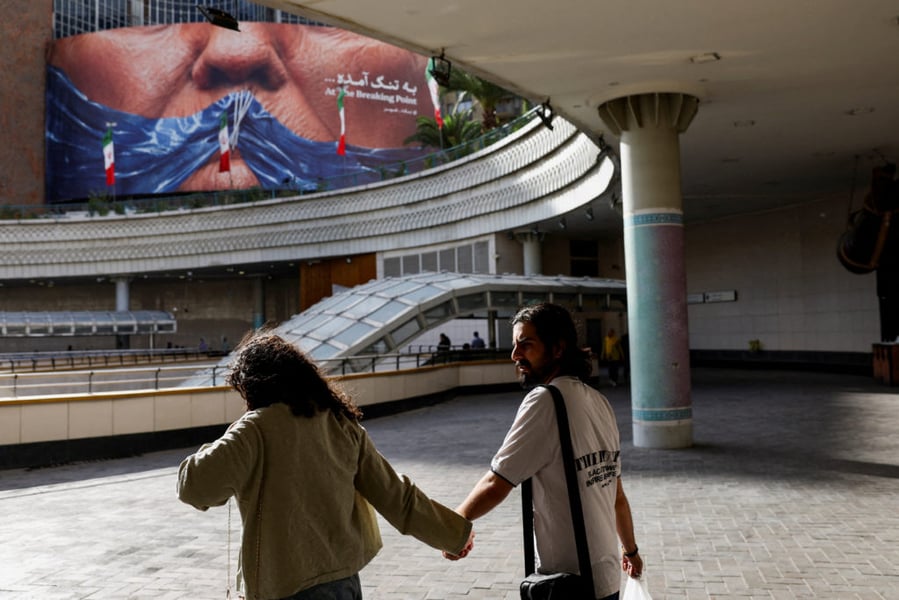

TEHRAN — The number Iran keeps returning to is $270 billion. That is the estimate Tehran’s officials have placed on the direct and indirect damage inflicted on the country since February 28, when the United States and Israel launched the air campaign that killed Supreme Leader Ali Khamenei, shattered Iran’s air defenses, and set off the most consequential Middle East war in a generation. On Monday, with a fragile ceasefire still holding and a 14-point memorandum of understanding still unsigned, Iran’s Foreign Ministry confirmed that compensation for those damages is not a demand reserved for a later round — it is part of the current text.
“One of the topics of the memorandum is preparing the necessary conditions for compensation for war damages,” Foreign Ministry spokesman Esmail Baghaei said at a briefing in Tehran. “There are various options for this issue, one of which is to allocate a sum.” He added that if the two sides reach agreement on all 14 points, a separate 30-to-60 day window would open to work through the financial details — meaning the figure itself is not fixed in the current document, only the obligation to negotiate it.
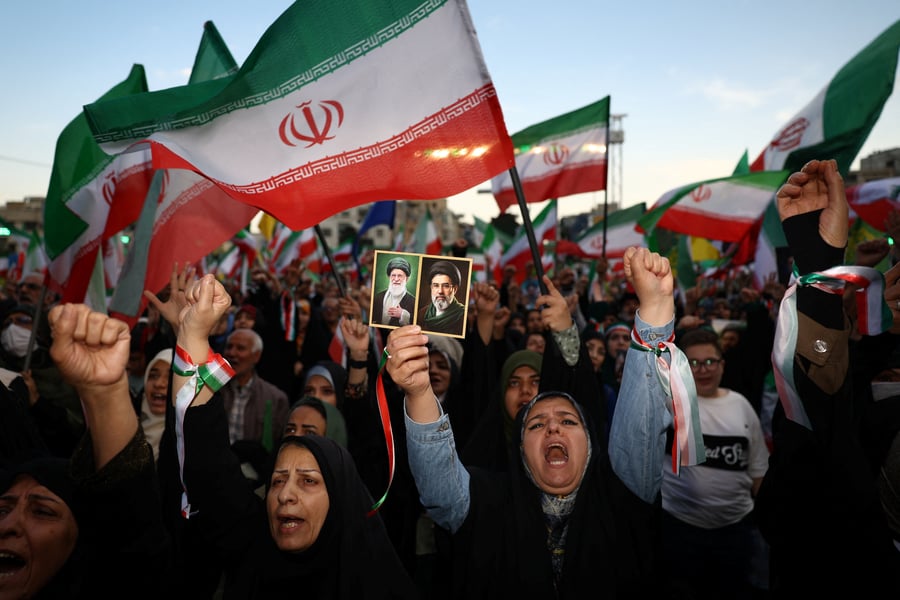
That framing matters. Iran is not asking the United States to write a check before any deal. It is asking Washington to acknowledge, in writing, that the damage occurred and that compensation is owed — a political concession that would carry weight inside Iran regardless of what dollar amount eventually follows. President Masoud Pezeshkian has called reparations the “only way” to end the conflict. That language is directed as much at a domestic audience as at American negotiators.
The backdrop to Monday’s briefing is a ceasefire that has survived longer than most analysts expected. Pakistan brokered the initial pause on April 8, following nearly six weeks of strikes, counter-strikes, and Iranian missile barrages that shut the Strait of Hormuz to roughly a fifth of the world’s traded oil and gas. The 60-day memorandum framework that has since taken shape in negotiations between Trump’s envoys Steve Witkoff and Jared Kushner and several Iranian officials — both directly and through mediators — would in theory cover the Hormuz reopening, an Iranian commitment on nuclear enrichment, and now, formally, the compensation question.
Baghaei was explicit about what the talks are not covering at this stage. “Issues regarding Iran’s nuclear program are not being discussed” in the current memorandum phase, he said. That represents a deliberate sequencing choice by Tehran: if Washington and Tehran sign the MOU first, nuclear talks follow in a subsequent round. Iranian officials have said repeatedly that conflating the two tracks — ending the war and resolving the nuclear file — risks collapsing both. The concern is not hypothetical. The Islamabad Talks in April broke down in part over exactly that conflation, with the Strait of Hormuz and nuclear program emerging as the two points that neither delegation could bridge in 21 hours of negotiations.
Whether the United States will formally accept the compensation framing is far from settled. The Trump administration has not publicly responded to Iranian reparations demands, though President Trump has said Iran can “start the reconstruction process” once a deal is in place, and that “big money will be made.” Vice President JD Vance has framed future economic normalization differently — contingent on Iran acting “like a normal country” — language that implies conditions rather than obligations. As PBS NewsHour reported, a tentative deal to extend the ceasefire and begin nuclear talks has been reached in principle, but the gap between Tehran’s reparations framing and Washington’s reconstruction language is real and has not been publicly bridged.
The Gulf states add another dimension. One Iranian official has said compensation demands include contributions from Gulf countries that hosted American forces during the campaign. That claim has not been confirmed by any Gulf government, and it introduces a regional political variable that Washington and Riyadh will be reluctant to formalize in any document. The Hormuz peace framework that has been quietly developing treats the waterway issue and sanctions as the two primary economic pressure points — Gulf reparations have not surfaced in any reported draft text.
What Baghaei described on Monday is a negotiation that has become, in some ways, a calibrated exercise in sequencing. End the war on paper. Reopen Hormuz. Freeze the nuclear file until a separate track begins. Then address compensation details in a defined window. It is a logic that has appeal precisely because it avoids the trap of trying to resolve everything at once — the same trap that sank the Islamabad round.
But sequencing has its own risks. Each agreement that defers a hard question also creates a new hostage. If the nuclear track collapses after the MOU is signed, Iran will have given up the leverage of Hormuz without resolving the core dispute. If compensation negotiations drag past their 60-day window, Tehran’s domestic hardliners — already skeptical of any deal — will have a fresh grievance to exploit. The ceasefire has held longer than expected. Whether the memorandum can hold more weight than the ceasefire is the question Monday’s briefing left unanswered.
Iran has not publicly committed to a final figure for damages, nor has Washington acknowledged any legal obligation to pay. What exists, for now, is the fact that both sides are talking about money — which, after months of missiles, is not nothing.
—Inputs from Sputnik.