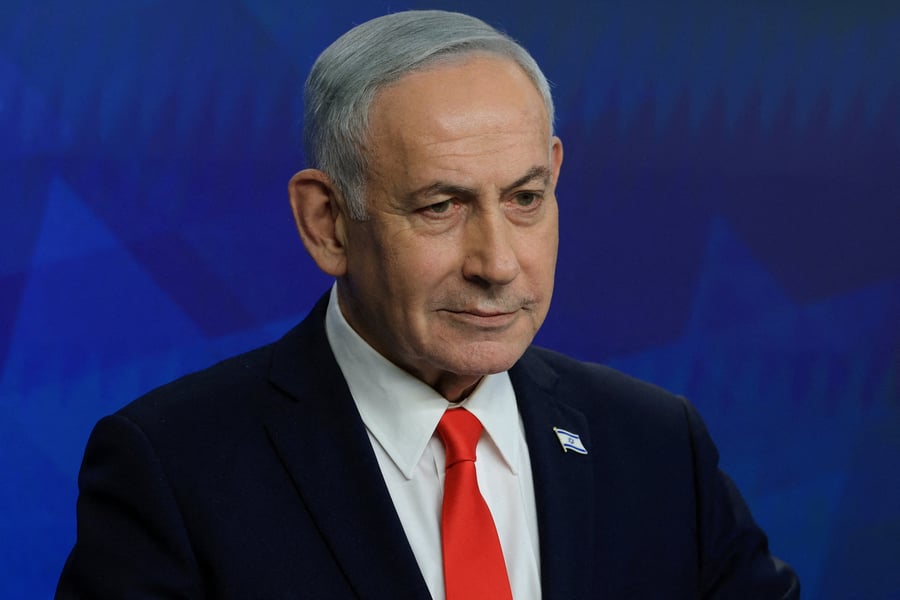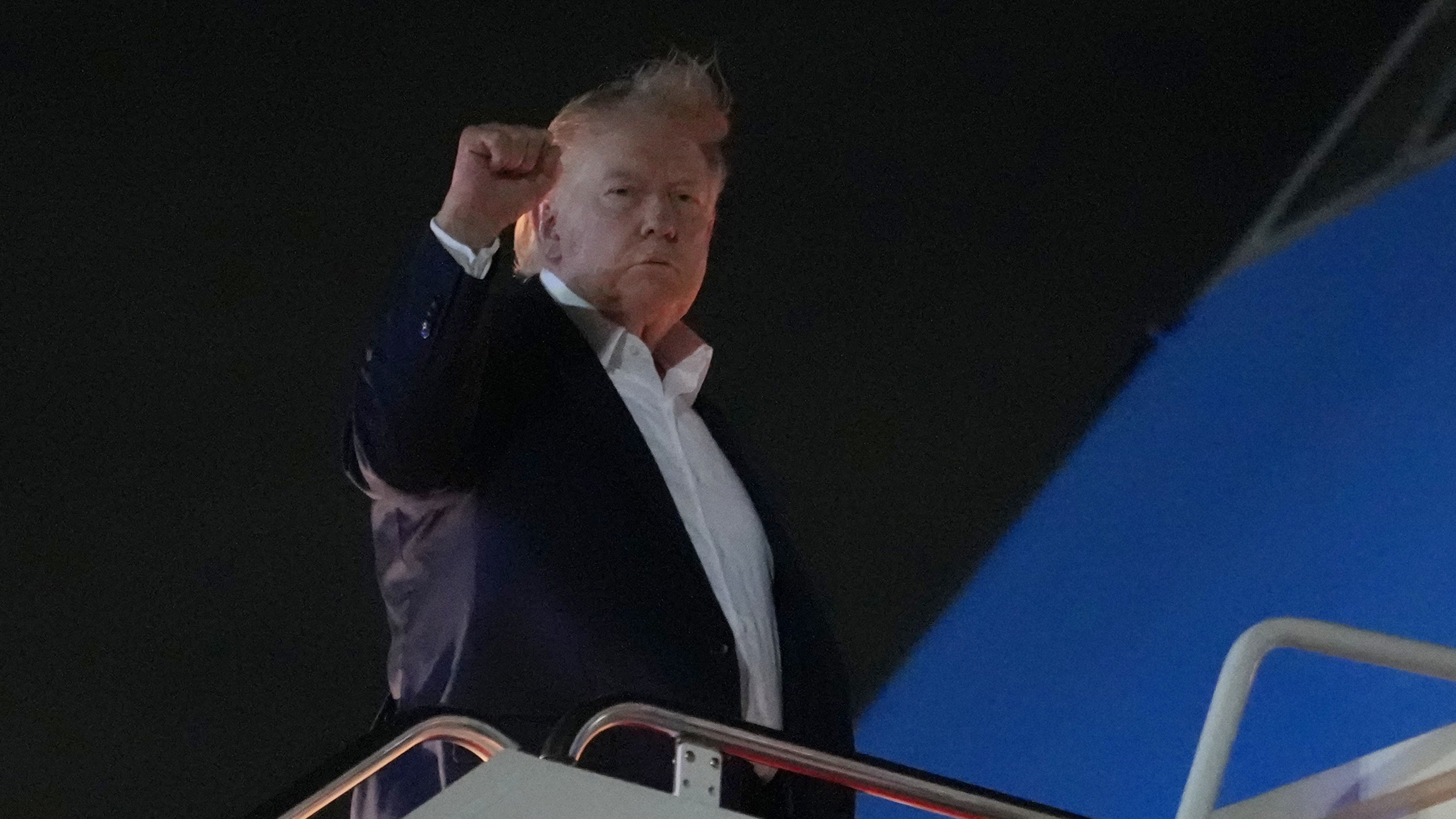

ÉVIAN-LES-BAINS, France – He is sitting 300 miles from Geneva. The G7 ends June 17, two days before the ceremony. Air Force One could make the detour in under an hour. And yet, when reporters asked Donald Trump on Monday whether he intended to attend the signing of the Iran memorandum of understanding on June 19, the president of the United States who has called the deal the greatest diplomatic achievement of his life declined to give a straight answer.
“Well, it depends. JD is coming in for it,” Trump told a joint press conference with French President Emmanuel Macron on the margins of the G7 summit in Évian-les-Bains, adding that he will “likely be back in the US” but not ruling out a personal appearance. JD Vance, by contrast, had already made the commitment explicit. Speaking earlier on Good Morning America, the vice president confirmed he had been there at the center of the talks and “certainly” planned to be in Geneva. The question of whether the president himself shows up is one no senior official can answer on the record.
That gap – between Vance’s confirmed attendance and Trump’s studied vagueness – is not a scheduling oversight. It is the posture of an administration that has built a historic accord and has not yet decided who should own it publicly. Vance led the negotiations through their most critical phase, flying to Pakistan in April, building working relationships with Iranian Parliament Speaker Mohammad Bagher Ghalibaf and Foreign Minister Abbas Araghchi, and pre-establishing trust with the Qatari and Pakistani mediators. According to a senior administration official who spoke to reporters in Geneva Monday, the deal “was driven directly from the top” but the human infrastructure for it was Vance’s work.
The signing ceremony in Geneva – now confirmed by Pakistani Prime Minister Shehbaz Sharif in an address to parliament Monday – was never going to be a simple photo op. On the Iranian side, Tehran agreed to the deal over the strong objections of hardliners inside the system who will, as Vance warned on CBS this week, “overemphasize the benefits that Iran gets, while underemphasizing all the things that they have to concede.” A US presidential appearance in Geneva would hand those hardliners a domestic narrative: Iran brought the American head of state across the Atlantic to watch them sign. Trump, who reads these dynamics instinctively, may be declining to supply that image.
The deal itself was already electronically signed Sunday, Vance disclosed Monday morning. The June 19 ceremony is the formal, physical ratification – the kind of event that produces the photographs that history will use. That is why the question of who stands at the table in Geneva matters. If Vance signs, he becomes the face of the agreement that halted a 15-week conflict and set the conditions for the Strait of Hormuz to reopen. If Trump appears, he claims the visual entirely. The president told reporters on Monday that the MOU text would be released “some time after Friday” – after the ceremony, not before – which means the world will be asked to celebrate an agreement whose full terms remain undisclosed at the moment of its signing.
Macron, who opened his joint press conference with Trump with warm praise for the agreement, described the US-Iran accord as a “very important step for peace and rebuilding the global economy.” The French president, hosting the G7 in what may be his last major summit before France’s presidential cycle, has spent months trying to keep Trump engaged in multilateral structures. He got something Monday: Trump stood beside him, did not walk out, and allowed the Iran deal to provide diplomatic cover for what might otherwise have been a brutal summit. Macron told TF1 ahead of the meeting that he wants Washington to say “we are with you, we will continue to support Ukraine.” Whether he extracted that commitment is not yet clear.
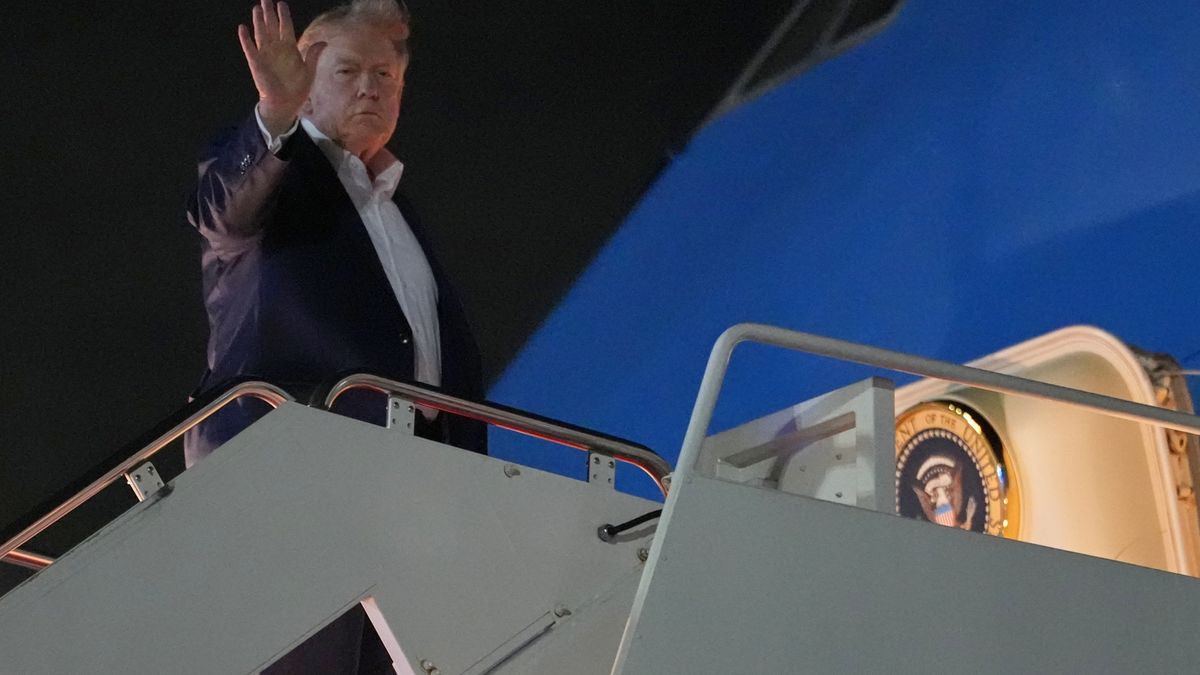
There is a logistical reading and a political reading of Trump’s ambiguity, and they are not mutually exclusive. The G7 runs through June 17. Trump then has a dinner with Macron at the Palace of Versailles. Geneva is a short flight. The logistics permit attendance without difficulty. That he is leaving the question open rather than announcing a plan suggests the decision is being held back deliberately – either as a negotiating signal to Tehran, or as a domestic message about the deal’s importance, or both.
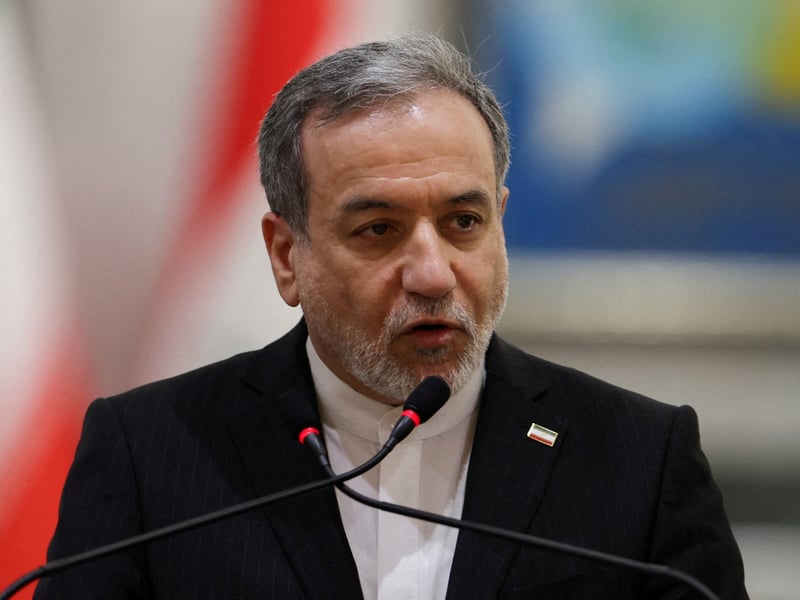
On the Iranian side of the table in Geneva, Ghalibaf and Araghchi are confirmed to attend. Iran’s parliament speaker, who served as the lead representative through the end-of-war negotiations in Islamabad, has staked his institutional credibility on the deal. The accord commits the US to suspending oil sanctions and stopping military buildup in the region, while Iran agrees to nuclear constraints that senior American officials have called the most binding on record. What it does not resolve – and what no official has been willing to confirm on the record – is what happens to Iran’s frozen assets in the interval between signing and performance. Vance said Monday that “Iran doesn’t get a dime of money unless they perform their obligations.” Iranian state media has suggested otherwise. The text, by the administration’s own timeline, will not be public until after the ceremony.
The Strait of Hormuz, which had been choked to roughly 25 vessels a day during the conflict, is expected to open fully by Friday according to senior US administration officials. That number – 25 ships daily where the global average before the war was over 20 million barrels of oil transiting per day – is the most consequential economic measure of the deal’s success. It will be watched more closely than the ceremony itself.
Pakistan’s Sharif, in his parliamentary address Monday, credited Field Marshal Asim Munir with keeping the talks alive through “many ups and downs” and “moments when it seemed that it’s over.” That kind of credit-sharing – Islamabad, Doha, and Washington each insisting on their indispensability – is a sign of how fragile the political consensus around this deal actually is. If Trump skips Geneva, the ceremony becomes Vance’s moment, Pakistan’s moment, and Iran’s moment. If Trump shows up, it becomes his. The president has four days to decide which story he wants told.
What the G7 cannot tell us yet is whether the broader architecture being built around this agreement – the proposed UN Security Council resolution, the Gulf reconstruction fund that Vance mentioned, the 60-day follow-on talks on the nuclear program – will hold without a presidential presence to anchor it. Vance called the deal “a very big win for the American people.” Trump, standing with Macron in Évian-les-Bains, called it “great.” Neither word tells us whether the president considers the job done or the ceremony merely preliminary. The answer may arrive in Geneva on Friday. Or it may not.
Related Posts