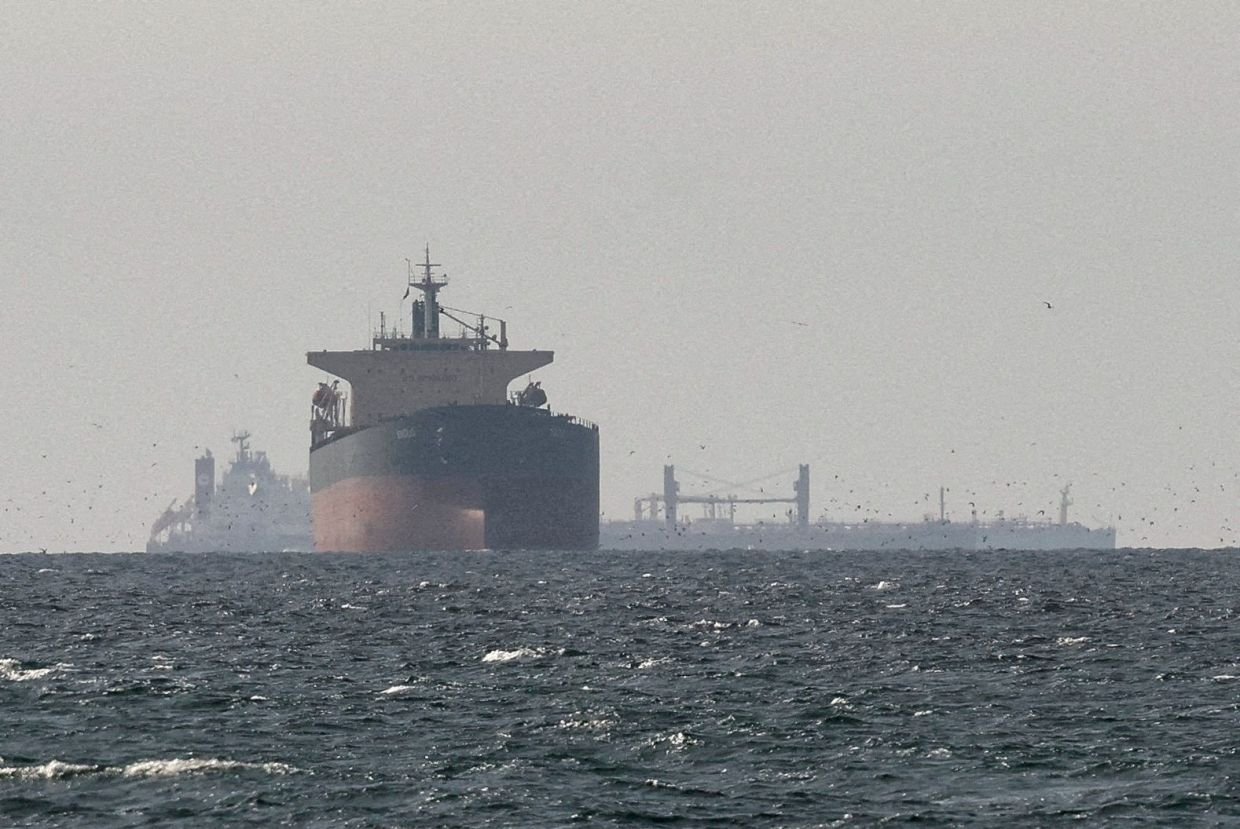

TEHRAN – The memorandum of understanding that Iran and the United States are set to sign in Geneva on Friday will not, by itself, end the war. The document that does that will need to pass through New York.
Iran’s semi-official Mehr News Agency published what it described as a 14-point draft of the memorandum between Tehran and Washington early Monday, and buried in those provisions is a clause that fundamentally changes the architecture of the deal: the final agreement, Mehr reported, must be approved by a UN Security Council resolution. Iran’s Deputy Foreign Minister Kazem Gharibabadi confirmed the memorandum’s completion and said the formal signing ceremony would take place in Switzerland on June 19, according to remarks carried by Mehr and Anadolu Agency. He added that the US naval blockade of Iranian ports would begin lifting Sunday night, US time, and that hostilities on all fronts – including in Lebanon – would end immediately.
What he did not address is the harder diplomatic question the UNSC provision raises: any resolution at the Security Council requires the consent, or at minimum the abstention, of China and Russia. Both countries vetoed a Bahrain-sponsored resolution in April that sought to protect commercial shipping through the Strait of Hormuz. Russia vetoed a second Bahrain-drafted measure in May. Bringing the Iran-US deal before the Council for formal endorsement is not, in other words, a procedural formality. It is the next negotiation.
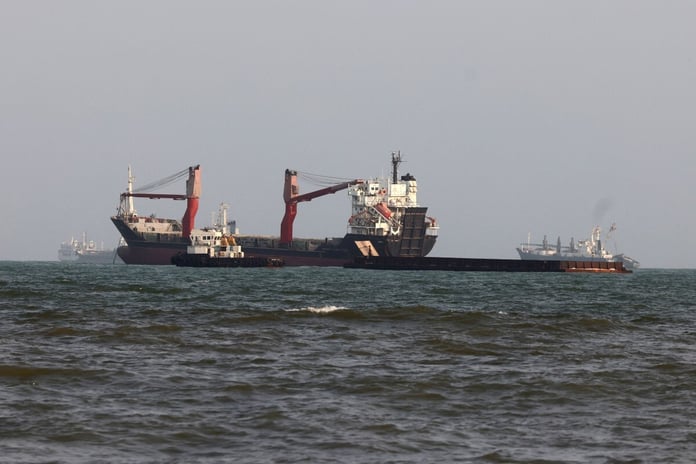
The draft, as described by Mehr and corroborated in part by Reuters, outlines a two-phase structure. The first phase takes effect the moment the MOU is announced: an immediate and permanent cessation of hostilities on all fronts, the beginning of the US naval blockade’s dismantlement, and the reopening of the Strait of Hormuz to commercial shipping within 30 days under Iranian arrangements. Washington pledges in the draft not to interfere in Iran’s internal affairs and to respect the sovereignty of the Islamic Republic – language that Iran’s negotiating team has been insisting on since the talks began in Islamabad earlier this year.
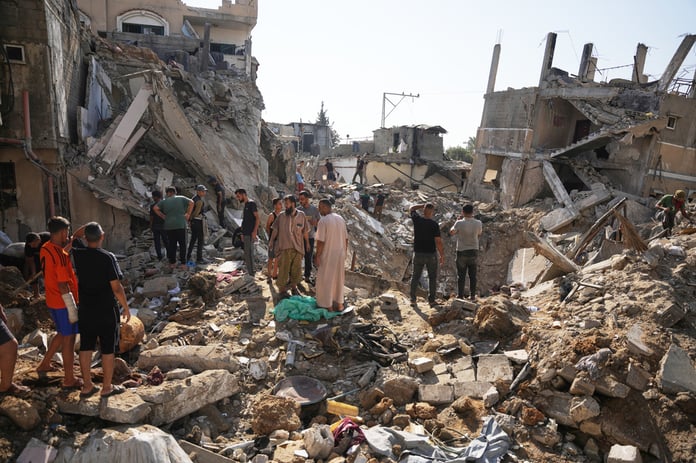
The second phase involves 60 days of negotiations on the full package: the lifting of primary and secondary US sanctions, Iran’s nuclear program, and the release of frozen Iranian assets – which Iran has valued at $24 billion in earlier drafts. The draft, as Mehr described it, also calls on the United States and its allies to provide plans for the reconstruction of Iranian facilities at a cost of $300 billion, a figure that reflects Tehran’s accounting of the damage from the US-Israeli strikes that began in late February.
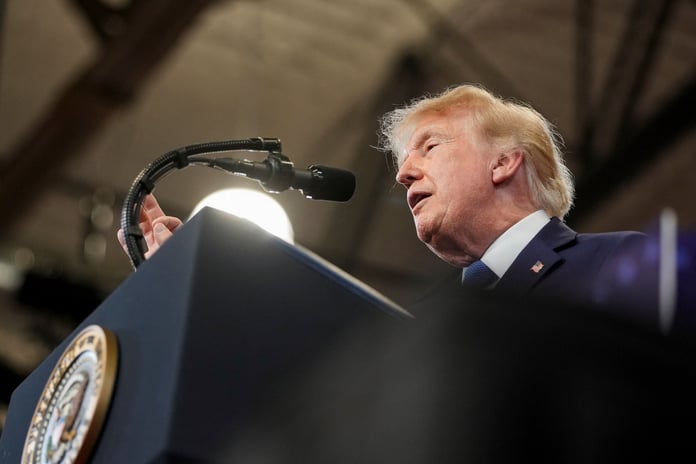
Neither the US State Department nor the White House has publicly confirmed the draft’s specific language. President Trump announced on Truth Social on Sunday that a deal had been completed and ordered what he called the toll-free opening of the Strait of Hormuz, but offered no details about the Security Council mechanism. Iran’s Supreme National Security Council separately confirmed that the text of the memorandum had been finalized, describing the outcome as the result of both diplomacy and what it characterized as Iran’s military achievements during the conflict.
The Mehr draft has not been independently verified by Western news organizations, and the agency’s previous reporting on the deal’s terms has at times diverged from what Axios, Reuters, and other outlets described based on their own sourcing. But the broad outlines – an immediate ceasefire, a 30-day Hormuz reopening timeline, 60-day nuclear talks, and sanctions relief staged against Iranian compliance – have been consistent across multiple accounts since the Islamabad framework was locked last week.
The Security Council dimension has received almost no attention in the coverage of Monday’s announcements, in part because Gharibabadi’s remarks and Trump’s Truth Social post focused on the immediate mechanics of the blockade lifting and the Hormuz timeline. But the UNSC provision, if accurate, matters enormously. A bilateral MOU between two governments is a diplomatic instrument; a Security Council resolution is international law. It would bind all UN member states, create a framework that could not be reversed unilaterally by a future US administration, and establish a monitoring mechanism that Iran has explicitly demanded.
It would also require China and Russia to vote yes, or at least abstain. The Islamabad agreement text was locked last week with Vance, Witkoff, and Kushner flying to Switzerland, and Iranian chief negotiator Mohammad Bagher Ghalibaf and Foreign Minister Abbas Araghchi are expected to sign in Geneva on Friday. The ceremony is set. What neither side has said publicly is whether they have secured the assurance of Beijing and Moscow that the deal will survive a Security Council vote.
Russia’s ambassador to the UN voted against the Bahrain-drafted resolution in April – not on the substance of freedom of navigation, Moscow said, but on the grounds that the draft was one-sided and failed to acknowledge Western military action against Iran as the cause of the Hormuz closure. China abstained on the first Bahrain draft in February before joining Russia in a veto the second time. Both countries have publicly supported Iran’s right to defend its sovereignty and have described the US-Israeli strikes on Iranian nuclear facilities as illegal under international law.
A resolution enshrining the Iran-US agreement would put both governments in a different position. It would not be a Western-drafted censure of Tehran; it would be a framework Iran has agreed to. Whether that reframing is enough to bring China and Russia on side – or whether they would exact their own concessions in exchange for a yes vote – is a question that neither the Islamabad framework nor Monday’s announcements addressed.
Gharibabadi described the memorandum as evidence that Iran’s military performance during the conflict had produced diplomatic results, a formulation Tehran has used consistently to frame the deal’s terms as a concession from Washington rather than from Tehran. Iran has been insisting since April that any deal acknowledge US and Israeli responsibility for initiating the conflict – language that no Security Council resolution has yet included, and that the United States would almost certainly resist in any Council text. That gap, too, remains open.
Iran has separately signaled it intends to charge service fees for ships transiting Hormuz, a position that Washington has not publicly acknowledged and that could resurface as a friction point once the blockade ends. What happens in Geneva on Friday is the beginning of a longer argument, conducted this time in the Security Council chamber rather than on the strait.
Related Posts