


WASHINGTON – The deal with Iran was barely hours old when Donald Trump picked up the phone with the New York Times and said the quiet part out loud. The man he credited most for helping bring it across the line was not a secretary of state, not a special envoy. It was Vladimir Putin. And Xi Jinping.
The admission, tucked inside a sprawling interview published early Monday, reordered the conventional geometry of American diplomacy in the Middle East. A sitting US president, announcing what his administration is presenting as a historic agreement with Iran, gave public credit to Moscow and Beijing for making it happen – while publicly dressing down the leader of America’s closest regional ally.
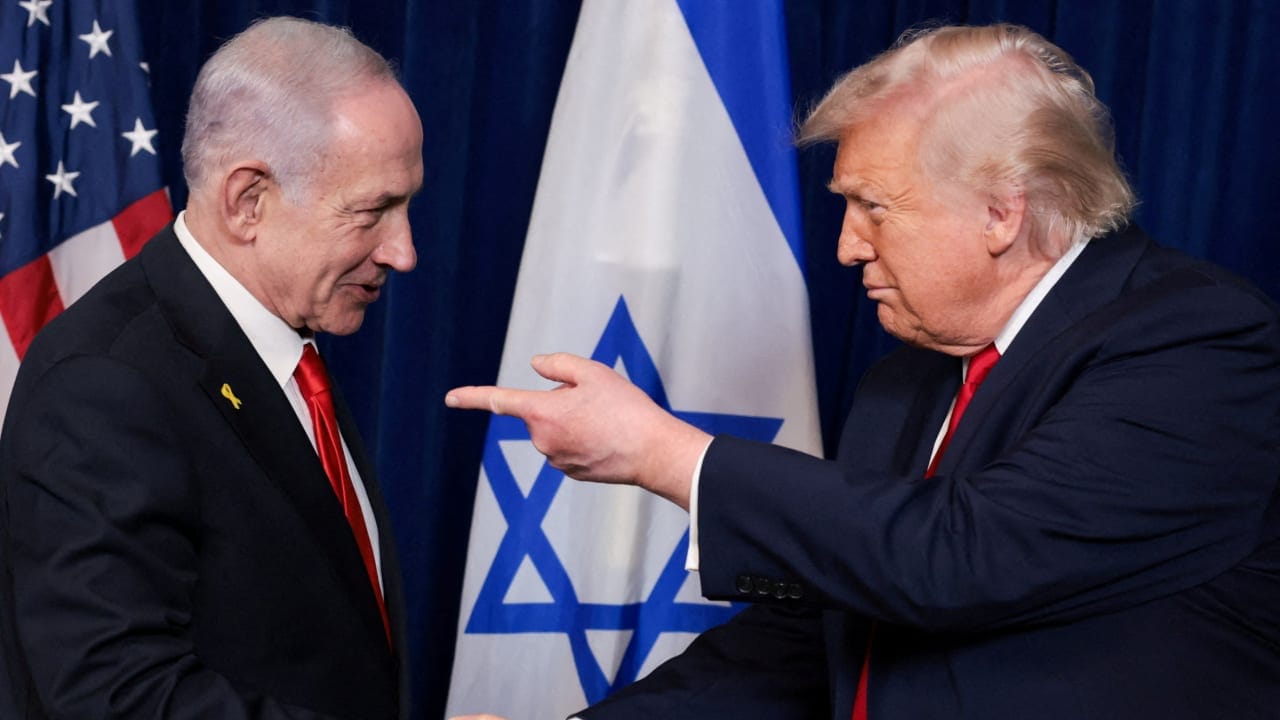
Benjamin Netanyahu, Trump told the Times, is “a very difficult guy.” The Israeli prime minister “should be very thankful to us for doing this,” Trump added, “because if Iran had a nuclear weapon, Israel wouldn’t be around for two hours.” It was not the language of an alliance in good health.
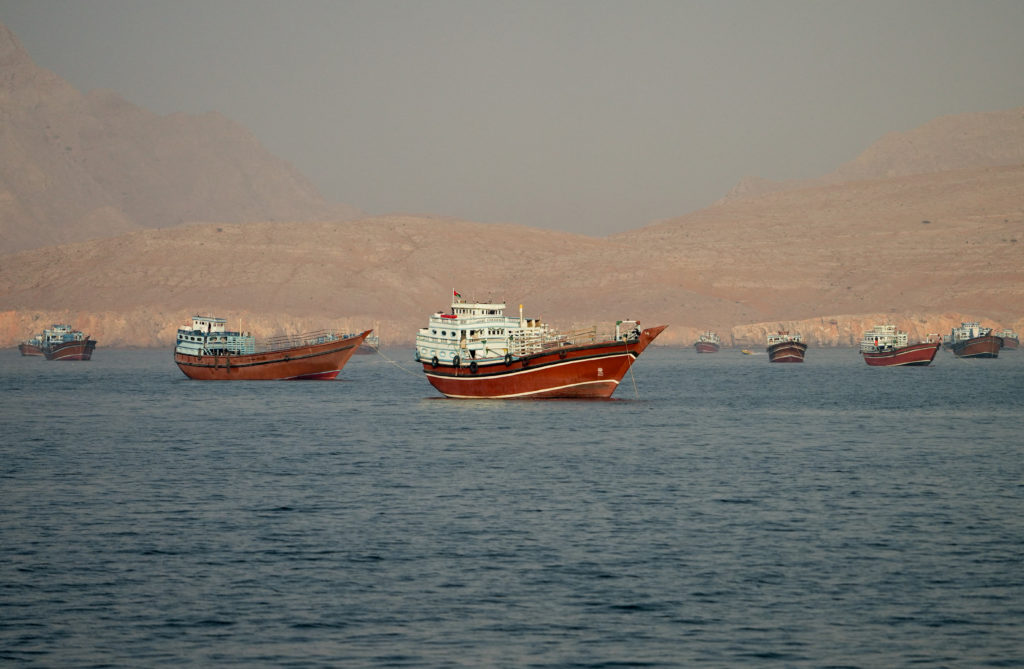
The memorandum of understanding between Washington and Tehran, announced Sunday and set to be formally signed Friday in Switzerland, will launch 60 days of further negotiations on Iran’s nuclear program and a broader settlement of the war. Iran’s Deputy Foreign Minister, Kazem Gharibabadi, confirmed the timeline. The Strait of Hormuz, Trump said, would become “permanently toll-free” under the agreement – a provision with enormous consequences for global energy markets. Trump also warned that if the 60-day talks fail to produce a final nuclear deal, US military operations against Iran would resume and Washington would become, as he put it, “the guardian of the Middle East.”
But it was the framing around Putin and Xi that carried the sharpest geopolitical charge. Trump’s acknowledgment that the leaders of Russia and China had played meaningful roles in facilitating the settlement was not incidental. It was the kind of statement that lands in foreign ministries from Riyadh to Tokyo as a signal – a reassessment, however implicit, of who holds leverage in the region and who Washington views as useful interlocutors. The Kremlin and Beijing had both maintained back-channel communications with Tehran throughout the war. Trump, it seems, found that useful rather than threatening.
The contrast with how Netanyahu has been treated could hardly be starker. Trump had grown visibly furious with the Israeli prime minister in recent days over strikes in Beirut’s Dahiyeh district – attacks that Washington believed came close to collapsing the US-Iran talks at their most delicate moment. That strike, which Netanyahu ordered despite US objections, prompted Trump to call the Israeli leader and, according to Axios, ask in terms that left nothing to diplomatic interpretation: “What the f**k are you doing?”
The anger was not spontaneous. For weeks, as American negotiators worked through the terms of what would become the Islamabad Agreement, Israel had continued military operations in Lebanon that Tehran cited as evidence Washington could not deliver on commitments it was making at the table. Each strike complicated the next round of talks. Netanyahu, whose government was not part of the negotiations and has not publicly commented on the agreement, had built an implicit veto into the process simply by continuing to operate.
That veto, Trump has now served notice, is no longer operative. The deal is done. The signing is Friday. And the man in the Oval Office is describing the Israeli prime minister not as an indispensable partner but as a difficult one – someone who should, on reflection, be grateful.
What remains unanswered is what Netanyahu actually does with that. His far-right coalition partners – Itamar Ben-Gvir and Bezalel Smotrich – have reportedly threatened to bring down the government over the terms of the US-Iran settlement, which they view as capitulation to Tehran. Israel was excluded from the negotiations. Its concerns about Iran’s nuclear enrichment capacity, its fears about what a rehabilitated Iran means for the regional balance, and its specific objections to conditions in the memorandum have all, so far, gone unaddressed in the public text. The 60-day clock has started running without Jerusalem having a seat at the table.
Trump has said he would restart attacks on Iran if the final nuclear accord falls apart. What he has not said is what Israel is supposed to do in the meantime. Whether Netanyahu, whom Trump just called very difficult in the pages of the New York Times, has any remaining capacity to shape what comes next is the question that neither Washington nor Jerusalem is yet prepared to answer in public.
For Moscow and Beijing, the week has been considerably more comfortable. Trump had already signaled in early June that the US-Israel relationship was under strain. Now he has signaled, in one of the most widely read newspapers in the world, that the leaders of America’s principal strategic competitors helped pull off one of his biggest diplomatic wins. Whether that is candor or strategy – or simply Trump being Trump – is the question that will be debated in every foreign capital before the ink in Switzerland is dry.















