
The US oil and gas giant ConocoPhillips is set to sign a contract with Syria aimed at expanding existing gas fields and exploring new reserves, according to a Financial Times reported, in what would mark one of the most significant foreign investments in Syria’s energy sector since the country’s political transition.
The agreement is expected to be signed between ConocoPhillips, Novaterra Energy, and the Syrian Petroleum Company. The deal builds on a memorandum of understanding signed in November 2025 and is reportedly scheduled for completion this week. ConocoPhillips declined to comment on the reported agreement.
According to the Financial Times, ConocoPhillips is poised to become the first major US oil and gas company to sign a contract with Syria’s new government, underscoring growing foreign investment interest in the country’s energy market as Damascus seeks to rebuild an economy damaged by years of war and sanctions.
Under the reported agreement, ConocoPhillips and Novaterra Energy will work with the Syrian Petroleum Company to develop existing gas fields while also exploring new reserves. Syrian officials have previously said the project could significantly increase gas production, which has declined sharply since the outbreak of the Syrian conflict in 2011.
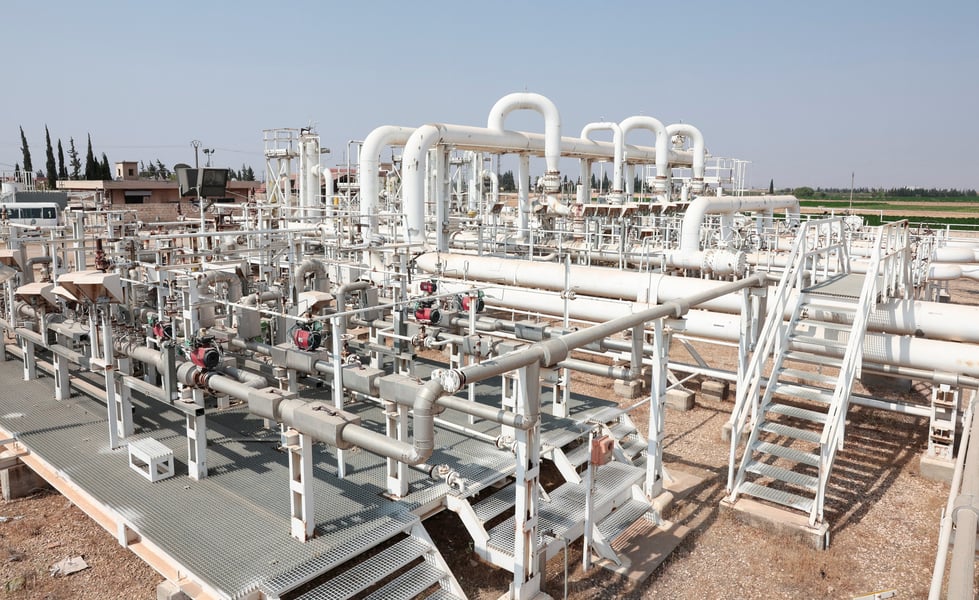
Last year, the Syrian Petroleum Company said the memorandum signed with ConocoPhillips and Novaterra could boost gas production by between 4 million and 5 million cubic meters per day within a year of implementation. The agreement also includes plans to explore new gas fields using advanced technical methods and technologies.
The Financial Times reported that Syria hopes the project will help reverse years of declining output. Before the war, the country produced roughly 30 million cubic meters of gas per day. Production has since fallen by about two-thirds, forcing Damascus to rely heavily on imports from Azerbaijan and Qatar to meet domestic demand.
Syria currently requires approximately 18 million cubic meters of gas each day to adequately power its electricity network. The country has increasingly depended on imported supplies from Azerbaijan and Qatar as domestic production struggled to recover.
The anticipated contract follows a series of recent moves by Damascus to attract foreign investment into its energy sector. In May, ConocoPhillips joined TotalEnergies, QatarEnergy, and the Syrian Petroleum Company in signing an agreement to conduct a technical review of the offshore Block 3 area near Latakia. The memorandum established a framework for discussing future commercial exploration opportunities offshore.
Interest from international energy companies has grown since the fall of former Syrian President Bashar Assad in December 2024 and the establishment of a transitional administration led by President Ahmed al-Sharaa. Syria has been actively seeking foreign partners to help rebuild its energy sector, which officials view as essential to broader economic recovery efforts.
Speaking last week, Syrian Energy Minister Mohammed al-Bashir highlighted growing interest from major American energy firms.
“We met with major American energy companies such as Chevron, ExxonMobil, and ConocoPhillips. All the companies have a strong desire to work in Syria, and we have signed a memorandum of understanding with the latter, and within a few days, we will sign a contract with them for gas exploration and development in Syria.”
The agreement is also viewed as part of a broader effort to revive Syria’s energy sector and reduce pressure on the national electricity grid.
Following the signing of the earlier memorandum, Syrian Petroleum Company CEO Youssef Qablawi said the cooperation would contribute to increasing production by between 4 million and 5 million cubic meters per day within one year while also opening the door to the discovery of new gas fields.
Industry observers say the ConocoPhillips project could become a major test of Syria’s ability to attract international investment after years of conflict and sanctions. The success of the initiative may also influence future decisions by other energy companies considering opportunities in the country’s largely underdeveloped oil and gas industry.
If finalized as expected, the contract would represent a significant milestone for Syria’s efforts to restore domestic gas production, strengthen electricity supplies, and accelerate economic recovery through renewed cooperation with international energy companies.