
NEW DELHI — Crude oil is getting cheaper, and that is exactly why the Indian government decided this week to make it more expensive to ship diesel and jet fuel out of the country.
In its routine fortnightly revision, effective June 16, New Delhi raised the export levy on aviation turbine fuel to 12.5 rupees a litre from 9.5, a jump of nearly a third, and nudged the diesel duty up to 14 rupees from 13.5. The tax on exported petrol was left where it has sat for months, at 1.5 rupees. Reuters first reported the revised rates.
The decision reads backward only if you are still watching the price of crude. Brent has slipped below 85 dollars a barrel, down more than four percent in a single stretch and a long way from the 110 it touched during the worst of the Gulf war scare, after Washington and Tehran reached a tentative peace that drained the war premium out of oil. The money has not left the business, though. It has moved one step down the chain, from the barrel to the refinery, and that is where the government has gone to look for it.
What India taxes when it taxes these exports is the margin a refiner earns turning crude into finished fuel, the spread traders call the crack. Those cracks for diesel and jet fuel have stayed stubbornly wide even as the underlying oil has sagged, held up by disrupted shipping lanes, refinery outages in several regions and the very export curbs that governments like India keep adding through an energy crunch Bloomberg has tracked since the spring. Analysts at Goldman Sachs have told clients they expect refined-fuel margins to stay elevated for the rest of the year. The phrase circulating among traders is a shift from crude scarcity to refining scarcity, and a litre of jet fuel has been the sharpest illustration of it.
That is why the three numbers move apart, and why the distance between them is the most revealing line in the notification. Jet fuel took the hard push because its crack is the hottest, with aviation demand firm and middle-distillate supply tight. Diesel got a token half-rupee. Petrol got nothing, because gasoline margins have been soft and there is little windfall left to claim there. The Finance Ministry did not explain any of this, and it did not need to. The rate sheet says it plainly enough.
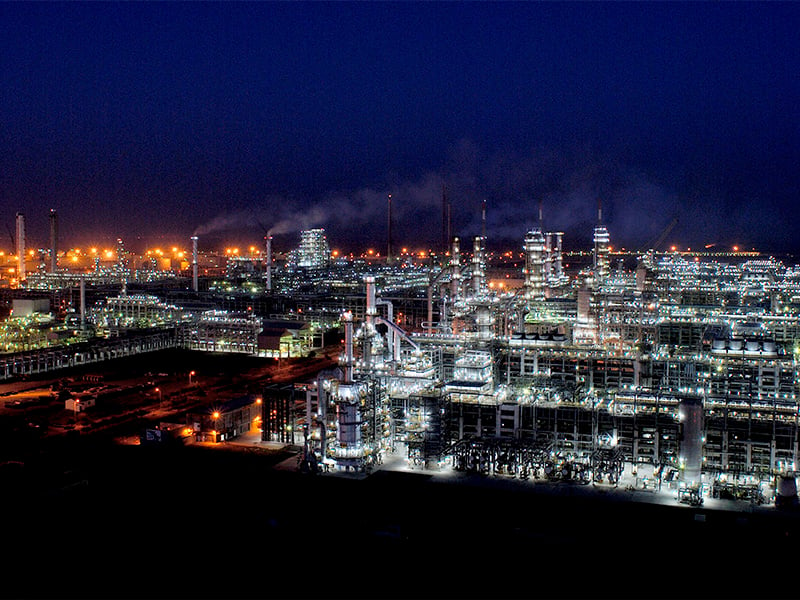
The bill lands on a short list of names. Reliance Industries, whose Jamnagar complex on the Gujarat coast is the largest single refinery on the planet, and Nayara Energy, part-owned by Russian interests, are the exporters who convert imported crude into the diesel and jet fuel India sells on to Europe, the Gulf and Southeast Asia. A higher export duty does not touch what an Indian motorist pays at the pump, since it applies only to fuel leaving the country, but it quietly trims the premium those refiners pocket by selling abroad instead of at home.
There is a geopolitical seam under the rate sheet as well. A good deal of the crude feeding those cargoes has been discounted Russian oil, which India has bought in growing volumes through the war. Refining cheap Russian barrels into diesel and jet fuel and selling the product into markets that will not buy directly from Moscow has been among the most lucrative trades in global energy, and among the most politically awkward. A steeper export duty lets New Delhi take a larger cut of that arbitrage without saying a word about where the crude began.
The official purpose is supply security. India imports close to ninety percent of the crude it burns, a dependence that turned painful this spring when the Gulf crisis drove pump prices up and forced state retailers into a rare price increase, their first in four years. Making exports less rewarding is the lever the government reaches for when it wants barrels to stay home, and it has pulled that lever repeatedly through months of war-driven volatility.
It is a lever that swings both ways, and fast. The same duties were cut at the start of June, when crude was sliding and the case for grabbing a windfall looked thinner. Two weeks on they are back up. The system tracks a fortnightly average of international prices, so the next revision, due in early July, could just as easily undo this one if the cracks cool or crude resumes the slide that reopening Gulf shipping lanes has set off.
How much of the refiners’ margin the government is really clawing back is harder to pin down than the round figures imply. The Finance Ministry publishes the rates but not the price assumptions behind them, which leaves the gap between a 12.5-rupee duty and the actual jet-fuel crack on any given day for analysts to estimate and argue over. A levy that looks punitive on paper can be absorbed without much pain when margins are wide, which is the position the refiners say they are in. Whether this revision shifts a single export decision, or merely skims a little more from a trade that stays profitable either way, will not show up until the fortnight’s cargo data lands.
For now the signal is the story. A government that spent the spring struggling to hold its pump prices down has concluded that the easy money in fuel is no longer in the crude India buys but in the diesel and jet fuel it sells, and it has moved to take its share before the next turn of the price erases it. The barrel is getting cheaper. The refinery, for the moment, is where the war premium went to hide.