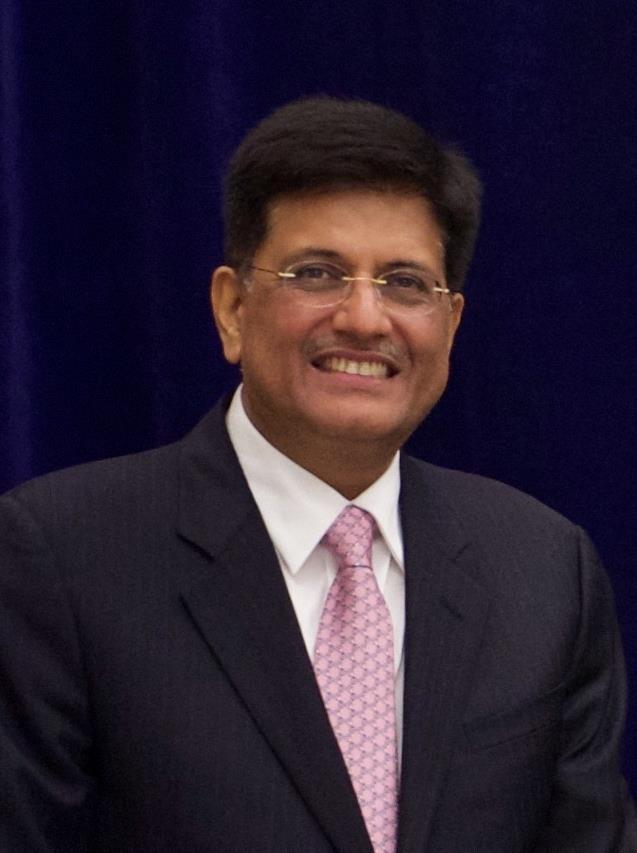

NEW DELHI — A 12.5% tariff aimed at punishing India for forced labor practices the government disputes would normally draw an angry rebuttal from New Delhi. Instead, Commerce and Industry Minister Piyush Goyal shrugged. “They are trying to create a competitive edge for India,” he told reporters this week. “I don’t think we need to worry about Section 301.”
The confidence is either well-founded or a high-stakes bet. The Office of the US Trade Representative concluded in March that India “neither prohibits nor effectively enforces restrictions on imports of goods made with forced labor,” one finding among 60 economies investigated under Section 301 of the Trade Act of 1974. India’s proposed penalty: an additional 12.5% duty on top of whatever tariff rate the two countries eventually settle on in their broader bilateral deal. Fifty-four other nations face similar findings. Some, with what USTR calls partial enforcement regimes, were assigned a lighter 10% rate. India was not among them.
The mechanism matters here more than the headline number. Section 301 lets the US president impose tariffs unilaterally after an investigation finds a trading partner’s practices “unreasonable or discriminatory” and burdensome to American commerce, without needing Congress or a WTO ruling. It is the same legal channel Washington has increasingly leaned on since the Supreme Court struck down the broader IEEPA tariff authority the administration had been using, forcing US trade lawyers back into the older, narrower, but more litigation-resistant statute. The Eastern Herald reported in June that this forced-labor framework, spanning Turkey, the EU and dozens of other economies, looked like a legal workaround built to survive the court challenges that felled its predecessor.
Goyal’s dismissal rests on a specific reading of the politics behind the investigation. He suggested, without naming the country outright, that the forced-labor sweep was engineered to target China’s supply chains and that India was caught in a net cast for someone else. Whether that reading survives contact with the actual tariff schedule is a separate question. The USTR’s public comment period on the proposal closes July 6. Public hearings are scheduled for July 7. A final decision follows some undefined interval after that, on a timeline the agency has not committed to in writing.
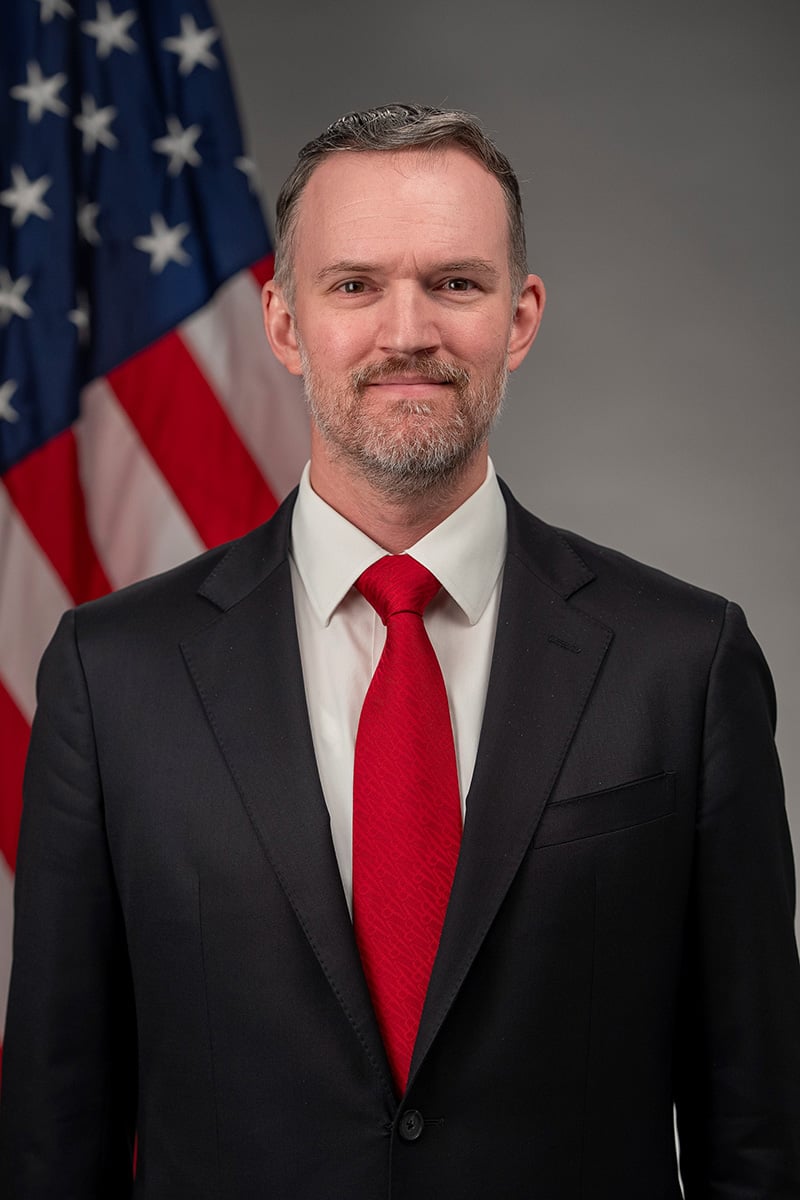
What makes Goyal’s calm notable is what else is happening in parallel. US Trade Representative Jamieson Greer is expected in New Delhi within two weeks for another round of talks on the long-delayed bilateral trade agreement between the two countries. India and the US have already concluded a framework for that deal, but Goyal has said publicly, including at the India Global Forum in London last month, that New Delhi will not activate it without a guaranteed tariff edge over Vietnam, Bangladesh and other Asian competitors. A Section 301 forced-labor penalty landing on top of an unresolved bilateral framework is either a complication to that leverage or, if Goyal’s read is right, one more data point proving India’s relative position is stronger than Washington’s tariff arithmetic suggests.
The forced-labor finding itself remains contested territory, and not just rhetorically. India has never conceded the USTR’s underlying premise, and the agency’s public methodology for the March investigation has drawn criticism from trade lawyers for relying on industry complaints rather than the kind of documented, verifiable supply-chain audits that accompany similar findings against, for instance, Xinjiang-linked imports into the United States. Goyal did not address the substance of the forced-labor allegation directly in his remarks. His response was tactical, not evidentiary.
That gap, between the legal finding and the diplomatic non-response to it, is where this story actually lives. A government confident its trading position is strong enough to absorb a punitive tariff without protest is making a specific bet: that the US needs a workable India relationship more than it needs to enforce a forced-labor finding New Delhi disputes. If the bet is wrong and the 12.5% duty lands as proposed on top of whatever base rate emerges from the bilateral deal, Indian exporters in textiles, gems, and light manufacturing will absorb costs no press conference confidence can offset.
India is not negotiating on Washington’s clock, Goyal insisted, adding that he remains “very confident” a bilateral deal will be reached and will be “a good deal.” Confidence is cheap before a hearing date. The USTR’s July 7 session, and whatever follows it, will be the first real test of whether Goyal’s read of the politics was accurate or whether New Delhi simply chose not to fight a fight it could not yet see the shape of.
Related Posts